Topic
ARCHITECTURE
Software architecture for AI-native apps - orchestration layers, context engineering, and persistent harnesses.
7 resources - 7 posts
Blog Posts
View in blog →
The Log Is the Agent: Event Sourcing Comes to AI Systems
A new paper proposes inverting traditional agent architecture - making the append-only event log the source of truth, not an afterthought. HN debates whether this is novel or just CQRS with extra steps.
7 min read

There Are No Instances in ATProto - Dan Abramov Explains the Architecture
Dan Abramov's explainer on ATProto architecture is making the rounds. The core insight: Bluesky's protocol separates hosting from applications in a way that Mastodon-style federation fundamentally cannot. Here's what that means for developers.
7 min read

Agent Architecture: Building Multi-Step AI Workflows That Survive Production
A practical architecture for multi-step Claude agents. Loop patterns, state management, error recovery, and the production gotchas that turn a five-step demo into a 20 percent success rate at scale.
11 min read

The Agent Reliability Cliff: Why Your 10-Step Chain Only Succeeds 20% of the Time
The math of agent pipelines is brutal. 85% reliability per step compounds to about 20% at 10 steps. Here is why long chains collapse in production, and the six patterns the field has converged on to fight the decay.
9 min read
Intent Debt: The AI-Era Debt Nobody Is Tracking
Martin Fowler reframes AI-era debt into three layers - technical, cognitive, and intent. The third one is the one most teams are silently accumulating. Here is what it is and how to diagnose it.
8 min read
7 AI Agent Orchestration Patterns Every Developer Should Know
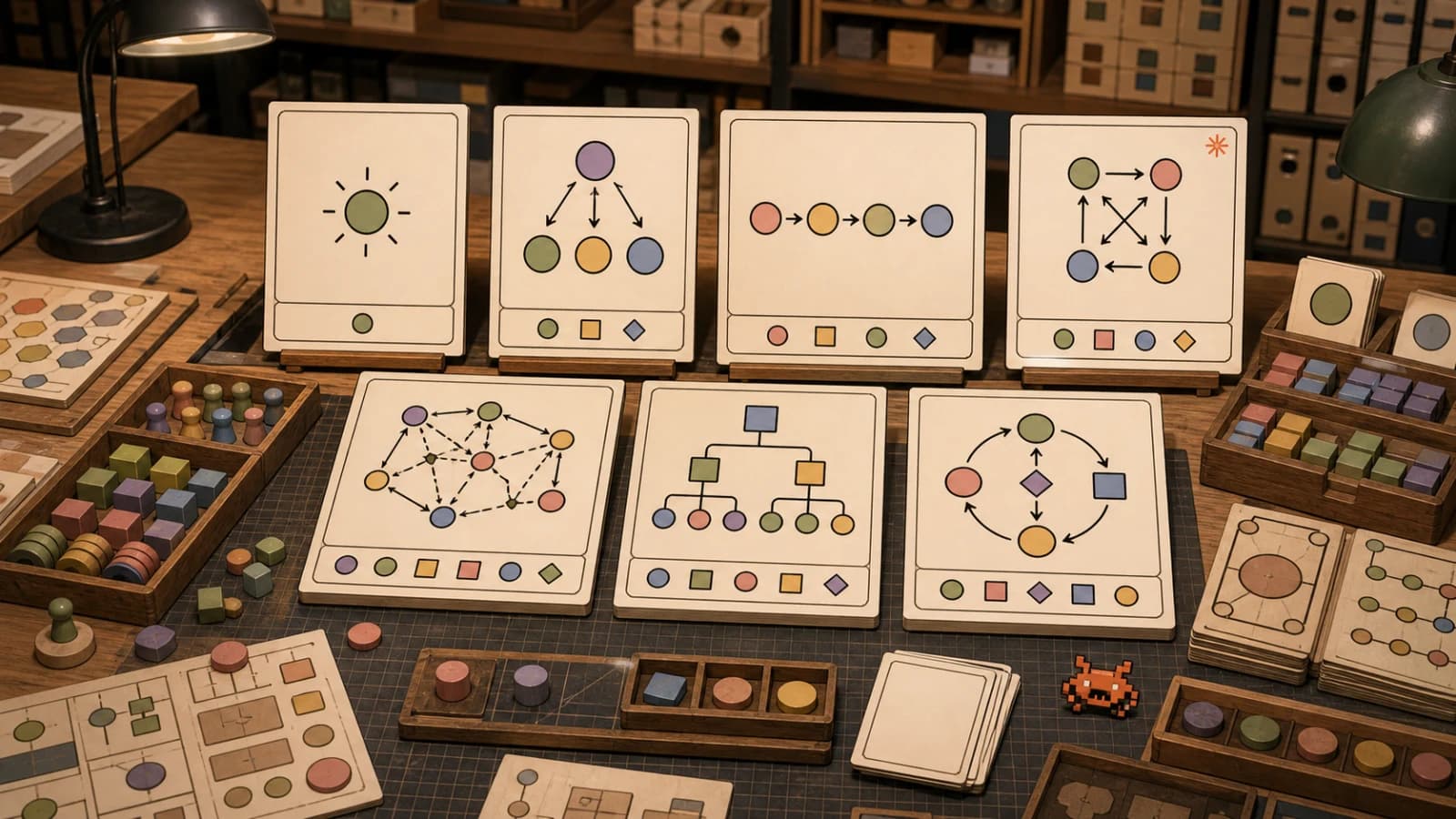
From single-agent baselines to multi-level hierarchies, these are the seven patterns for wiring AI agents together in production. Each with a decision rule, an implementation sketch, and the tradeoffs that actually matter.
10 min read

Progressive Disclosure: How Claude Code Cut Token Usage by 98%
CloudFlare, Anthropic, and Cursor independently discovered the same pattern: don't load all tools upfront. Let agents discover what they need. The results are dramatic.
10 min read
Keep exploring
More on Architecture
- - Compare Tools - dive deeper across the Developers Digest knowledge base
- - All Architecture articles in the blog archive
- - Developers Digest on YouTube - video tutorials covering Architecture and more
Get Smarter About AI Dev
New tutorials, open-source projects, and deep dives on coding agents - delivered weekly.
One email per weekReal code, not theoryFree forever
Explore 688 topics
Browse All Topics