Agent workflow
01AI Coding Agents
Claude Code, Cursor, Codex, and the operating habits that make agentic coding useful in real repositories.
The Archive
Deep dives into AI agents, coding tools, and building with LLMs.
611 articles688 topics
Reading Paths
Start with the strongest evergreen pieces, then branch into the weekly notes, guides, and comparisons around the same problem.
Claude Code, Cursor, Codex, and the operating habits that make agentic coding useful in real repositories.
How to choose between orchestration frameworks, UI copilots, stateful agents, and production app patterns.
The practical layer for giving agents access to tools, files, services, and repeatable developer workflows.
Permissions, prompt injection, tool access, audit logs, and rollback patterns for agents that can touch real systems.
Model routing, AI SDKs, deploy platforms, and the infrastructure decisions behind reliable AI products.
How the site, app directory, public APIs, and content loops are built, wired, and improved in public.
Start Here
Series
Security researchers discovered a prompt injection vulnerability in GitHub's Agentic Workflows that allows attackers to extract private repository contents through public issues.
Deep dives on AI agents, coding tools, and building with LLMs - delivered weekly. No spam.
Free forever. Unsubscribe anytime.
An 82M parameter text-to-speech model that runs on CPU and produces high-quality speech across multiple languages - no cloud APIs or GPU required.

Astro 7.0 rewrites core components in Rust, upgrades to Vite 8 with Rolldown, and delivers significant performance gains for content-heavy sites.
Vercel acquires the open-source authentication framework that became the go-to Next.js auth solution. HN weighs in on open source sustainability and vendor lock-in concerns.
Martin Alderson's argument for why open-weights models like GLM 5.2 will compress frontier lab margins is sparking debate on HN. Here is what the thesis actually says, where HN agrees and disagrees, and why it matters for developers choosing models.
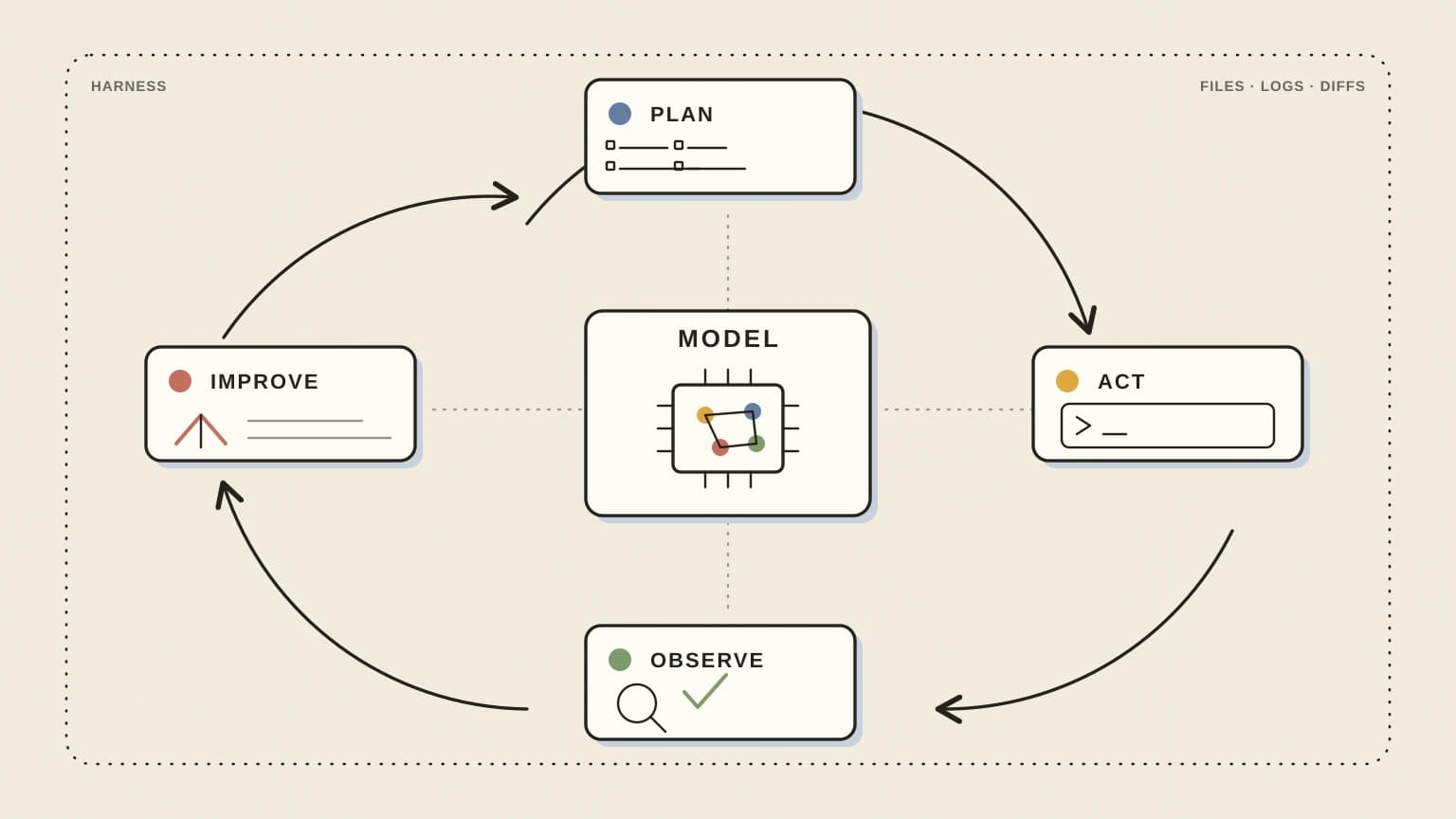
Lilian Weng argues self-improving AI won't start with models rewriting their weights - it starts with the harness. Here's what that means for developers building agents.

A CS student built 30papers.com to make Ilya's legendary ML reading list more accessible. HN has thoughts on the source, the format, and why compression equals intelligence.
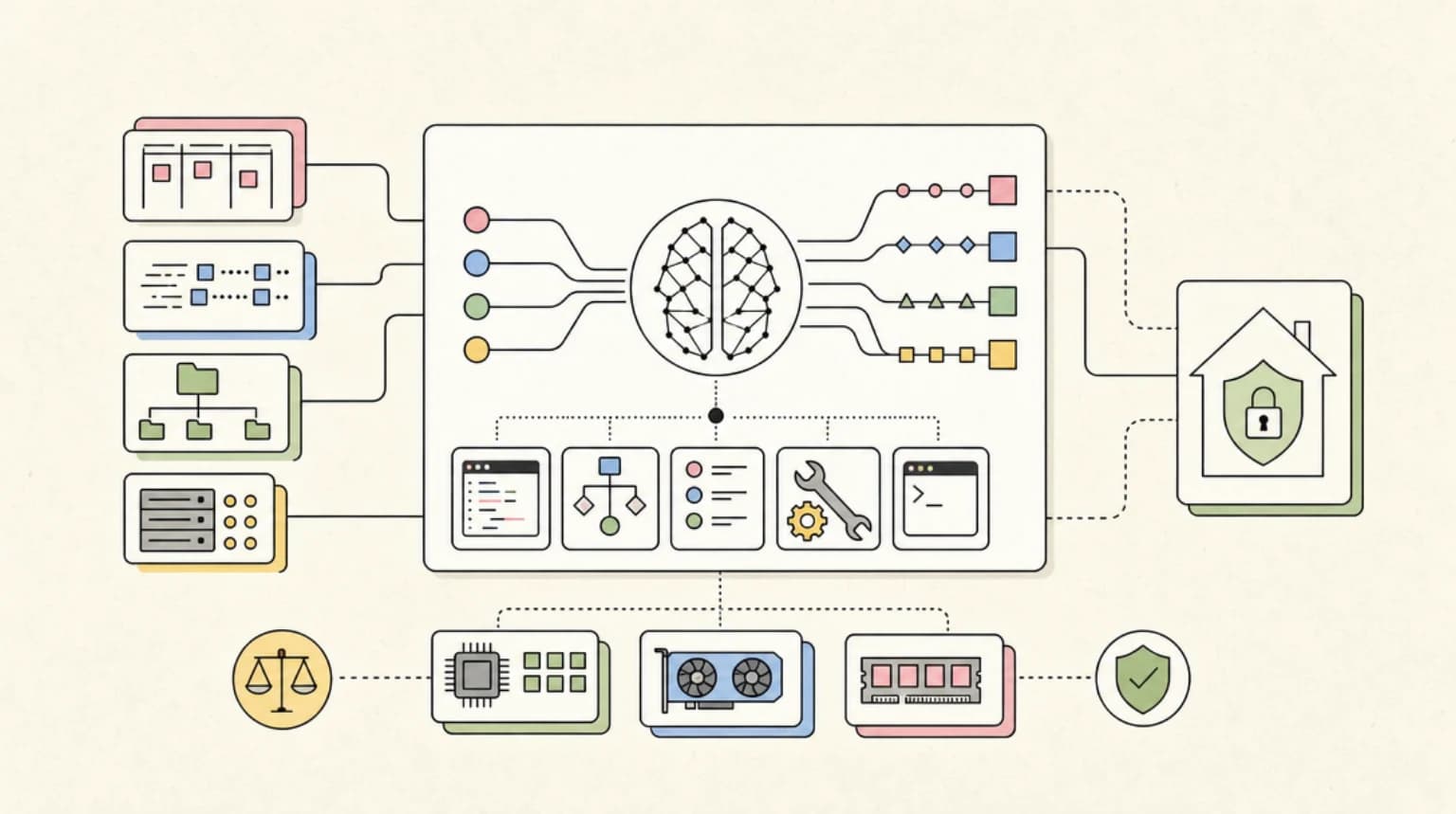
IEEE Spectrum reports on pharmaceutical AI running on handheld devices. HN debates emergency kits, domain-specific models, and whether AGI will emerge from scaling or specialization.
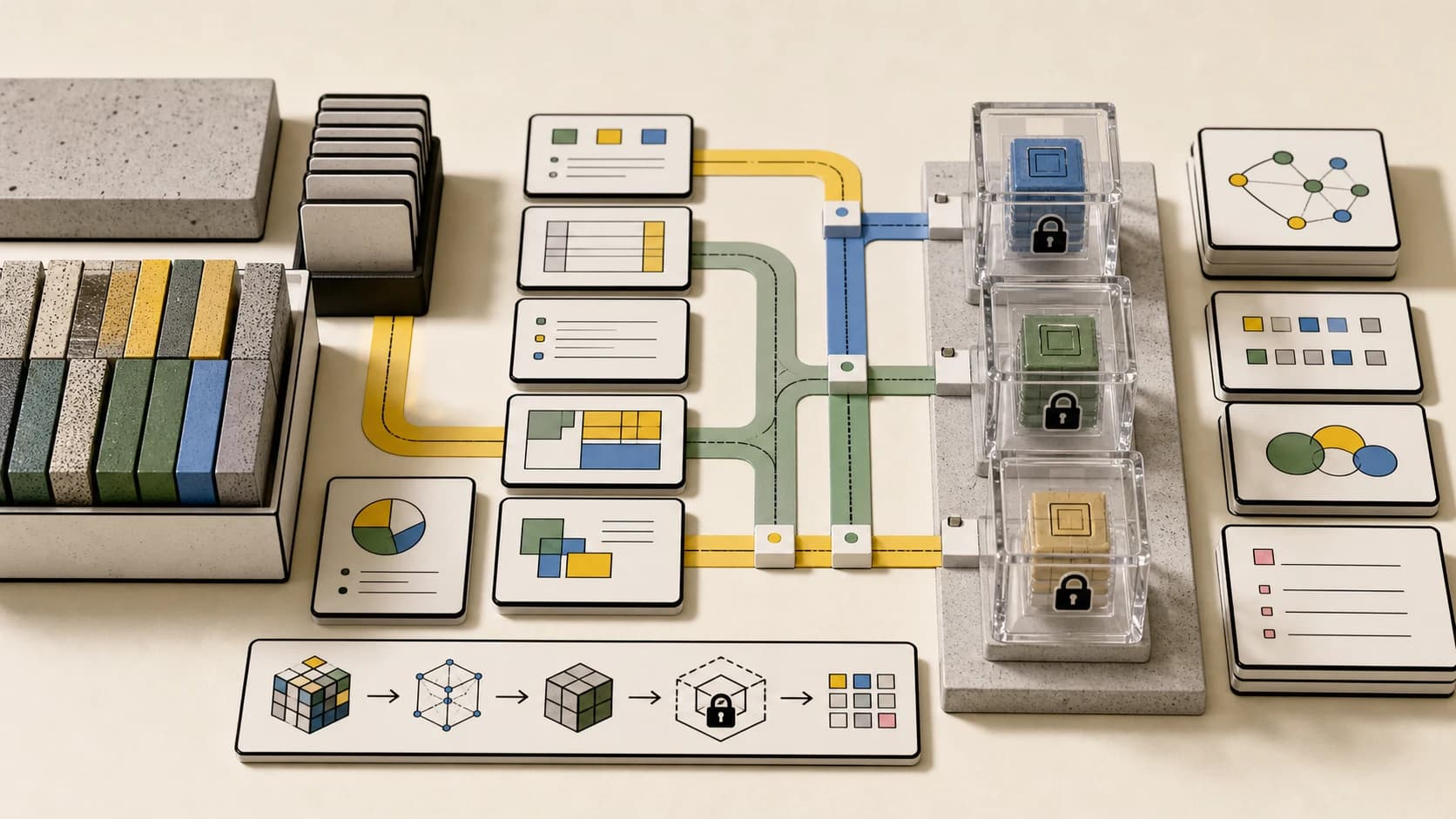
Ternlight ships a ternary-quantized sentence encoder at 7 MB that runs semantic search at 5ms per embedding - entirely client-side via WASM, no API calls required. Here is how it works, what HN thinks, and where browser-side embeddings make sense.
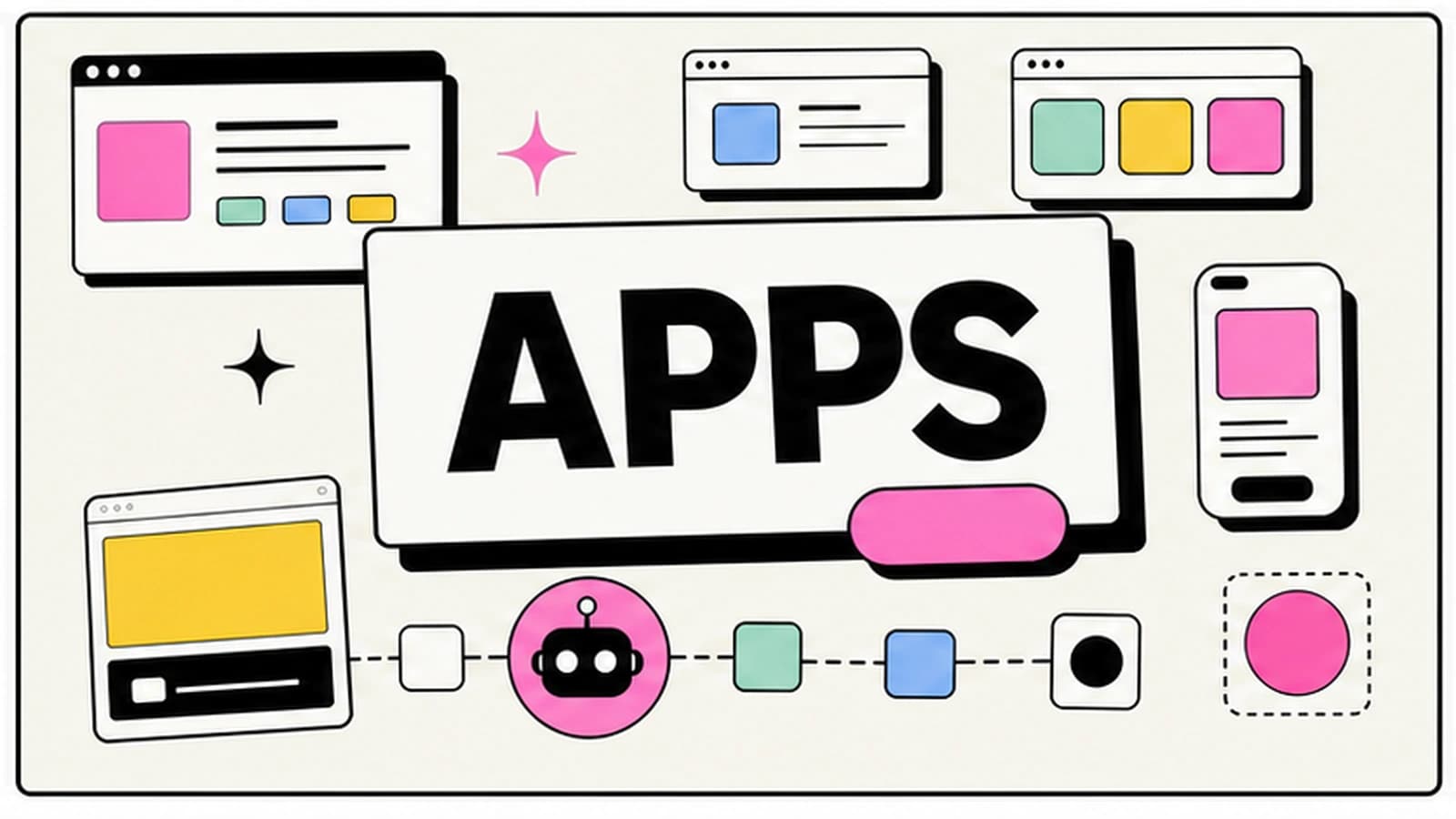
ZCode is Z.ai's free desktop agentic development environment built around GLM-5.2. Here is the developer setup, pricing breakdown, and how it compares to Claude Code and Cursor.

A new study from Dartmouth measures the impact of an AI tutoring platform on introductory statistics performance. Full engagement with the system correlated with significant exam score improvements, though selection bias remains a key limitation.
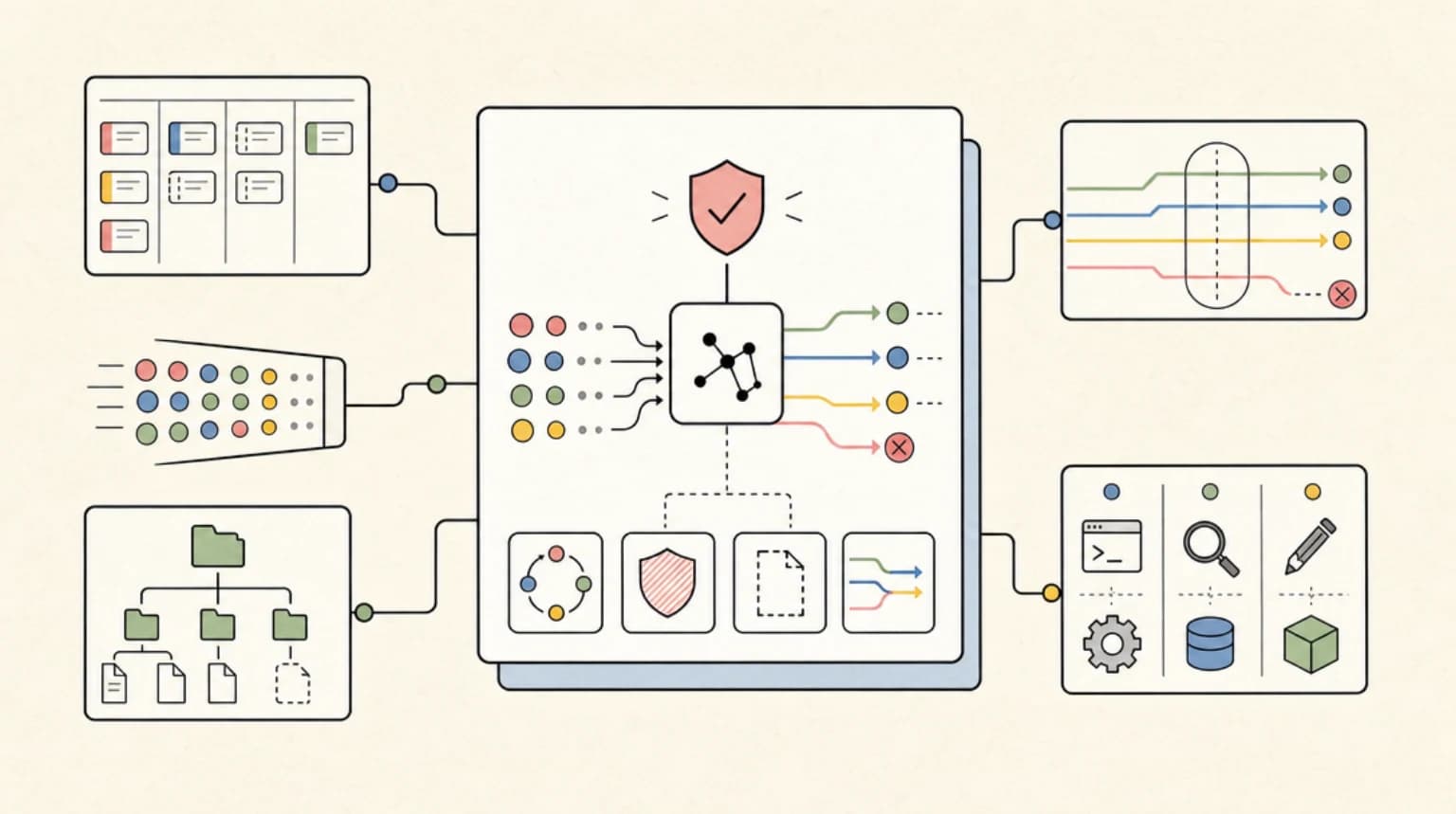
Anthropic's new research reveals LLMs have an internal 'workspace' for silent reasoning - and it could change how we build safer AI.

A controlled study of 660 Claude Code trials shows clean codebases reduce token usage by 7-8% and file revisitations by 34%, while pass rates stay the same. Traditional maintainability principles still matter in the age of AI coding.
Showing 12 of 610 articles
New tutorials, open-source projects, and deep dives on coding agents - delivered weekly.