
7 min read
Non-Developers Using AI Agents Need Platform Engineering
OpenAI's workplace agent data points to a practical shift: non-developers are starting to use agents for real work, so engineering teams need paved paths, policy, and receipts.
60 articles
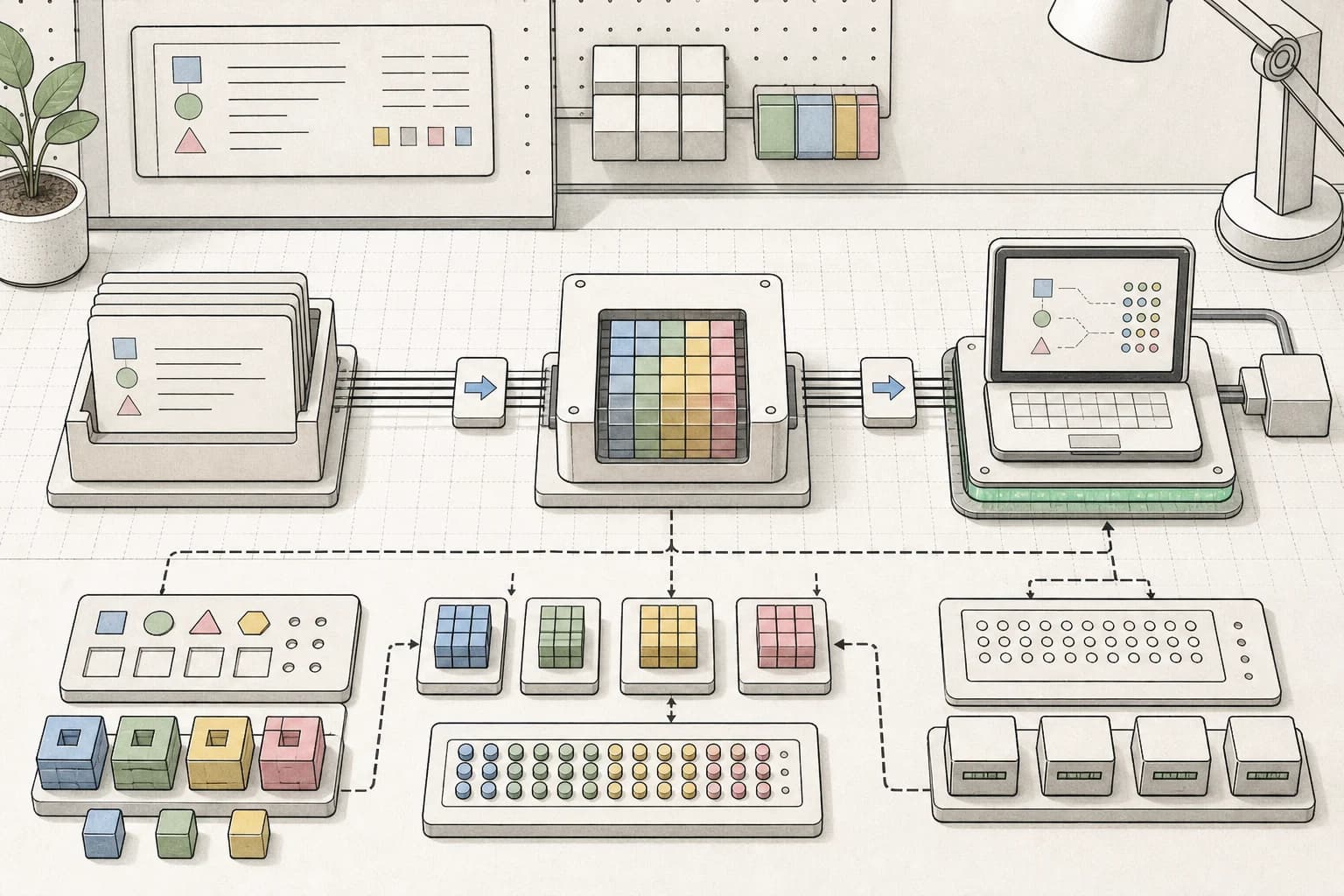
The Program-as-Weights paper is a useful signal for developers: some LLM calls may move from per-request API prompts into compact local artifacts that behave like reusable fuzzy functions.
OpenAI's workplace agent data points to a practical shift: non-developers are starting to use agents for real work, so engineering teams need paved paths, policy, and receipts.
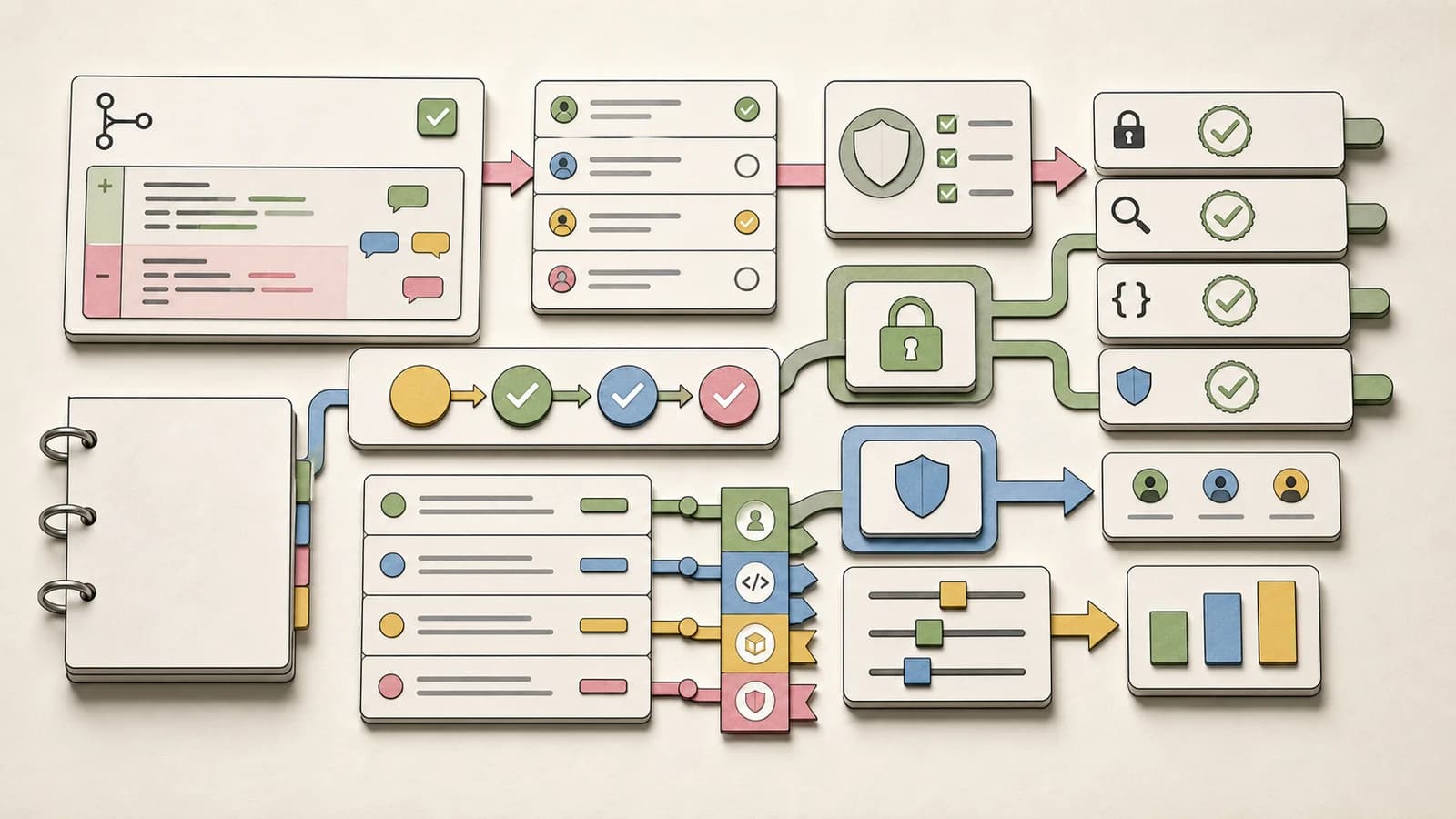
GitHub's June Copilot review updates point to a practical policy stack for agent-authored pull requests: validation, review depth, repo instructions, attribution, and release-note accountability.
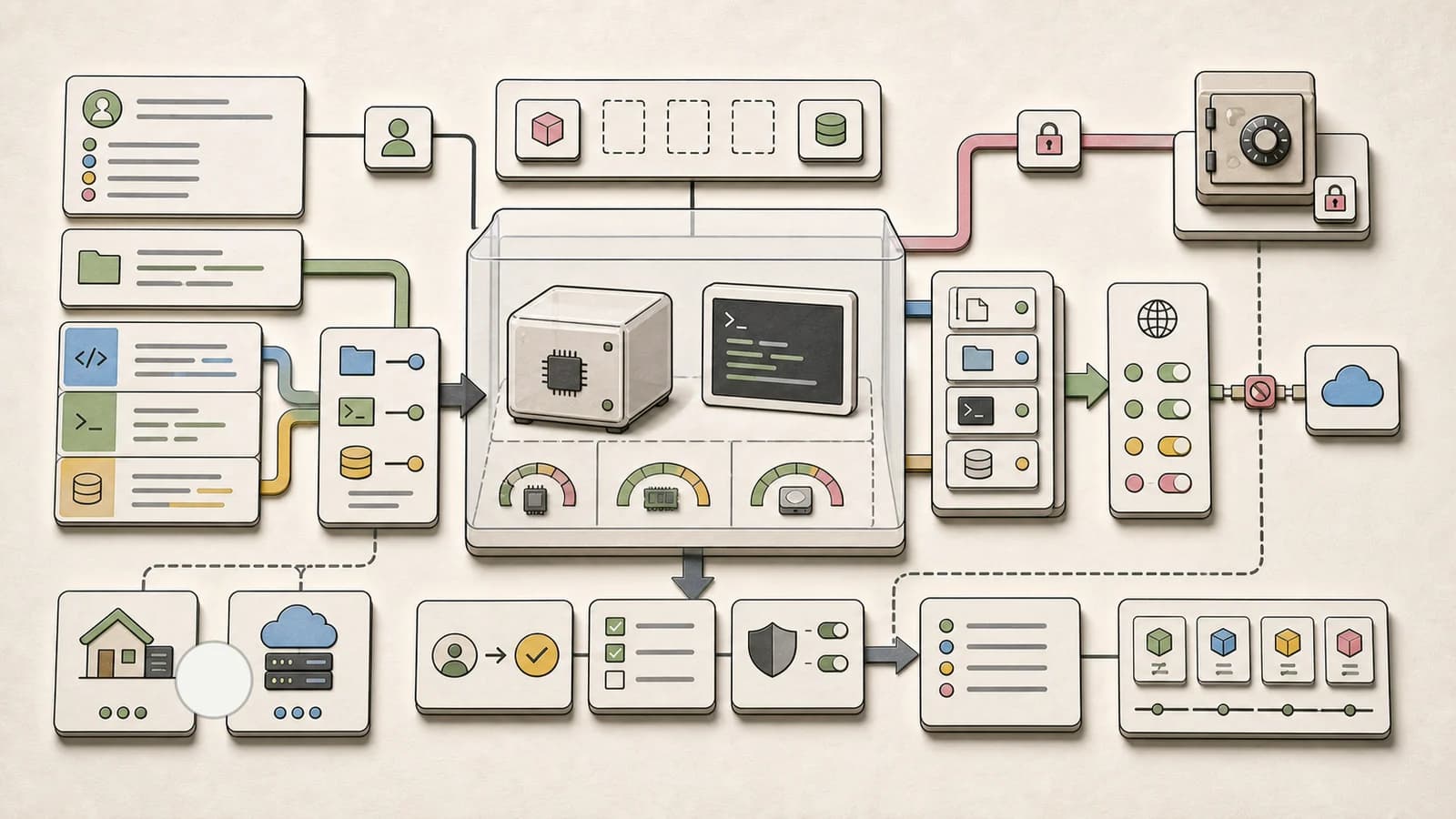
AI agents are getting their own computers. Here is how to choose a sandbox architecture: filesystem isolation, network policy, secrets boundaries, snapshots, and when shell access is overkill.
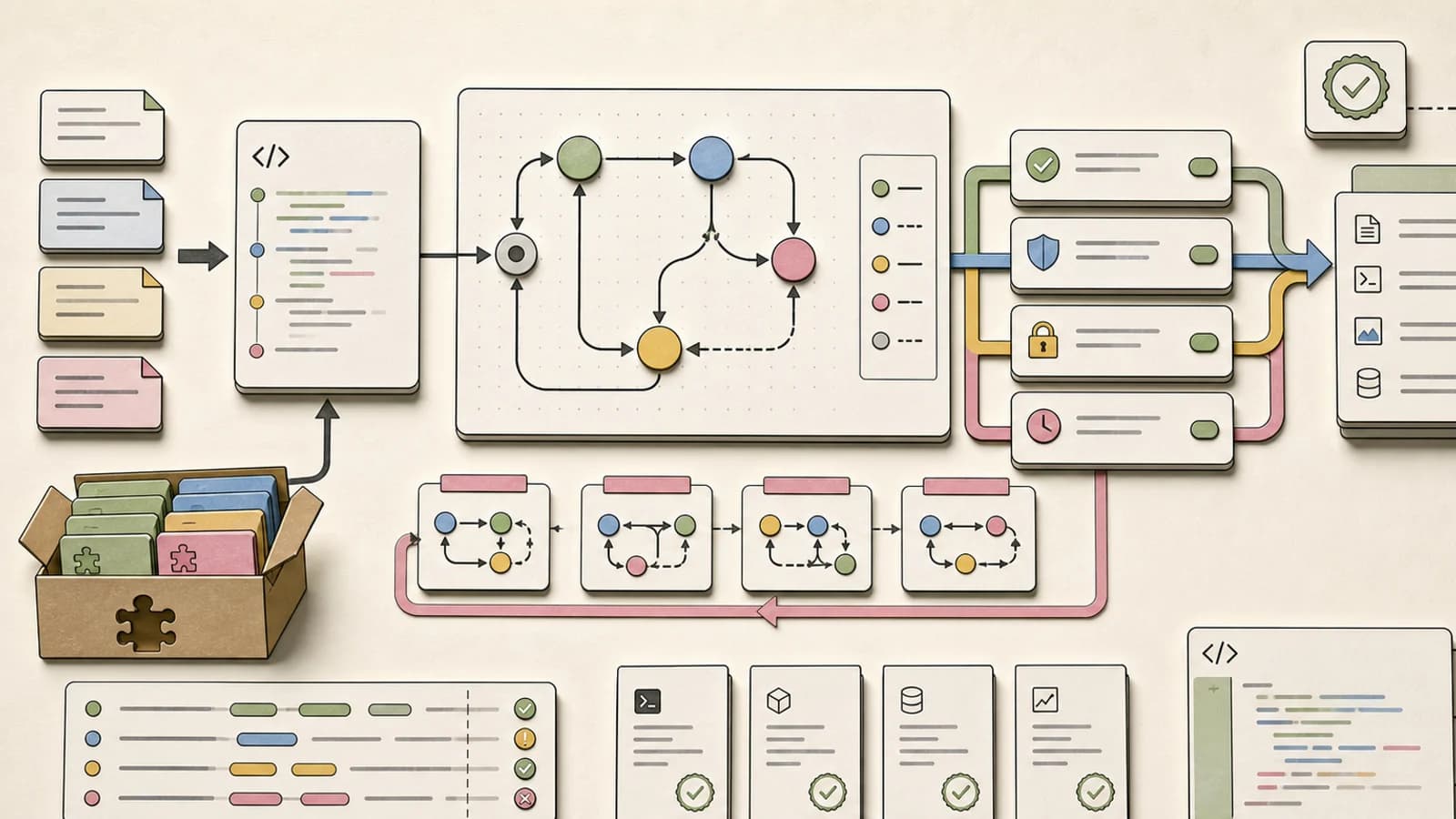
Aharness, LangChain's custom harness pattern, and OpenAI's code-first migration all point to the same next step: agent processes need typed gates, validated evidence, and controlled transitions.
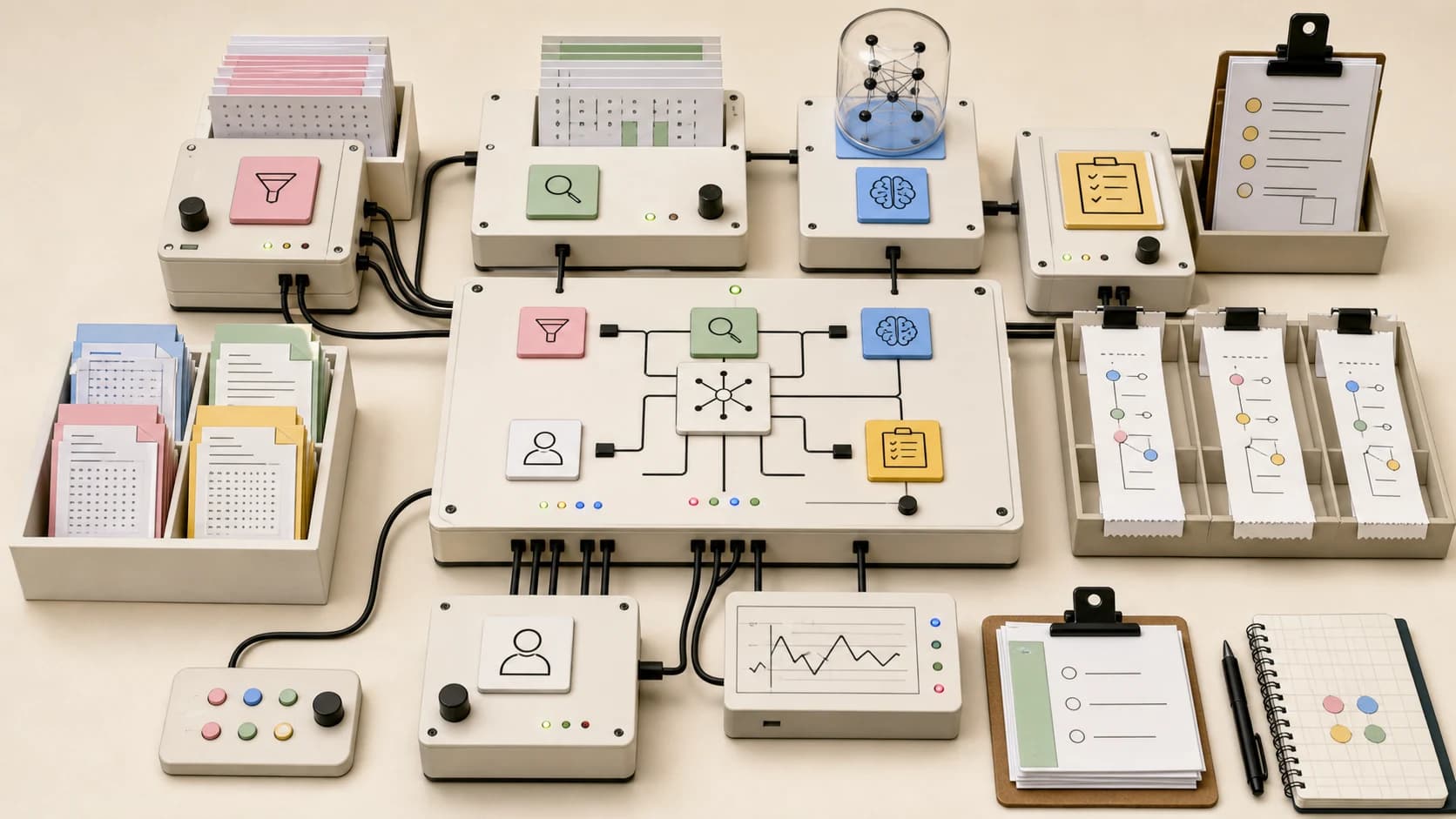
The Bayer and Thoughtworks PRINCE case study is a useful reminder that reliable agentic AI comes from context routing, traces, evals, monitoring, and human review, not from a better prompt alone.
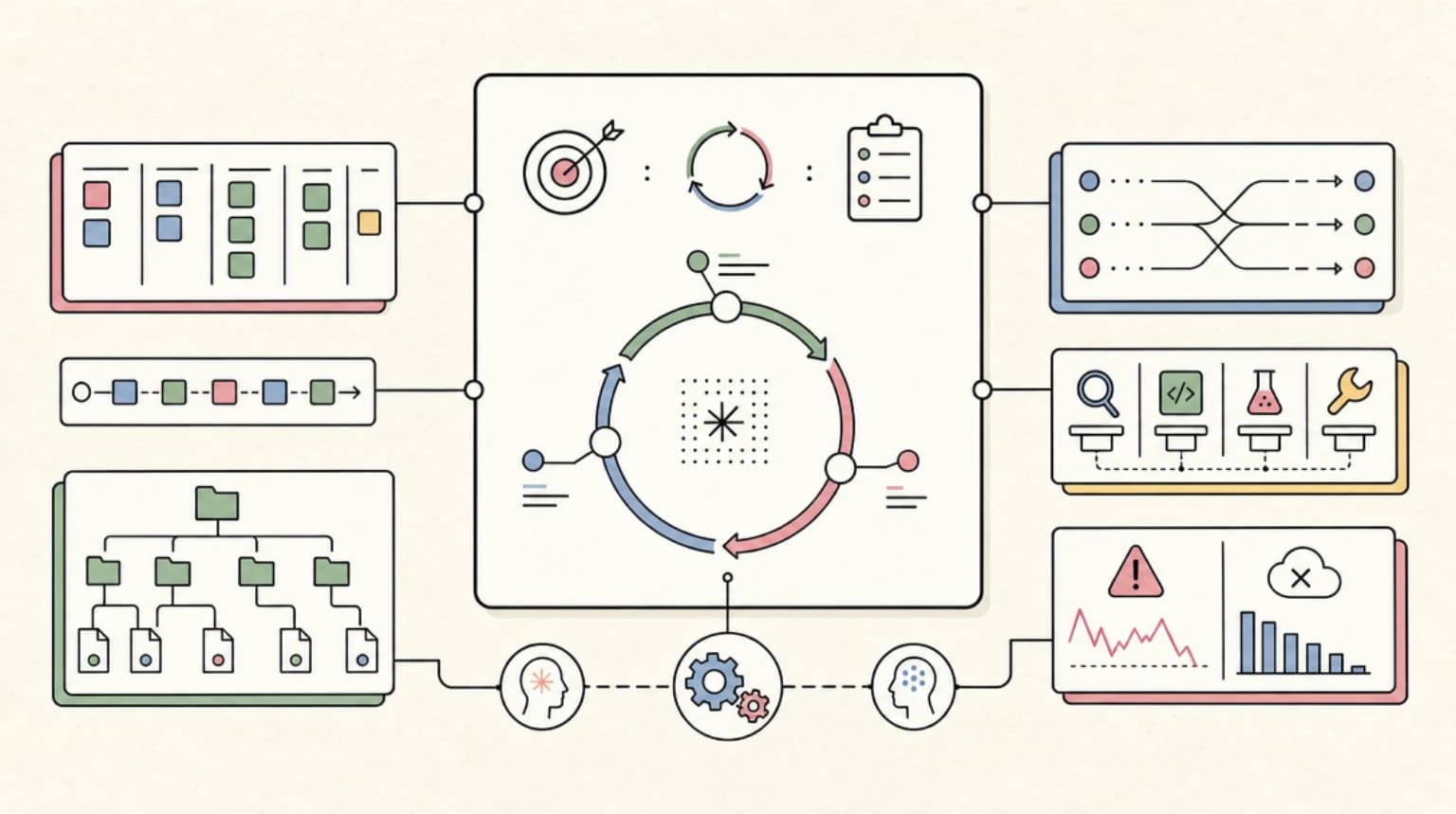
Goal, loop, routine. Three verbs, two tools, one hard part. A complete field guide to running agentic loops in Claude Code and Codex, the real commands, the patterns people actually run, and the two failure modes that burn money.

MCP's new enterprise-managed authorization flow is not just less login friction. It moves agent tool access into identity, policy, and audit systems enterprises already understand.
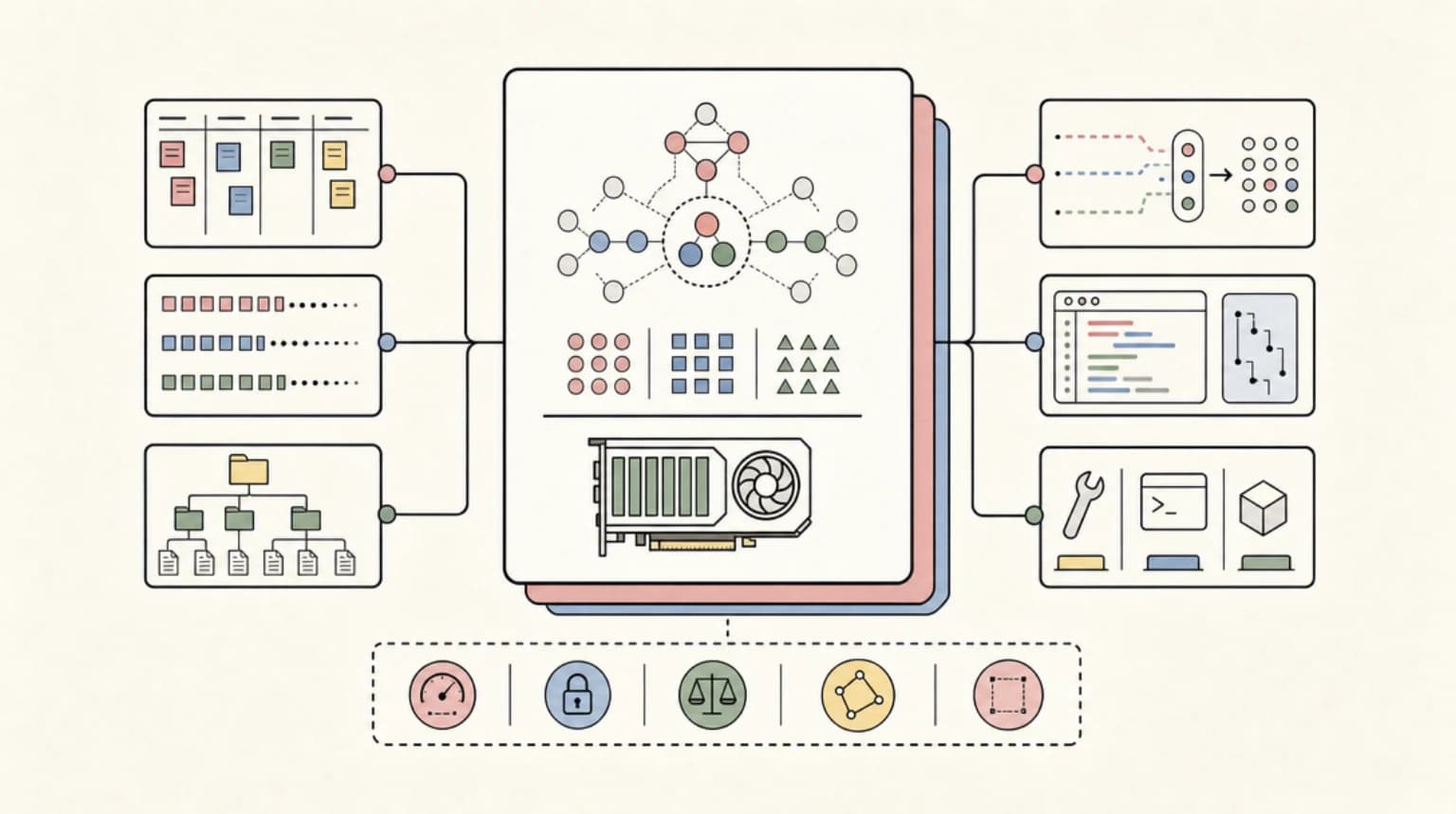
Cohere shipped its first developer-facing model on June 9, 2026. North Mini Code is a 30B mixture-of-experts coding model with 3B active parameters, Apache 2.0 weights, and a deployment footprint of a single H100. Here is what it actually offers and where the open questions are.
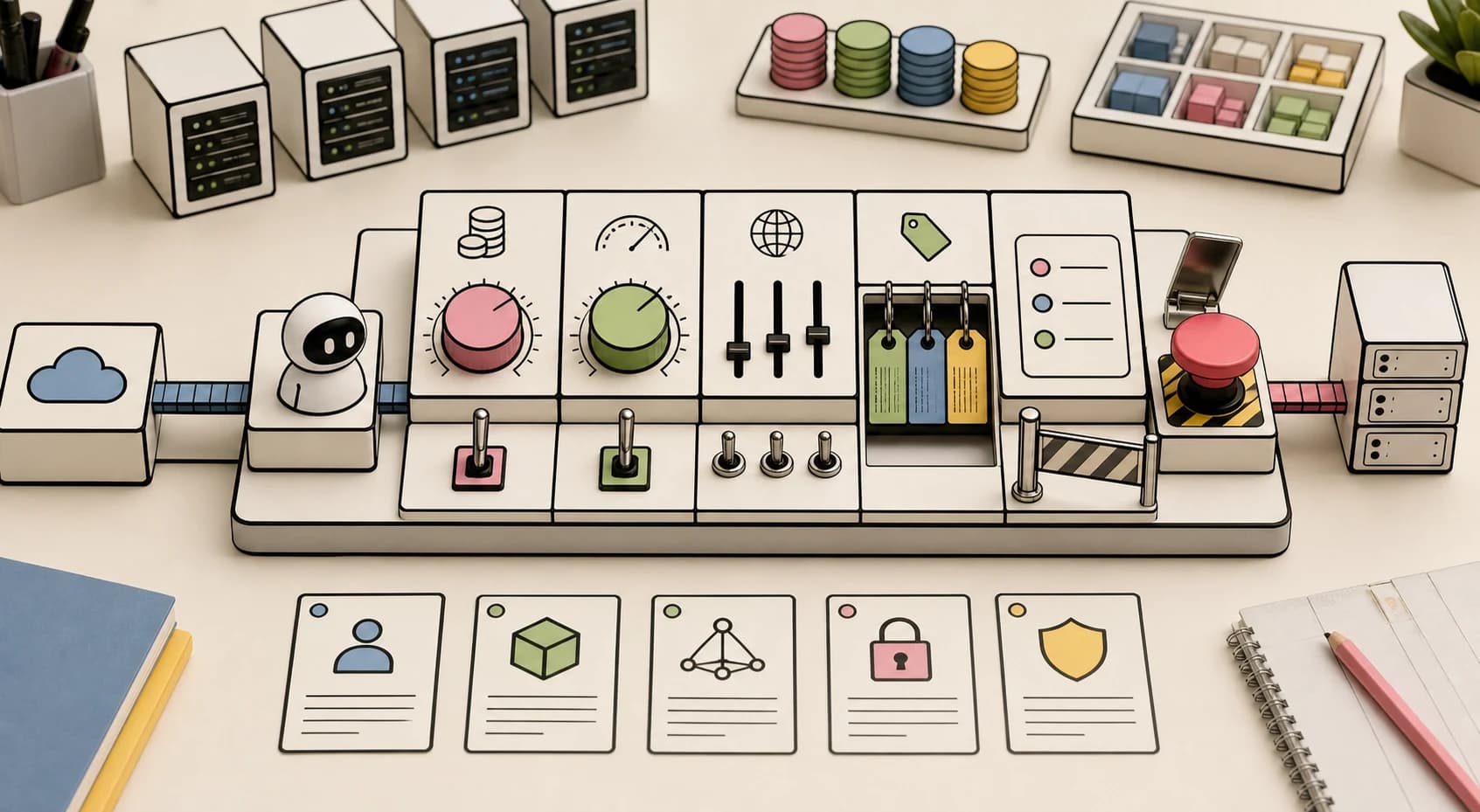
The viral DN42 AWS bill story is funny until you realize the missing primitive: infrastructure agents need hard cloud-spend guardrails before they touch real accounts.
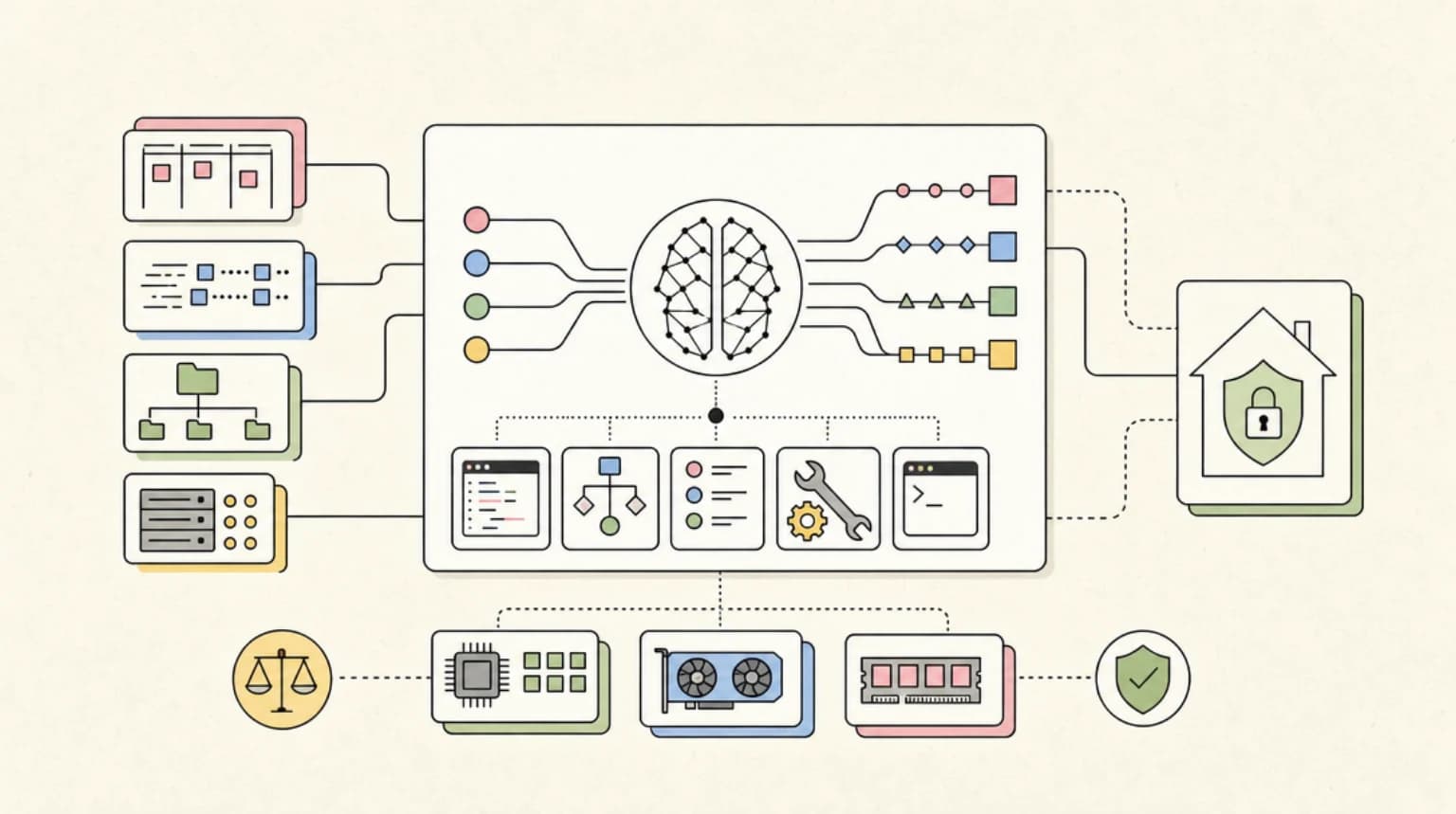
Choosing a local coding LLM in 2026 means balancing benchmark performance, hardware cost, and the compliance pressure to keep code off third-party servers. Here is what to run and on what hardware.
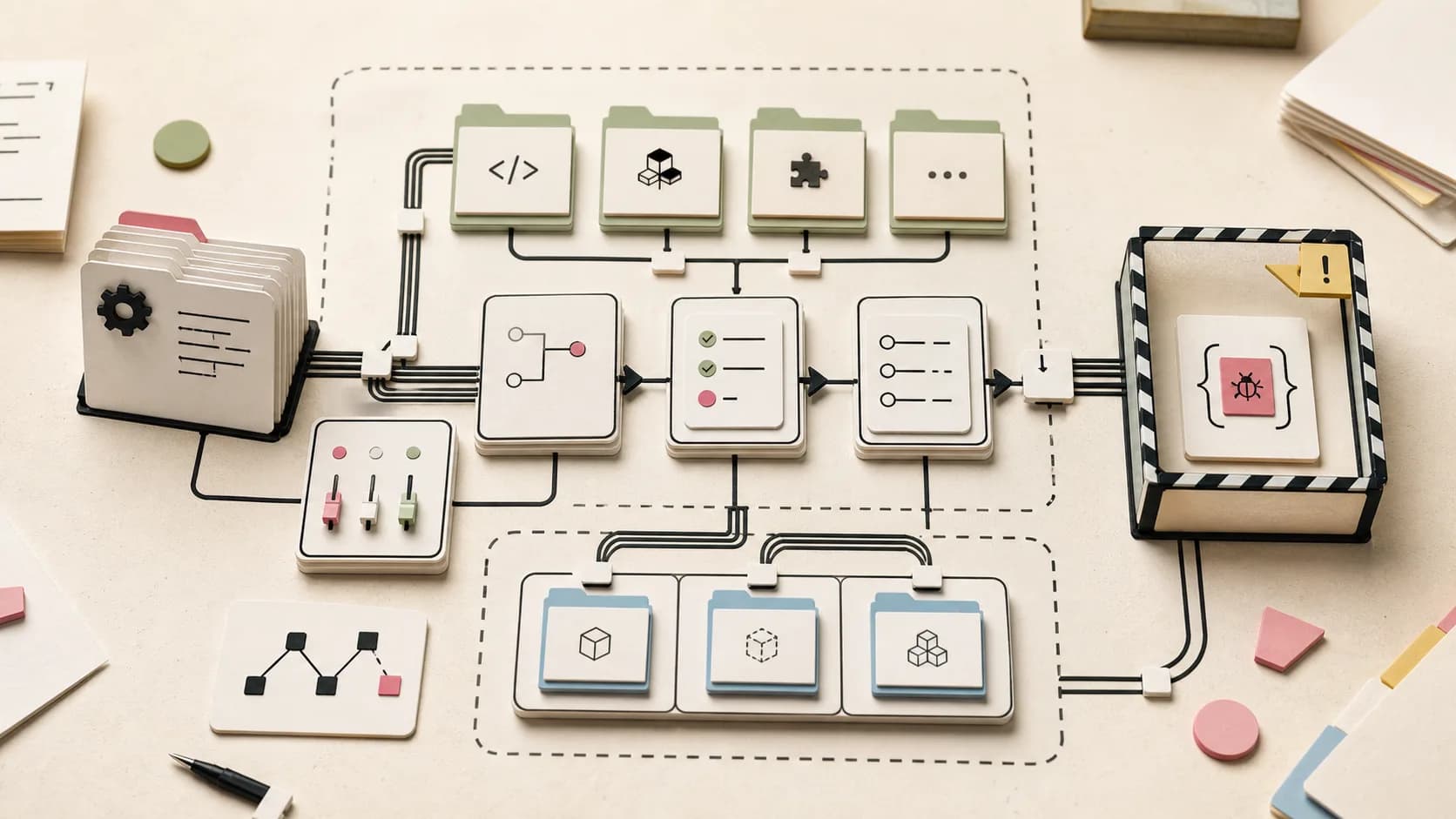
A Hacker News thread on config files that run code points at the next AI coding risk: agent hooks, skills, and editor rules need review like executable dependencies.
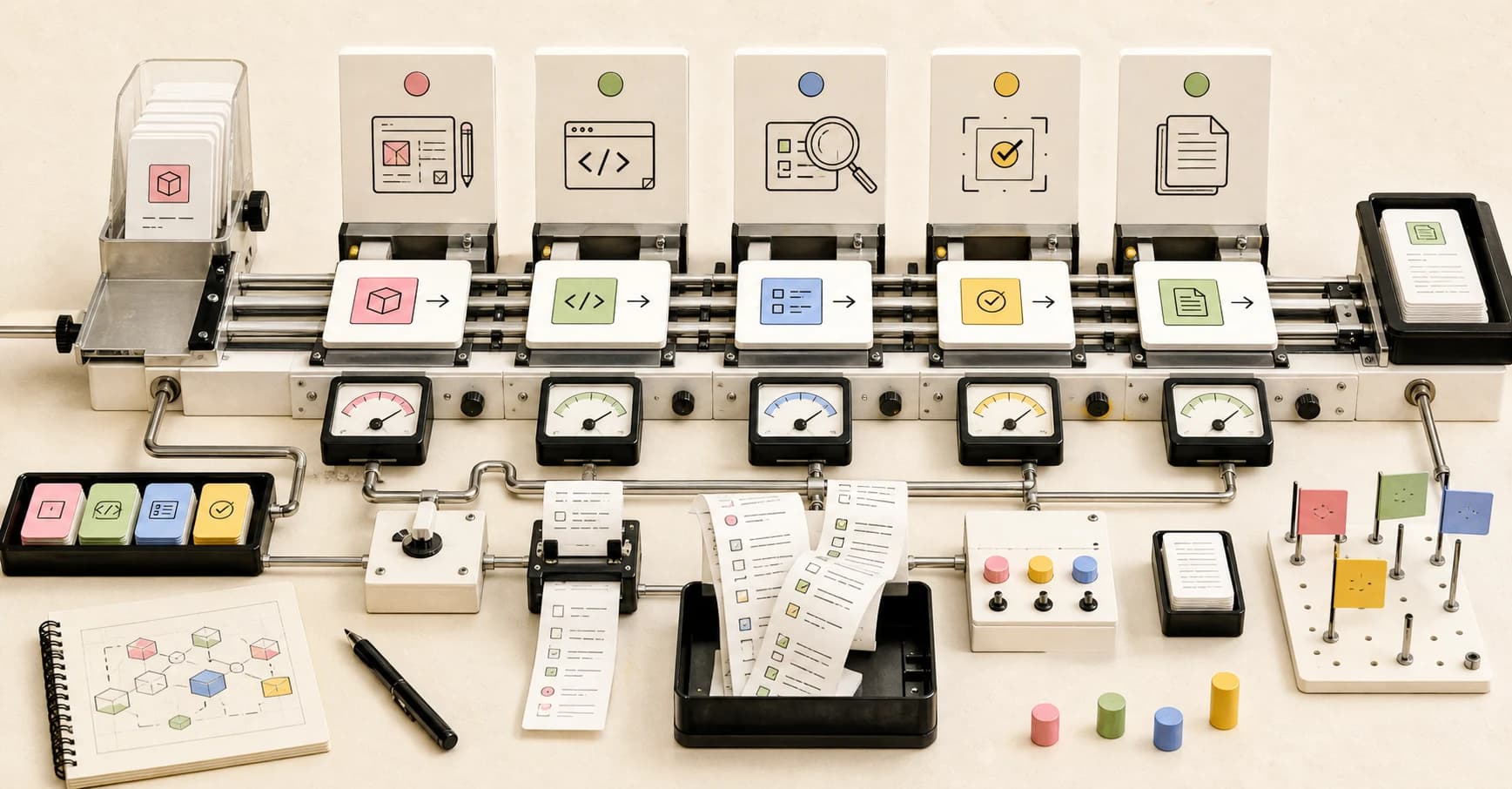
OpenAI's harness engineering post and new token-use research point to the same lesson: agentic coding teams need token budgets, receipts, and eval loops, not vibes.
Showing 12 of 59 articles
New tutorials, open-source projects, and deep dives on coding agents - delivered weekly.
Explore 688 topics
Browse All Topics