Topic
DEVELOPER WORKFLOW
All blog posts, tools, and guides about Developer Workflow from Developers Digest.
60 resources - 60 posts
Blog Posts
View in blog →
Program-as-Weights Turns Prompts Into Local Fuzzy Functions
The Program-as-Weights paper is a useful signal for developers: some LLM calls may move from per-request API prompts into compact local artifacts that behave like reusable fuzzy functions.
7 min read

Non-Developers Using AI Agents Need Platform Engineering
OpenAI's workplace agent data points to a practical shift: non-developers are starting to use agents for real work, so engineering teams need paved paths, policy, and receipts.
7 min read
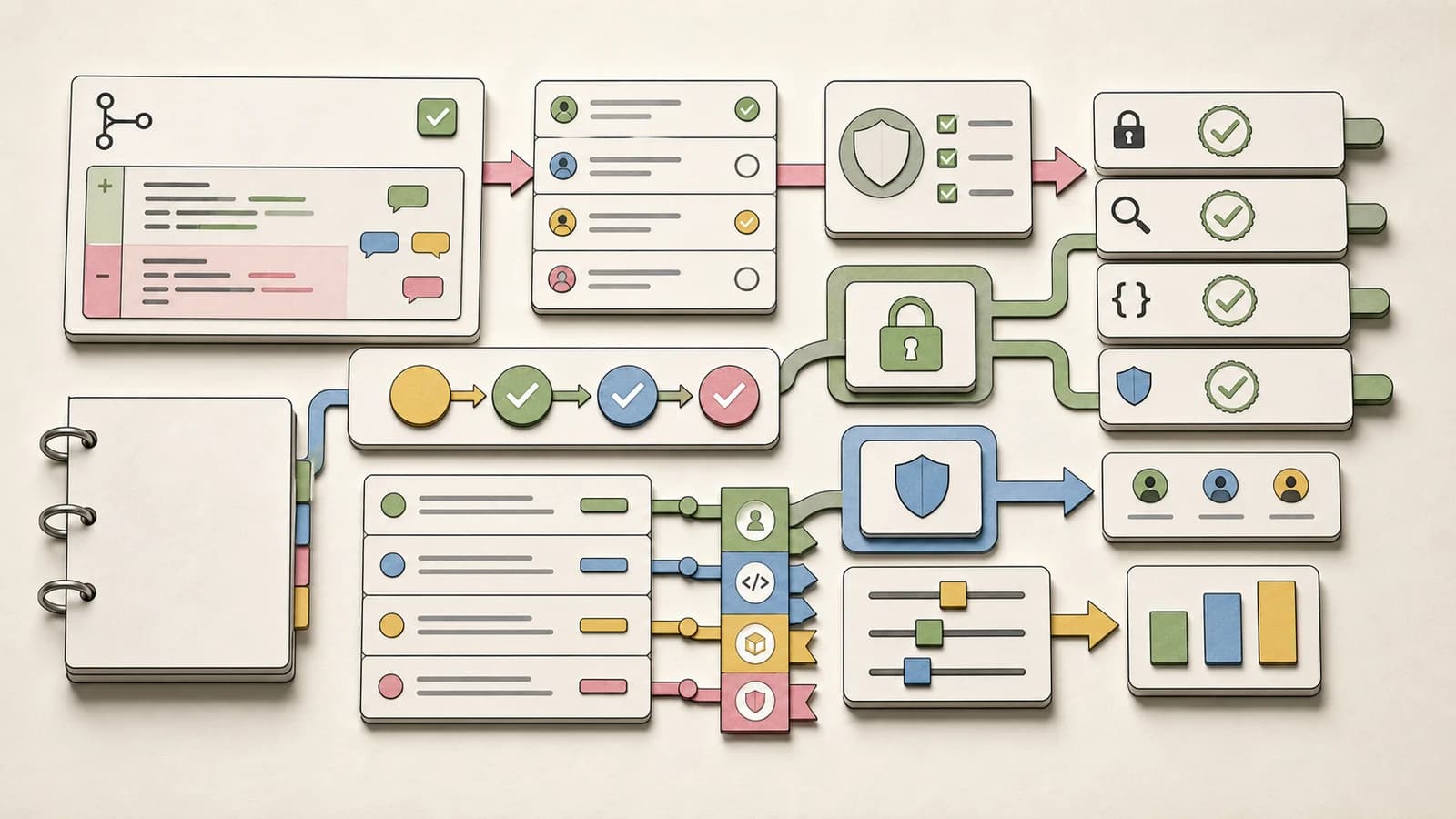
Agent PR Governance: The New Rules for Copilot Reviews
GitHub's June Copilot review updates point to a practical policy stack for agent-authored pull requests: validation, review depth, repo instructions, attribution, and release-note accountability.
8 min read
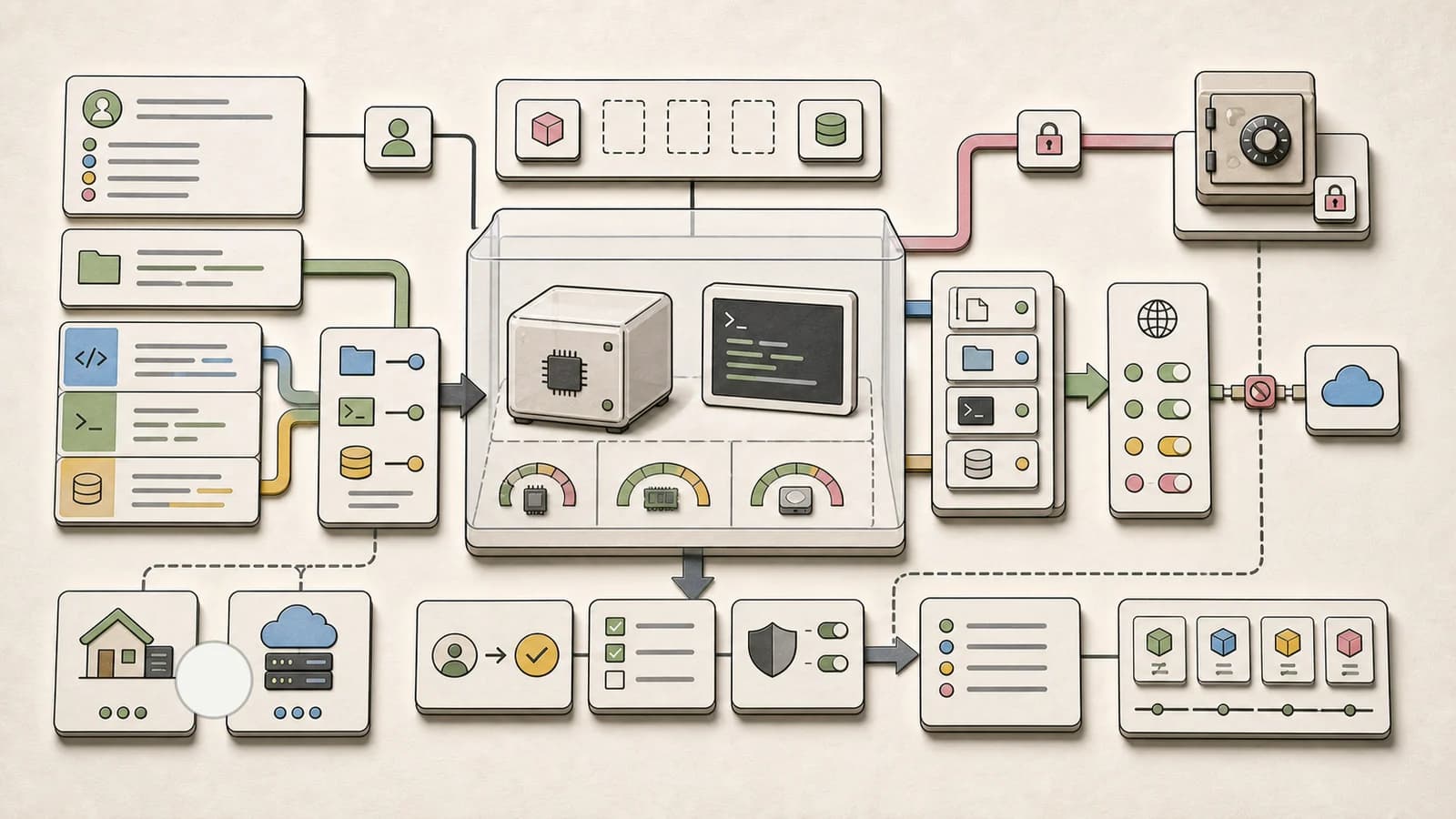
Agent Sandbox Architecture: How to Choose the Right Runtime Boundary
AI agents are getting their own computers. Here is how to choose a sandbox architecture: filesystem isolation, network policy, secrets boundaries, snapshots, and when shell access is overkill.
8 min read
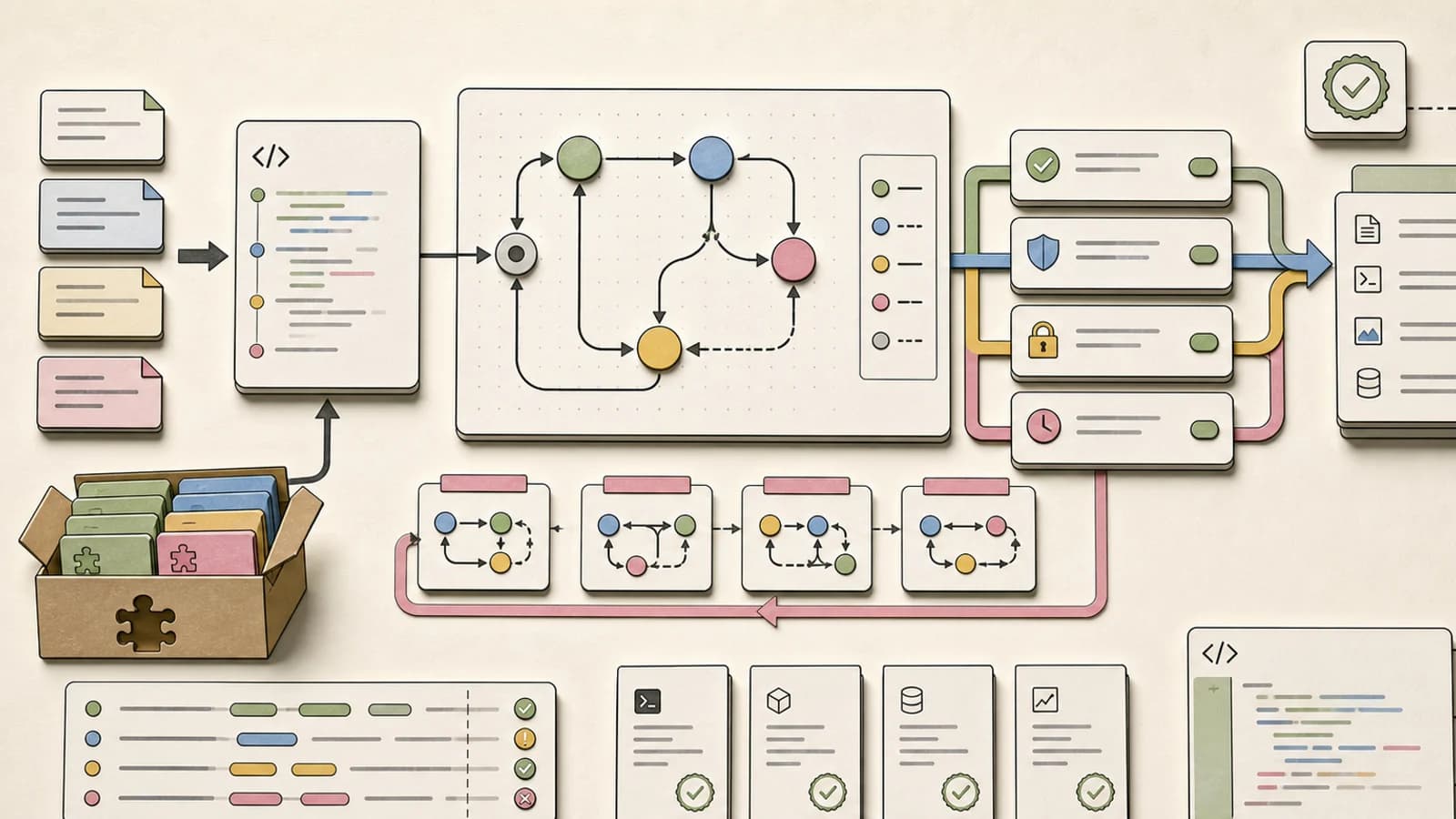
Agent Workflows as Code: Why State Machines Beat Prompt Checklists
Aharness, LangChain's custom harness pattern, and OpenAI's code-first migration all point to the same next step: agent processes need typed gates, validated evidence, and controlled transitions.
8 min read
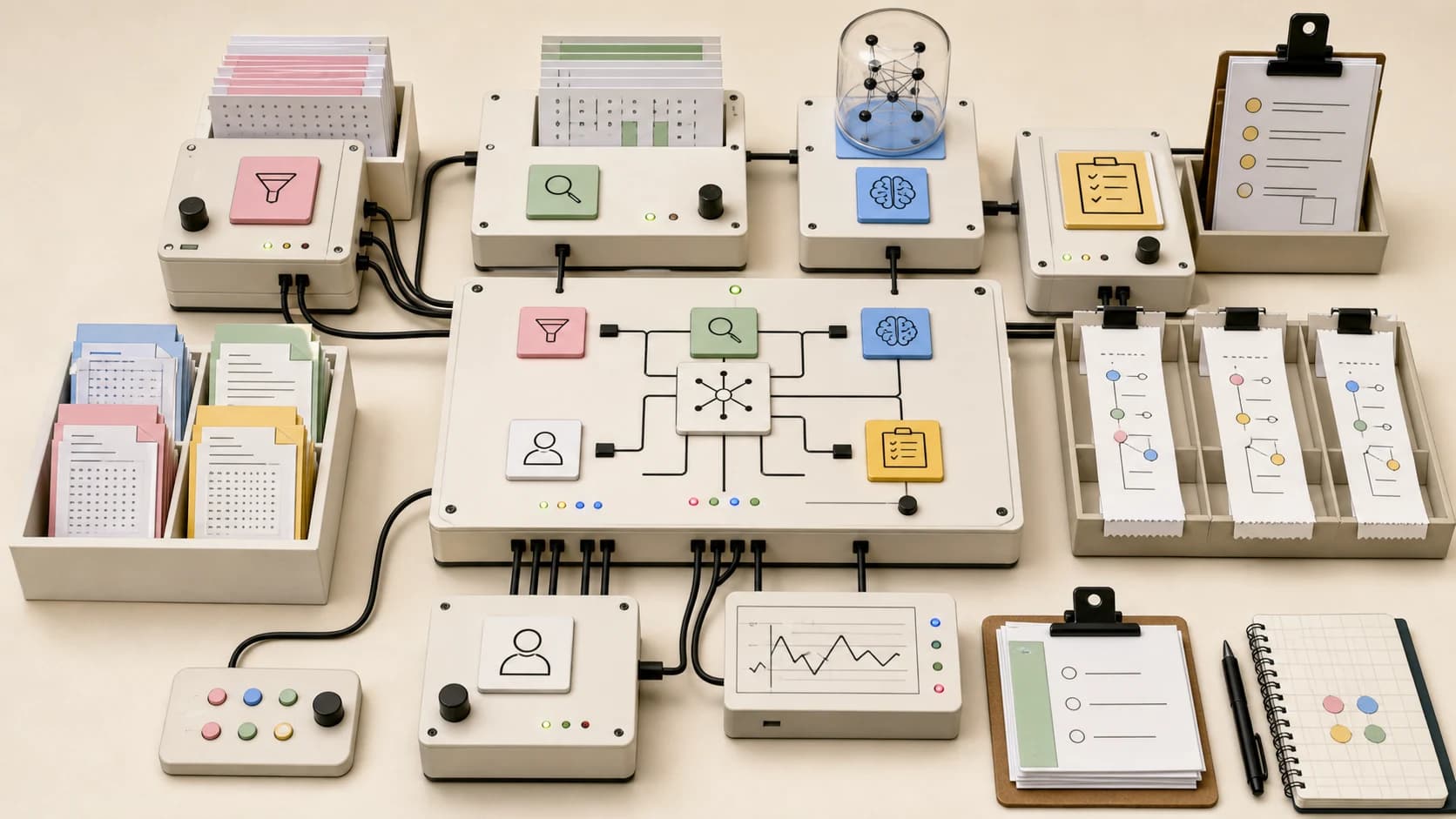
Agentic AI Reliability Is a Systems Problem
The Bayer and Thoughtworks PRINCE case study is a useful reminder that reliable agentic AI comes from context routing, traces, evals, monitoring, and human review, not from a better prompt alone.
7 min read
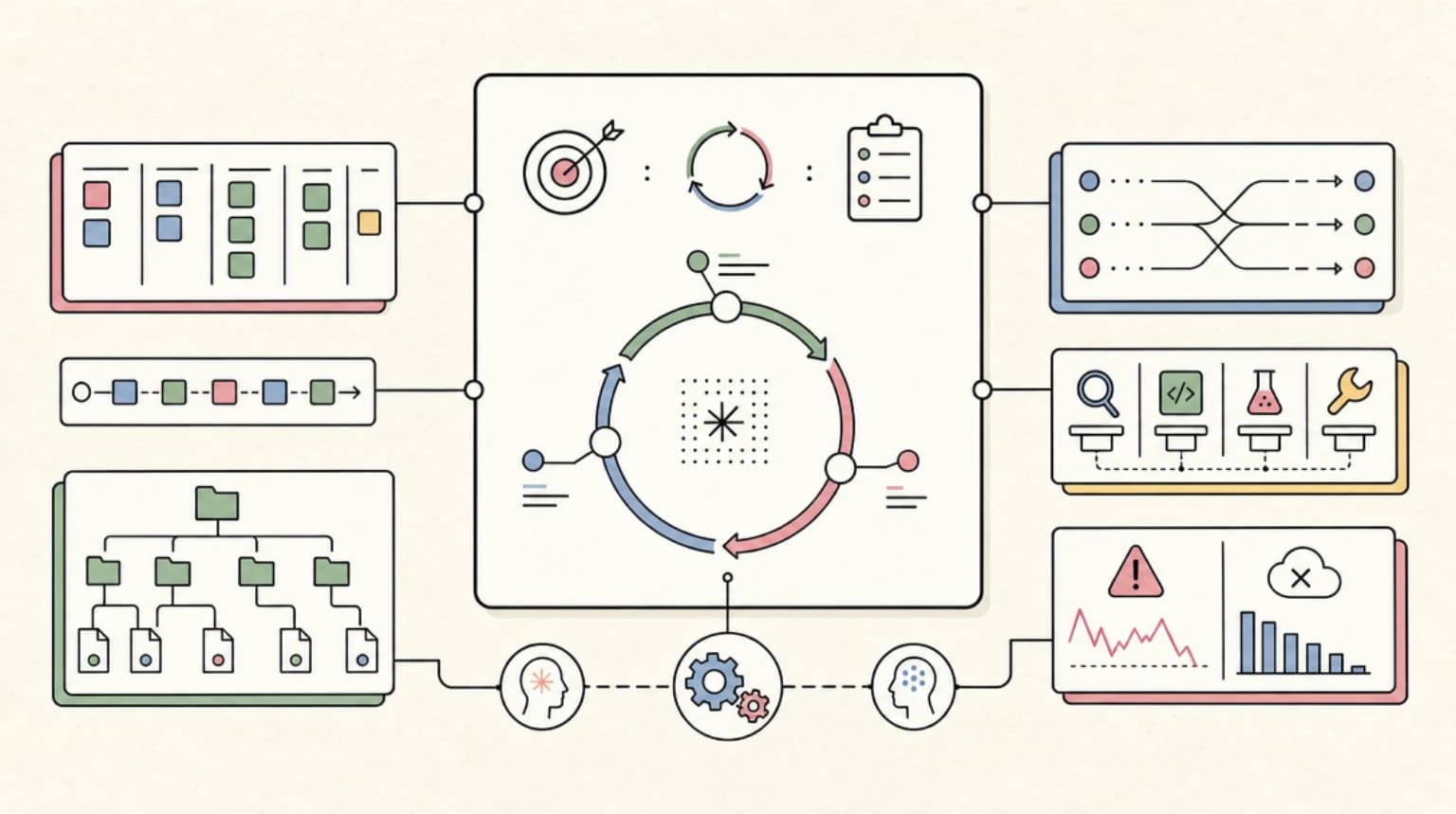
The Definitive Guide to Loop Engineering in Claude Code and Codex
Goal, loop, routine. Three verbs, two tools, one hard part. A complete field guide to running agentic loops in Claude Code and Codex, the real commands, the patterns people actually run, and the two failure modes that burn money.
16 min read

Zero-Touch OAuth Is the MCP Feature Enterprises Were Waiting For
MCP's new enterprise-managed authorization flow is not just less login friction. It moves agent tool access into identity, policy, and audit systems enterprises already understand.
8 min read
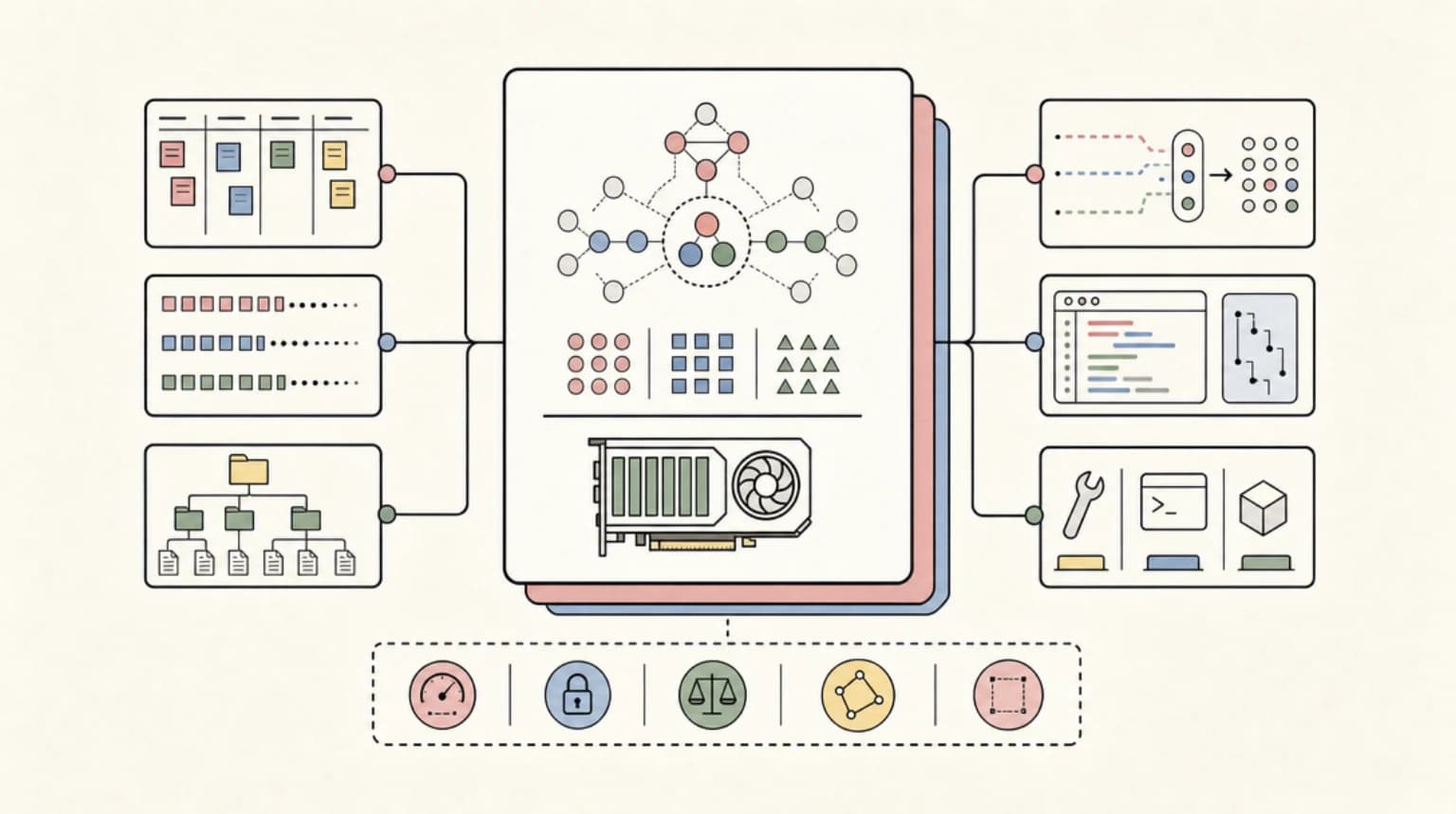
Cohere's North Mini Code: A 30B Open-Weight Coding Model That Runs on One H100
Cohere shipped its first developer-facing model on June 9, 2026. North Mini Code is a 30B mixture-of-experts coding model with 3B active parameters, Apache 2.0 weights, and a deployment footprint of a single H100. Here is what it actually offers and where the open questions are.
7 min read
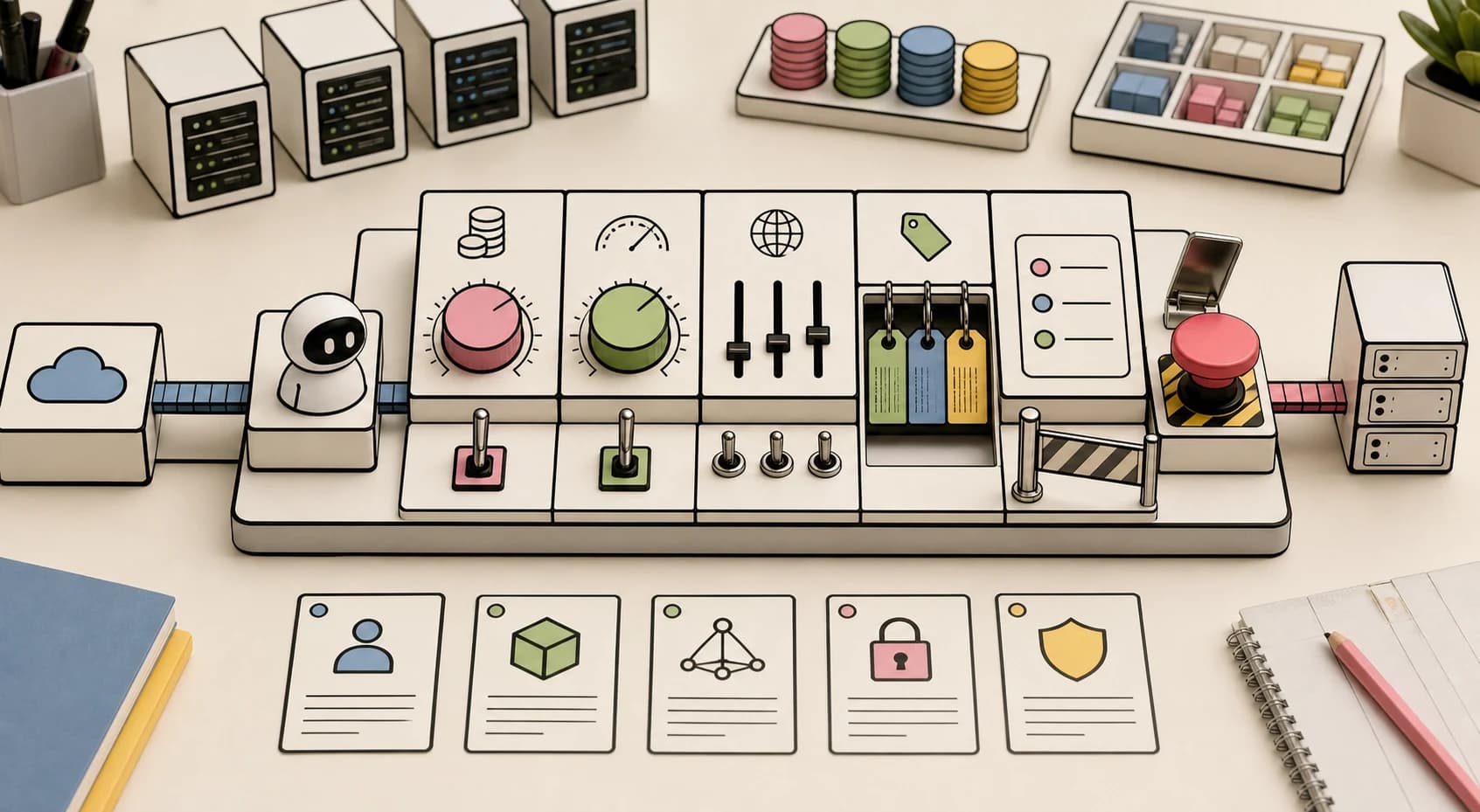
AI Infrastructure Agents Need Spend Guardrails
The viral DN42 AWS bill story is funny until you realize the missing primitive: infrastructure agents need hard cloud-spend guardrails before they touch real accounts.
8 min read
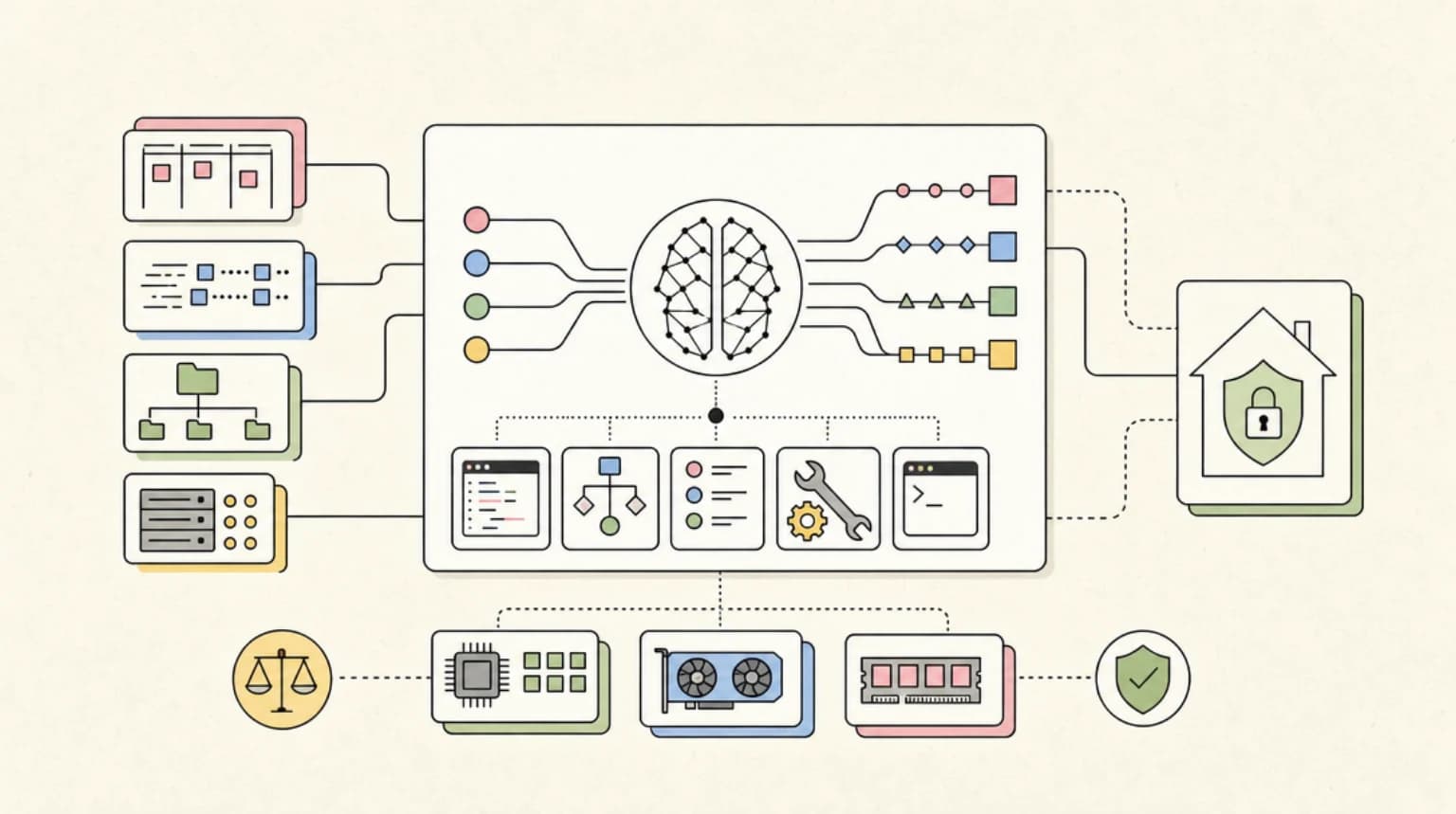
The Best Local Coding LLMs in 2026: Run Enterprise-Grade AI Without the Cloud
Choosing a local coding LLM in 2026 means balancing benchmark performance, hardware cost, and the compliance pressure to keep code off third-party servers. Here is what to run and on what hardware.
8 min read
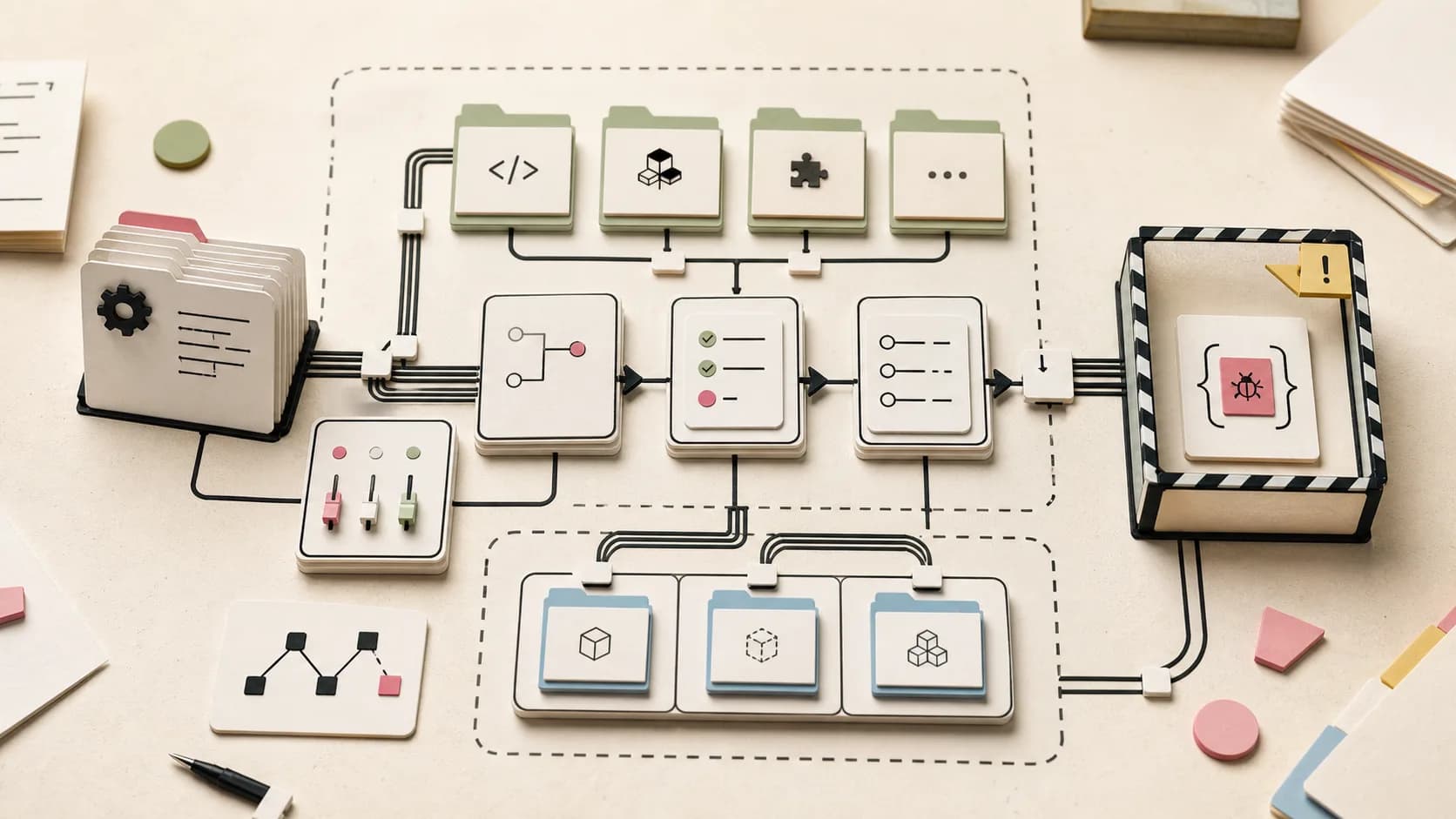
Agent Config Files Are Executable Supply Chain
A Hacker News thread on config files that run code points at the next AI coding risk: agent hooks, skills, and editor rules need review like executable dependencies.
8 min read
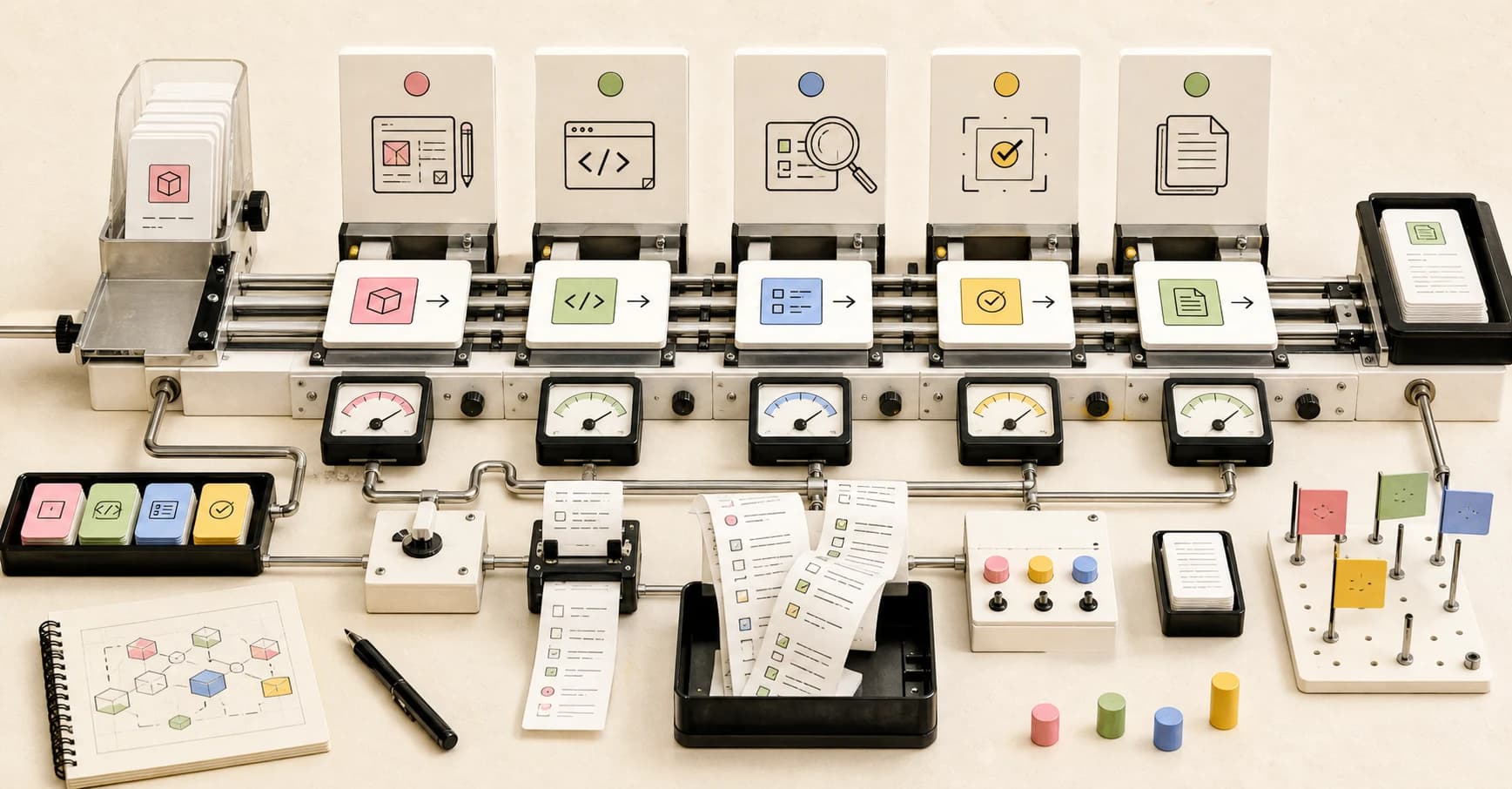
Harness Engineering Makes Tokens a Systems Budget
OpenAI's harness engineering post and new token-use research point to the same lesson: agentic coding teams need token budgets, receipts, and eval loops, not vibes.
8 min read

AI Code Attribution Needs Defect Forensics, Not Vibes
The rsync Claude debate shows why teams need reproducible defect forensics before AI attribution becomes a public blame machine.
8 min read

Security Agents Need Repro Harnesses, Not More Scan Prompts
Anthropic's open-source vulnerability harness shows where AI security work is going: reproducible exploit loops, separate verification agents, and patch receipts.
9 min read

AI Agent Containment Needs a Capability Ledger
Anthropic's Claude containment writeup points to the next security layer for coding agents: deterministic capability ledgers, not another approval prompt.
9 min read
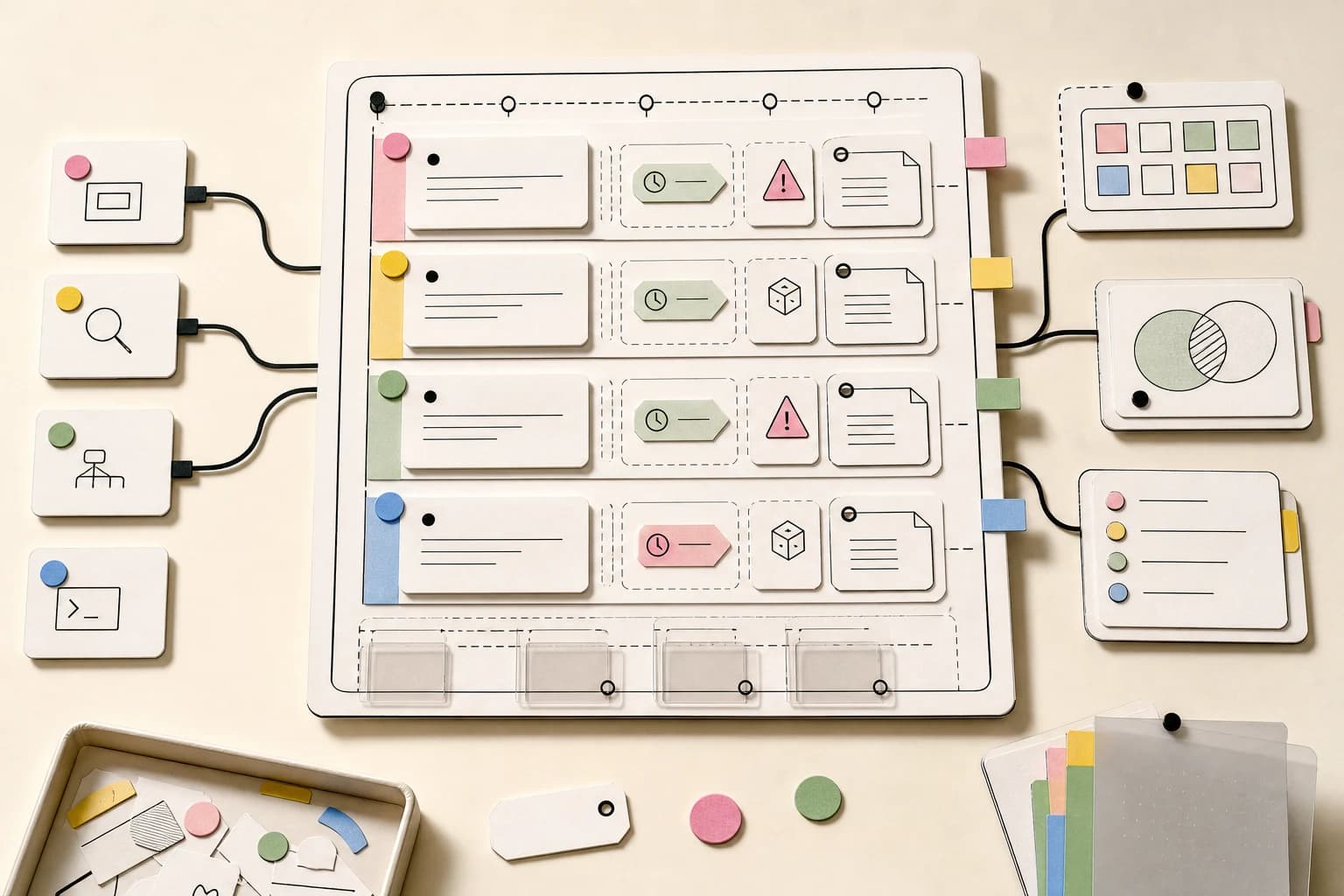
AI Agent Memory Needs a Context Ledger
GitHub Trending is full of agent memory and context tools. The useful version is not magic recall. It is a context ledger: source-linked, scoped, expiring memory that agents can inspect and users can audit.
8 min read

Spreadsheet Agents Need Permission Ledgers
The ChatGPT for Google Sheets exfiltration report is not just a spreadsheet bug. It is a warning about agentic office tools: permissions need to be action-scoped, logged, revocable, and visible.
8 min read
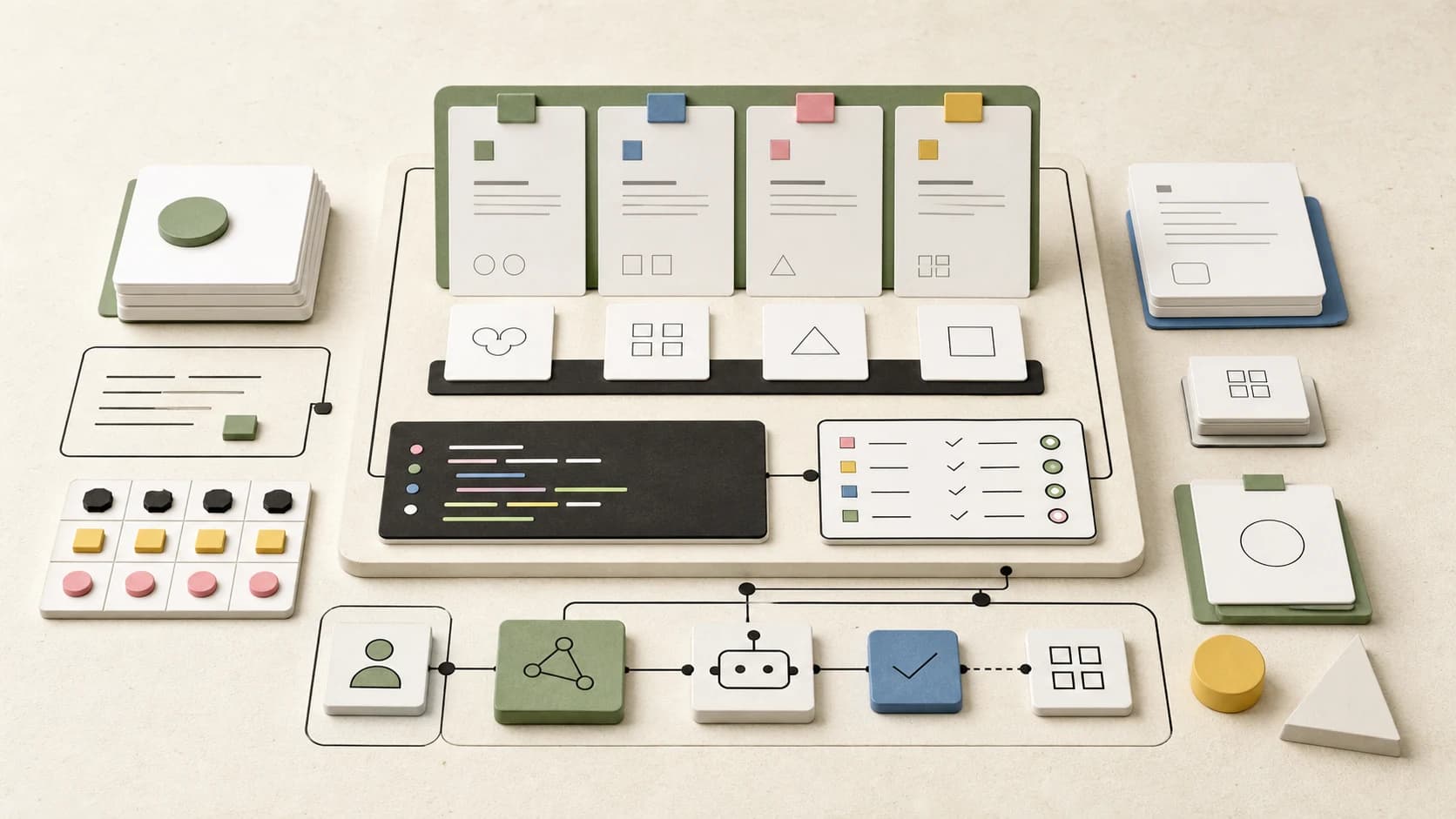
Domain Expertise Is the New Agentic Coding Moat
A huge Hacker News thread says domain expertise is the real moat in agentic coding. The sharper version: tacit judgment only compounds when you turn it into examples, tests, DSLs, and review gates.
8 min read
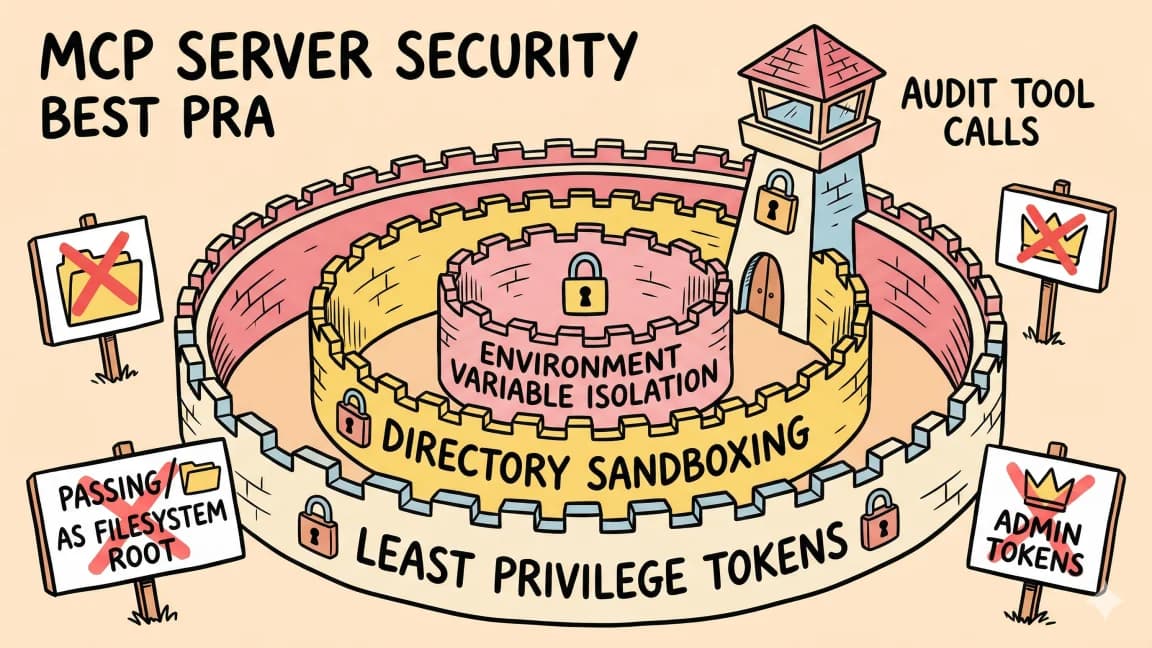
The Agent Security Checklist I Use Before Connecting Tools
Before an AI agent gets tools, files, APIs, MCP servers, or deployment access, decide what it can read, write, call, log, and roll back.
8 min read
Permissions, Logs, and Rollback for AI Coding Agents
AI coding agents become safer when permissions, logs, and rollback are designed as one system. Here is the operating loop I would put around any agent that can edit code, run tools, or open pull requests.
9 min read
Prompt Injection in Agent Apps: The Practical Version
Prompt injection stops being an abstract LLM risk once an agent can call tools. The practical defense is data boundaries, structured handoffs, tool guardrails, and approval gates around side effects.
8 min read
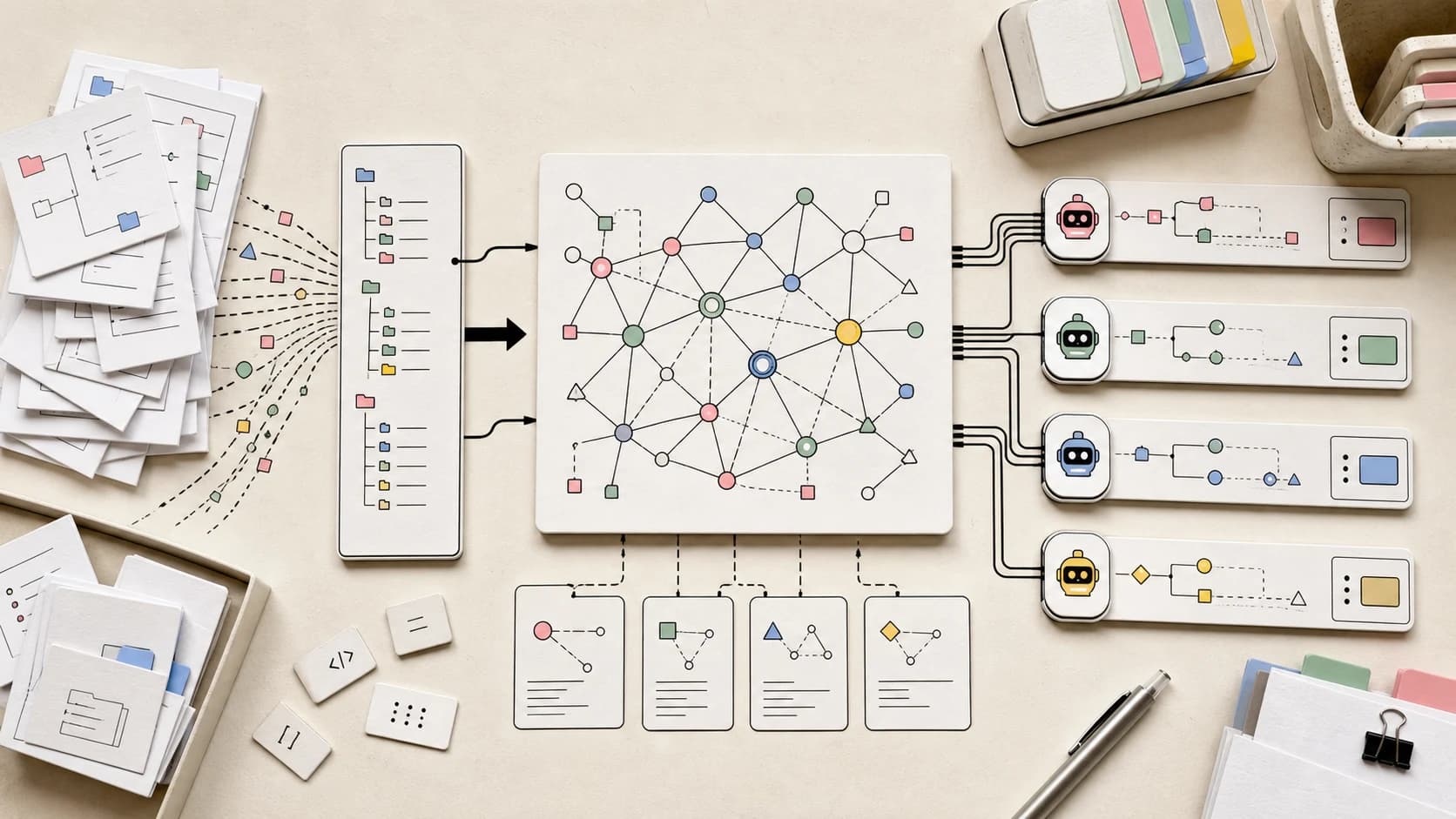
Local Code Graphs Are the Agent Context Layer
CodeGraph shows why coding agents need a local, queryable repo map. The win is not magic token savings. It is faster orientation, fewer wrong files, and better review receipts.
9 min read
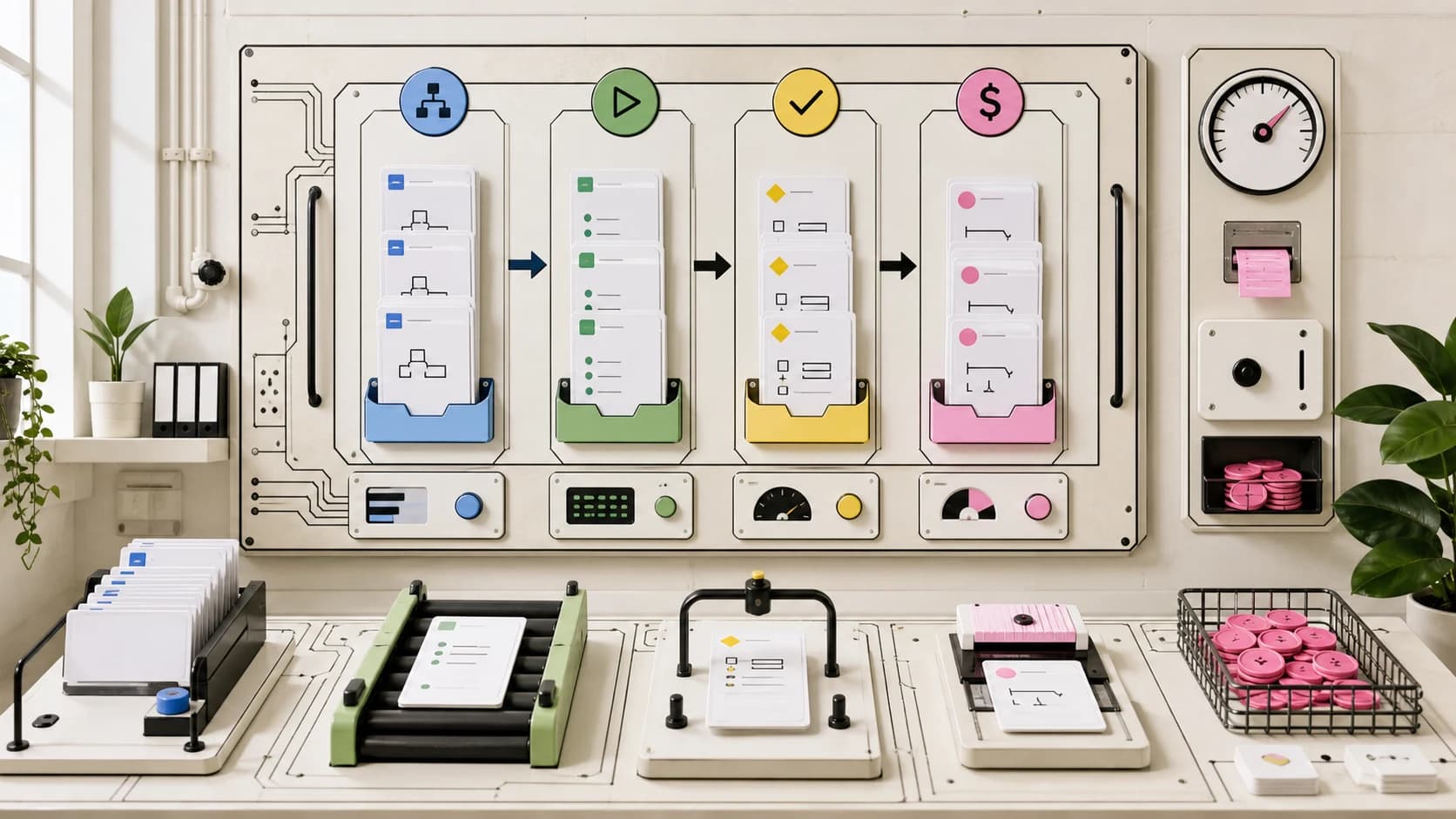
AI Agent PMF Is a Cost Control Problem Now
AI coding agents have crossed from demo to daily workflow. The next bottleneck is not demand. It is cost attribution, budget gates, and workflow design that keeps agent fleets from turning useful work into surprise spend.
8 min read
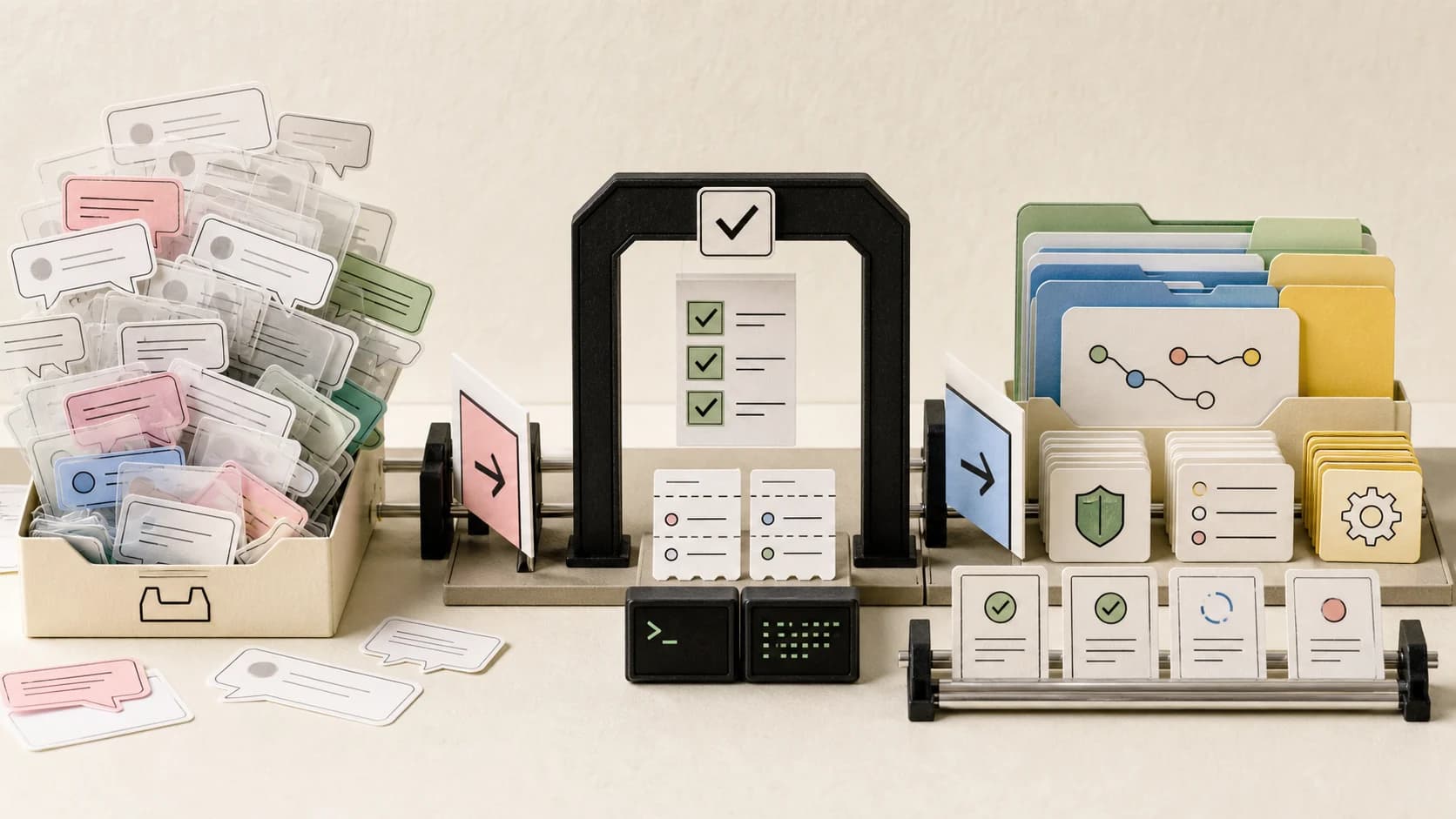
AI Chat Fatigue Is a Workflow Design Bug
A front-page Hacker News essay about being tired of AI answers points at a real developer problem: chat is too easy to launder into fake work. The fix is verifiable workflows, not more conversational polish.
8 min read
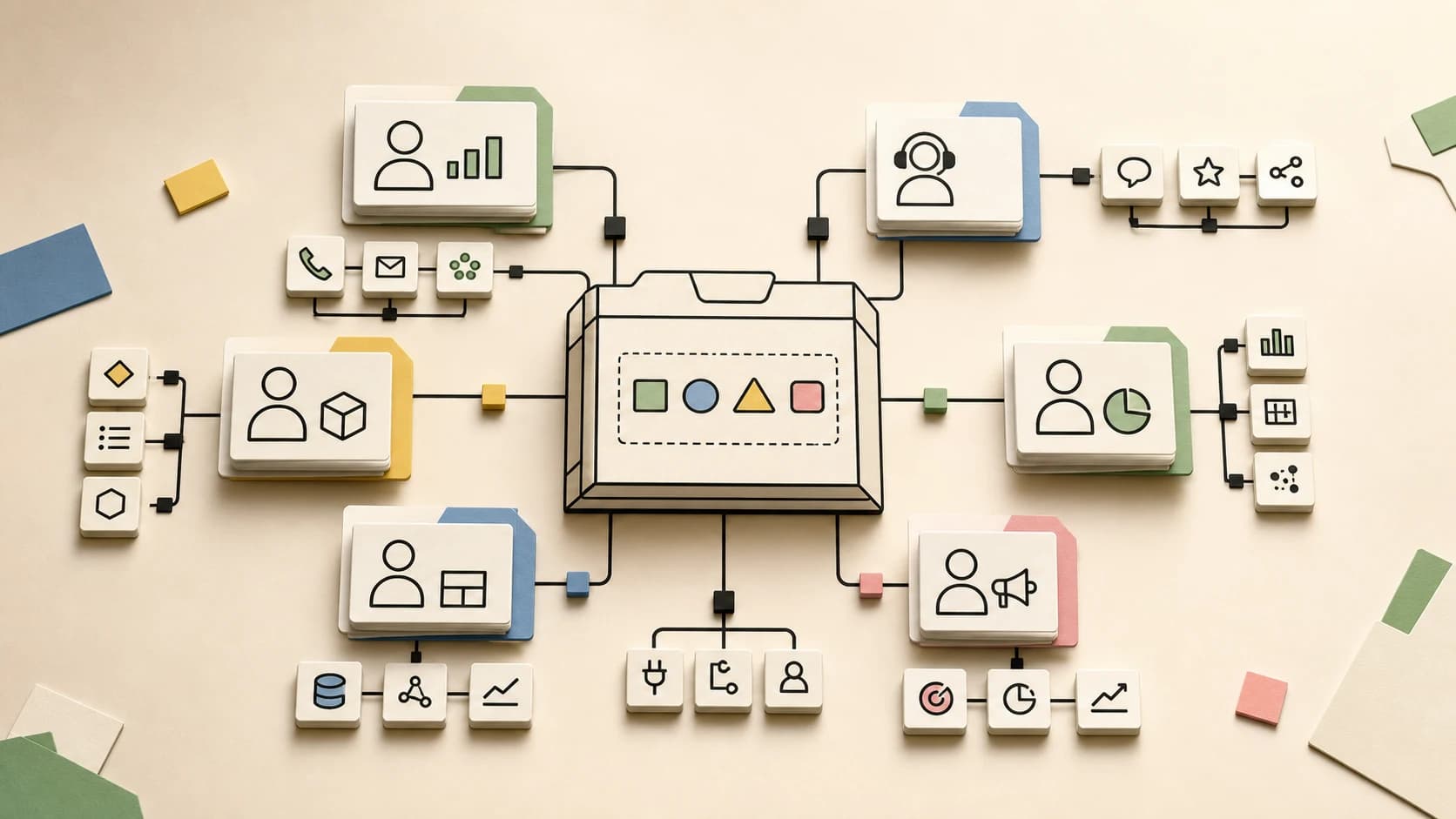
Claude Knowledge Work Plugins Turn Agent Setup Into Team Infrastructure
Anthropic's knowledge-work plugin repo is trending because it packages skills, connectors, slash commands, and sub-agents around job functions. The interesting shift is from personal prompts to team-distributed operating systems.
7 min read
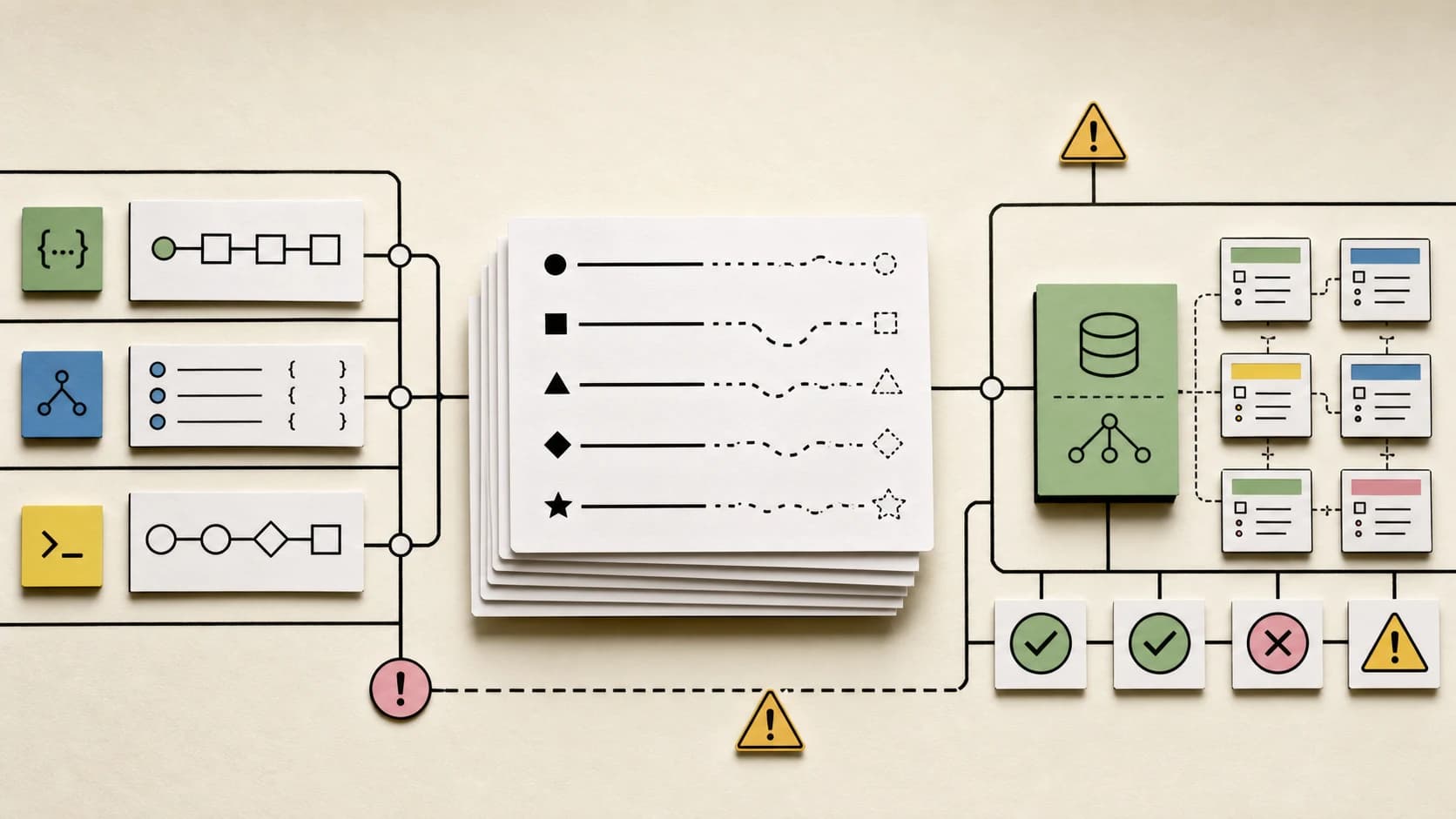
Constraint Decay Is the Coding Agent Bug Nobody Can Prompt Around
A new arXiv paper shows coding agents can pass loose backend tasks, then fall apart when architecture, database, and ORM constraints pile up. The fix is not longer markdown. It is executable constraints.
8 min read
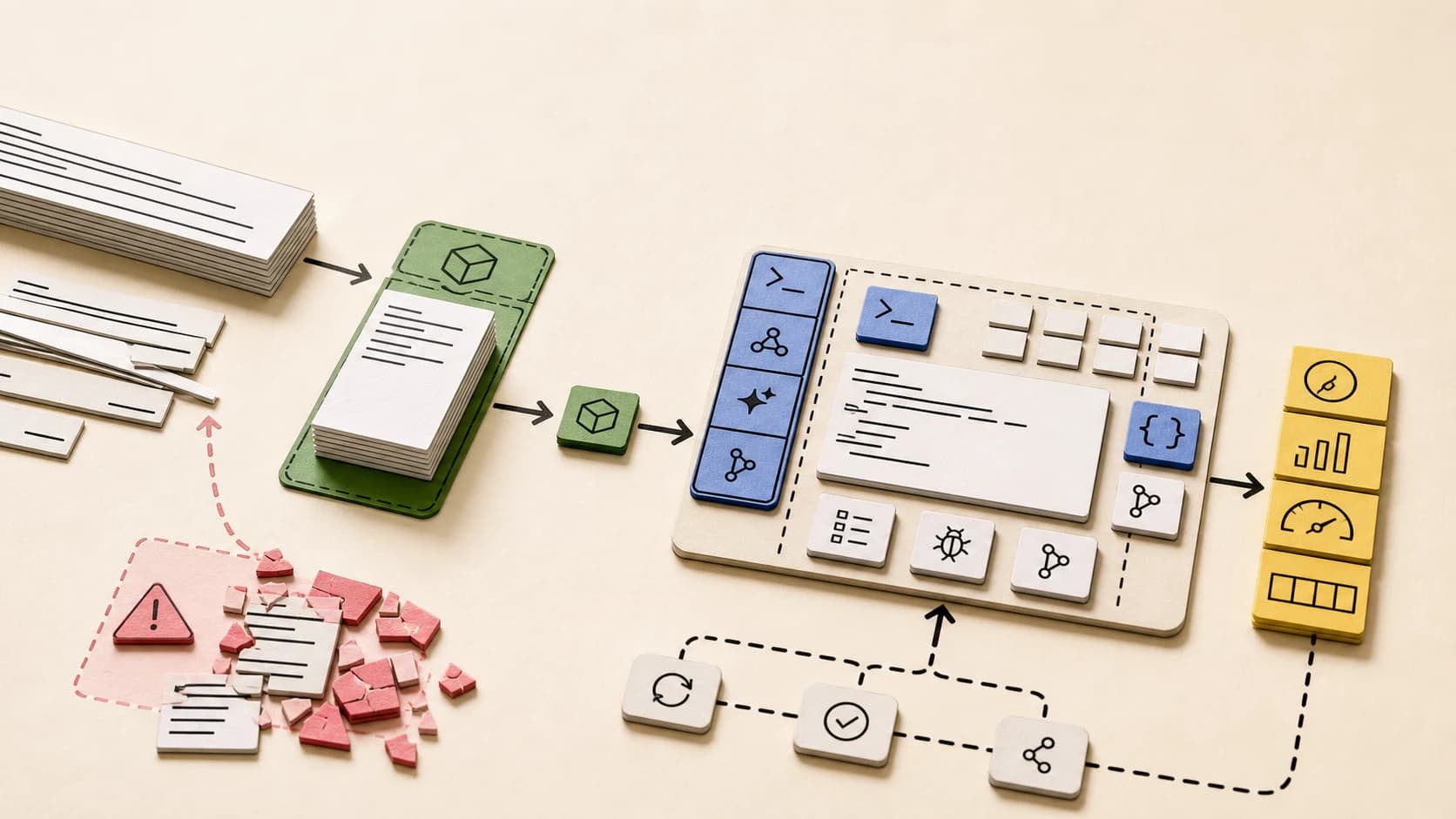
Reasonix Shows the Next Coding Agent Fight Is Cache Discipline
Reasonix hit Hacker News with a DeepSeek-native pitch: keep long coding sessions cheap by designing the agent loop around prefix caching. The interesting question is when cache efficiency helps quality, and when it fights the harness.
7 min read
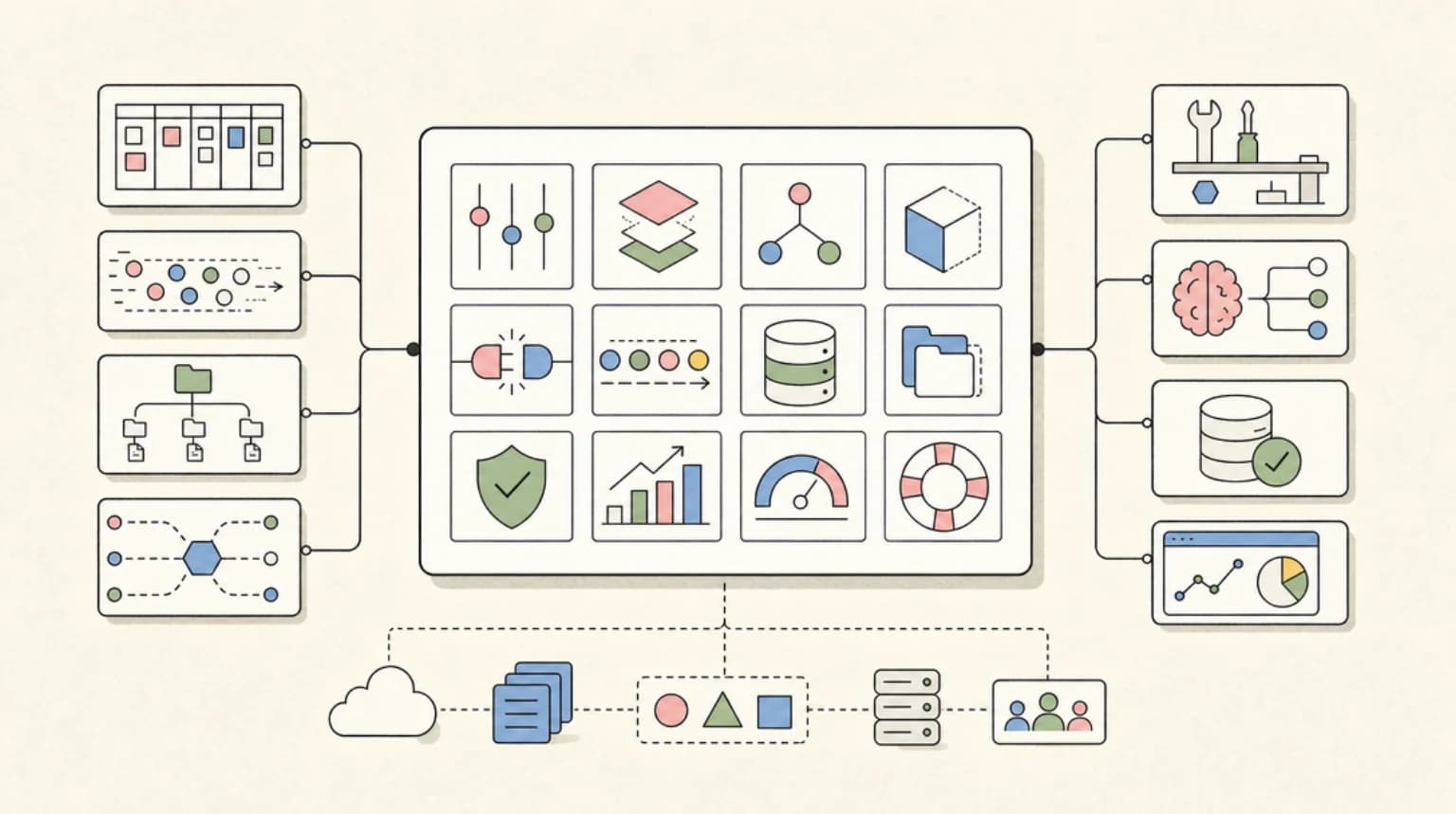
12-Factor Agents: Production Principles for Reliable AI Agents
HumanLayer's 12-Factor Agents guide turns agent reliability into an engineering checklist: own prompts, context, tools, control flow, state, human approval, and observability before a demo becomes production.
8 min read
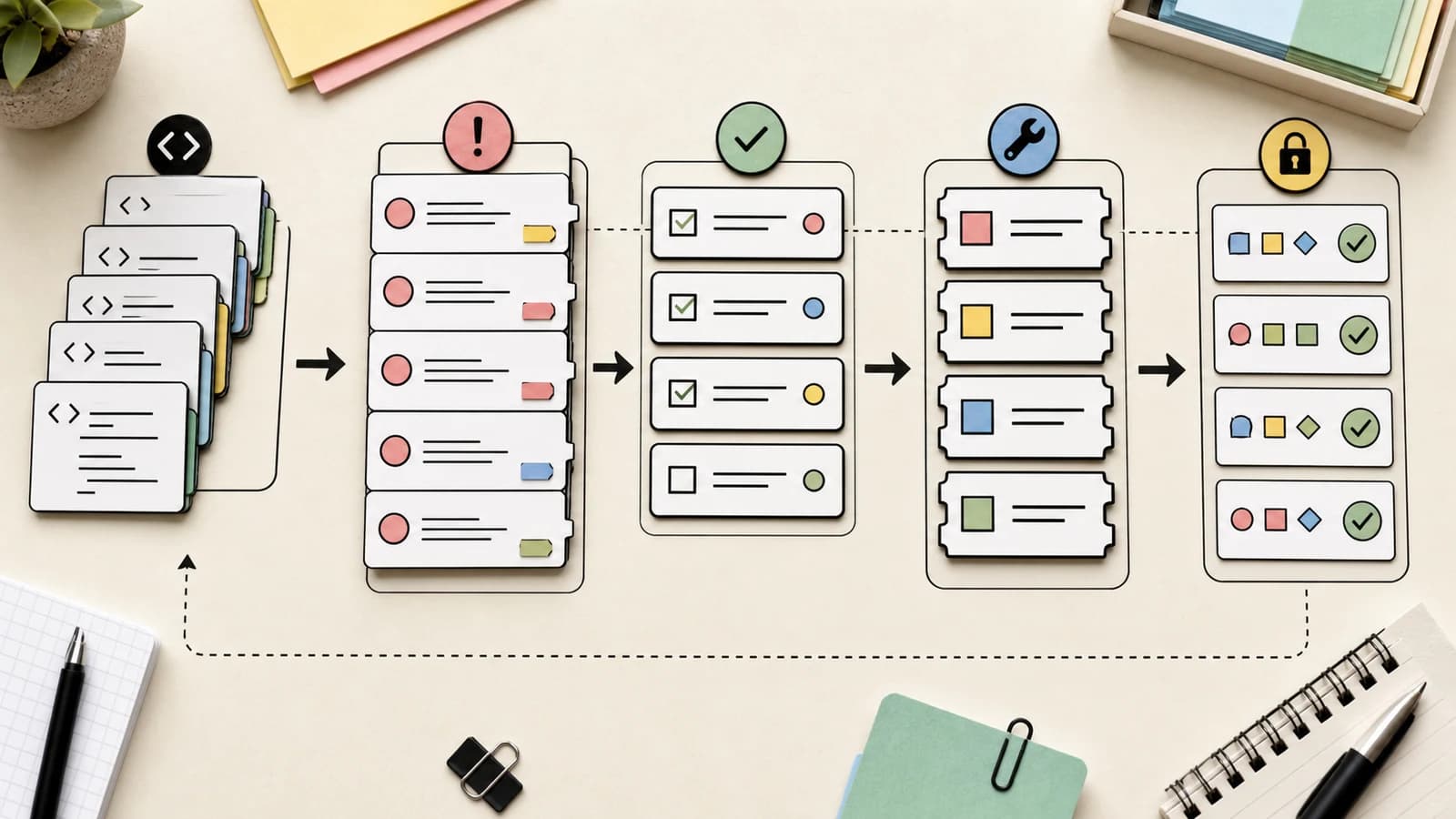
AI Security Scanners Move the Bottleneck to Triage
Anthropic's Project Glasswing update is a useful signal for developer teams: AI can find vulnerability candidates faster than humans can verify, disclose, patch, and ship them.
8 min read
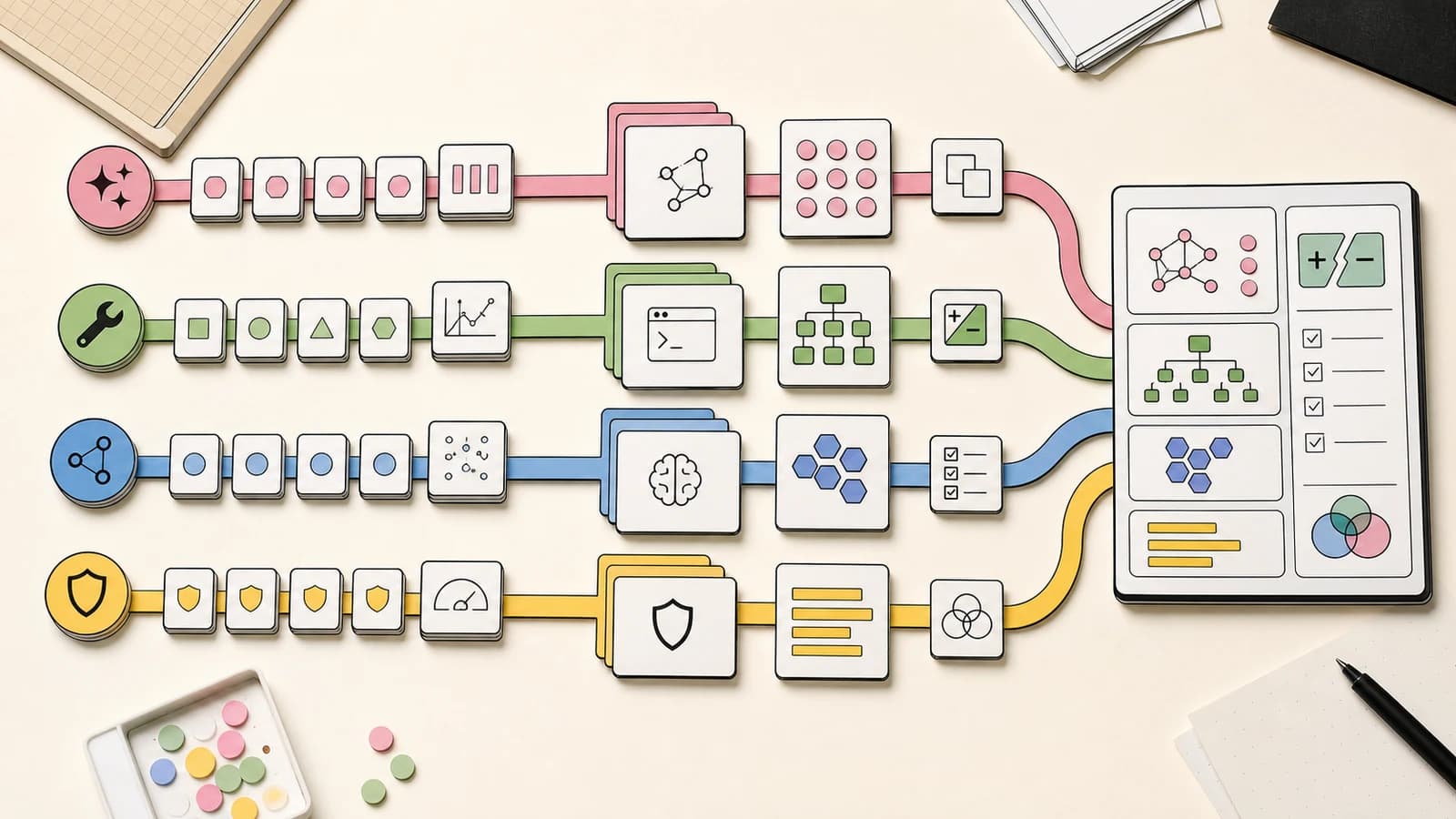
Multi-Stream LLMs Hint at the Next Agent Architecture
The Multi-Stream LLMs paper argues that agents are bottlenecked by single chat streams. The practical takeaway is not to rebuild everything today, but to design agent runtimes around separated channels.
8 min read
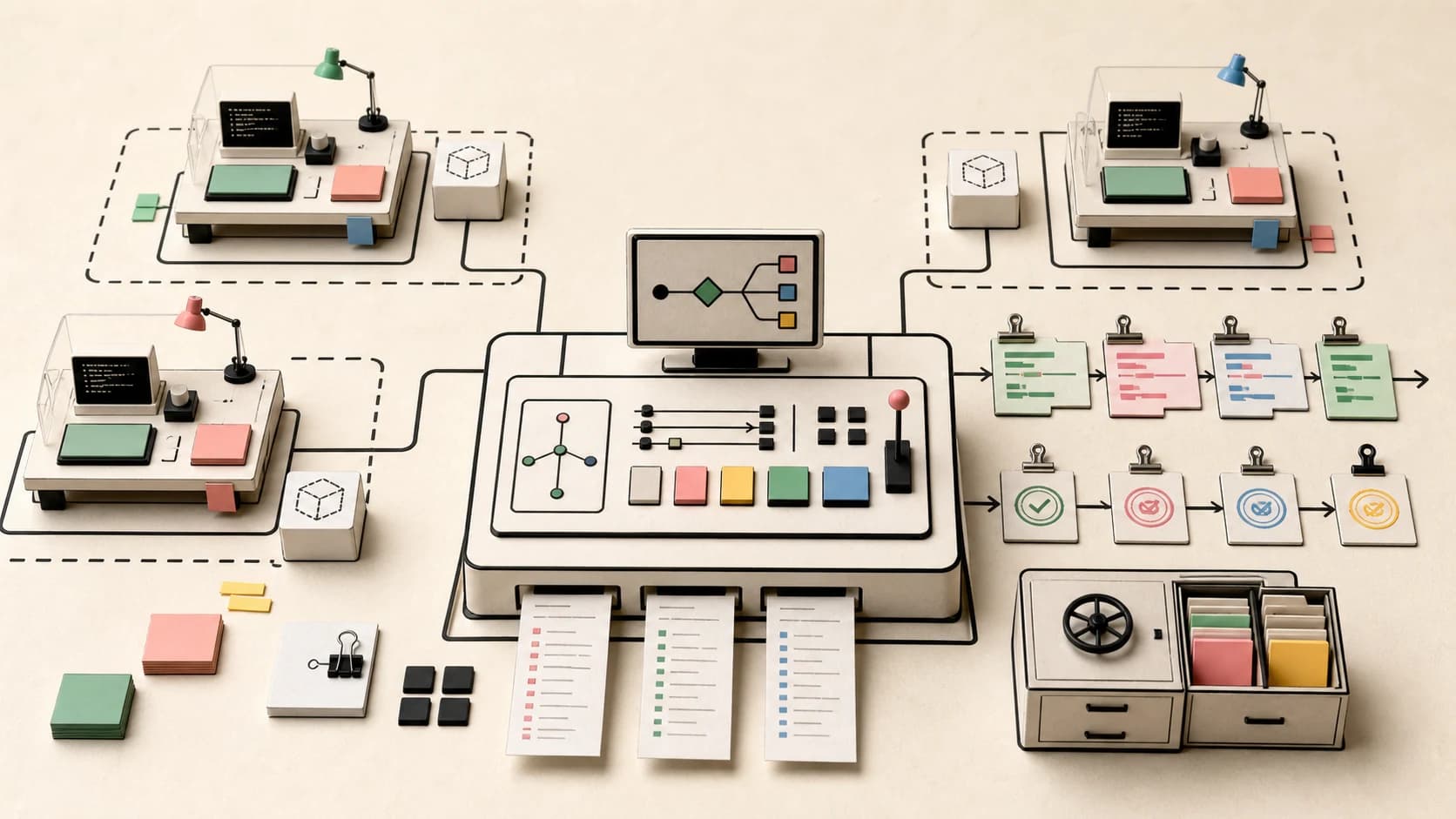
Sandboxed Agents Are Becoming the Team Control Plane
Runtime's Launch HN thread is a useful signal: teams do not just want isolated coding agents. They want a control plane for approvals, secrets, telemetry, review, and merge policy.
8 min read

Forge Shows the Local Agent Reliability Gap Is a Harness Problem
Forge hit the Hacker News front page with a strong claim: small local models can become much more useful at tool-calling when the harness catches structural failures, retries intelligently, and controls context.
7 min read
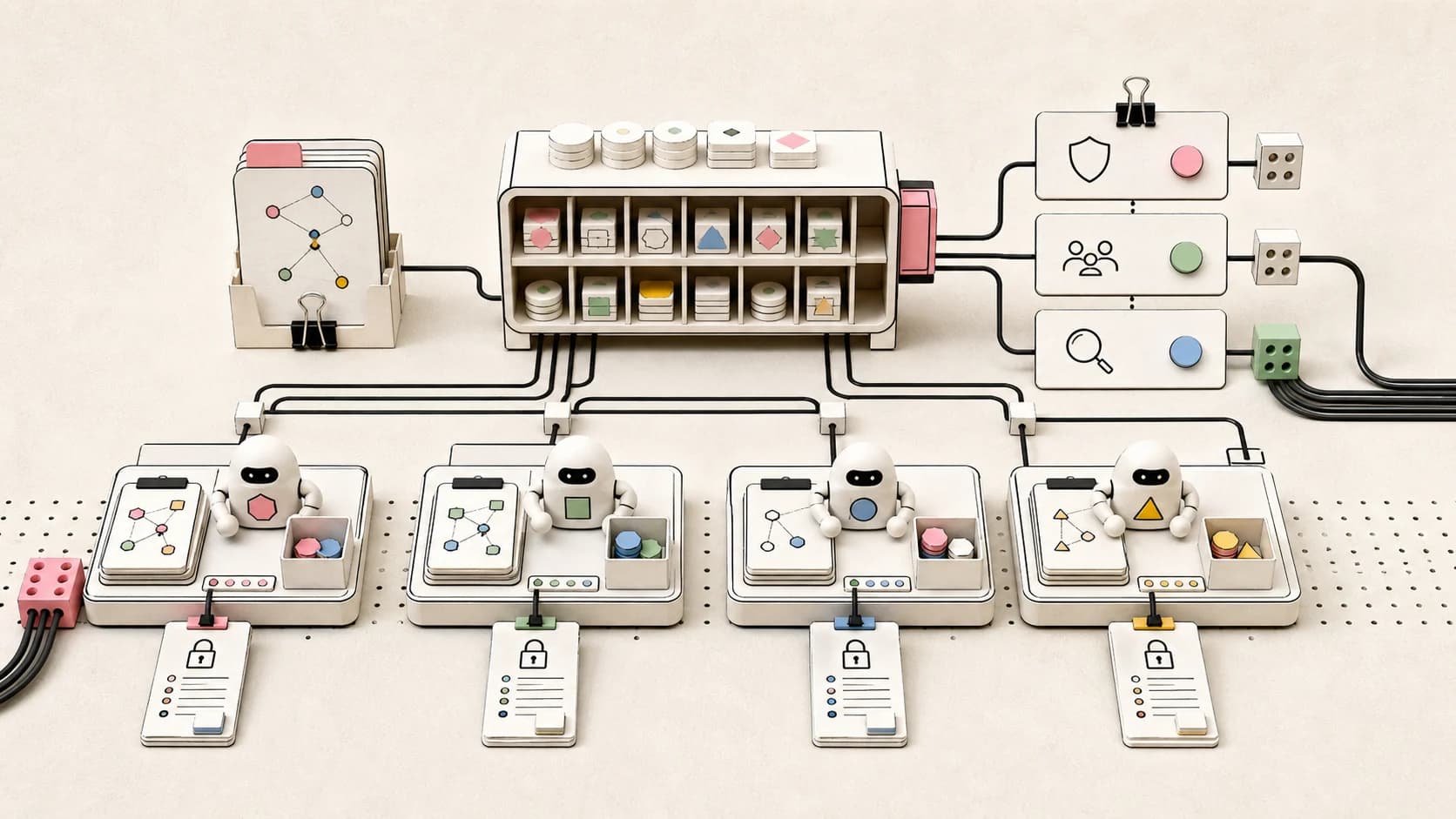
Agent Skills Are Becoming Package Managers
GitHub trending is full of agent skill registries. The winning pattern is not more prompts. It is dependency governance for the instructions your coding agents inherit.
8 min read
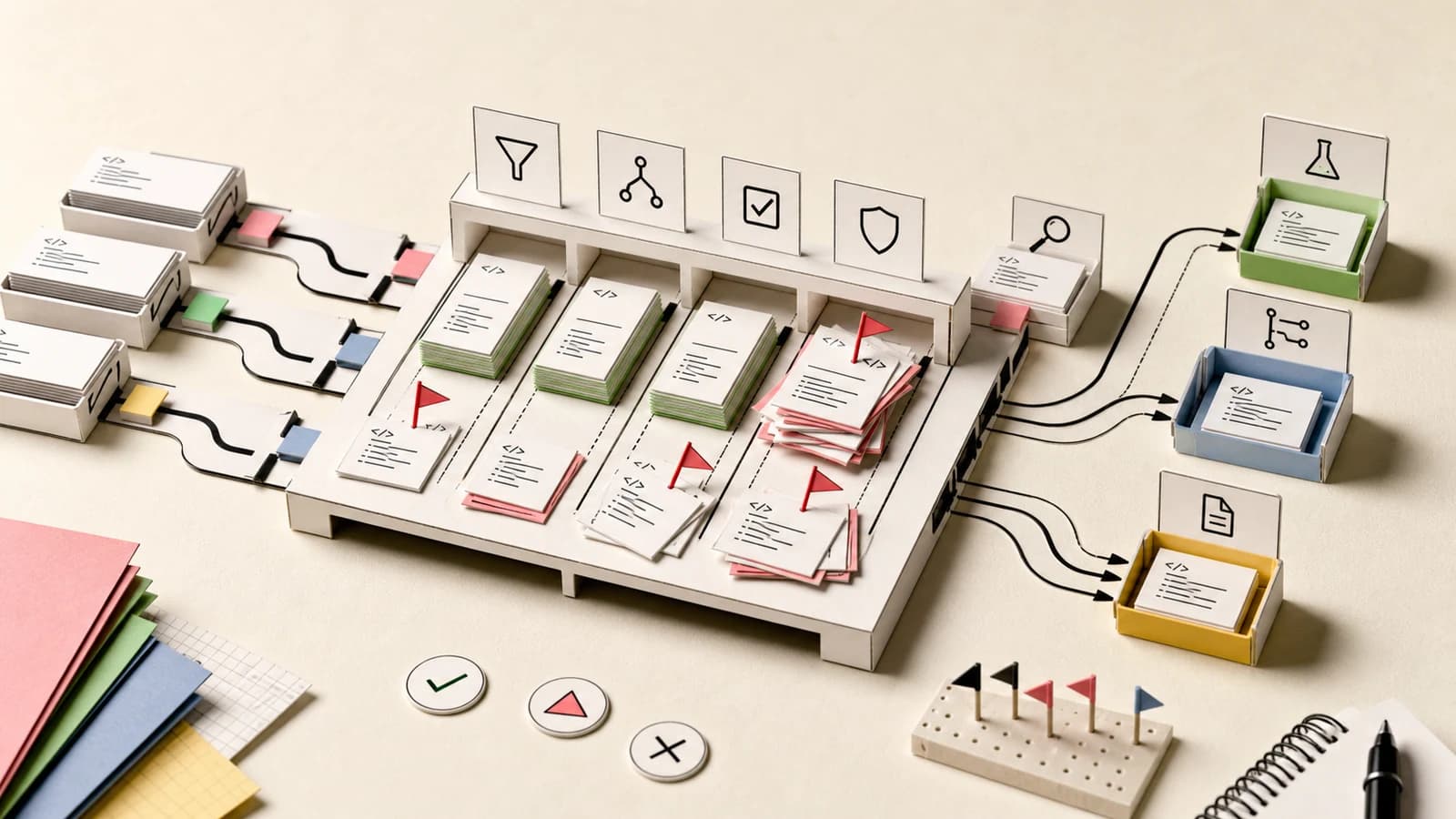
AI Code Review Is the New Bottleneck
Coding agents make code faster than teams can review it. The next advantage is not bigger prompts. It is review systems that force reproduction, small diffs, tests, and receipts.
8 min read

Skills for Real Engineers Need Governance, Not Fandom
Matt Pocock's skills repo is a useful signal for AI coding teams. The next step is treating skills like governed production controls, not a folder of viral prompts.
7 min read
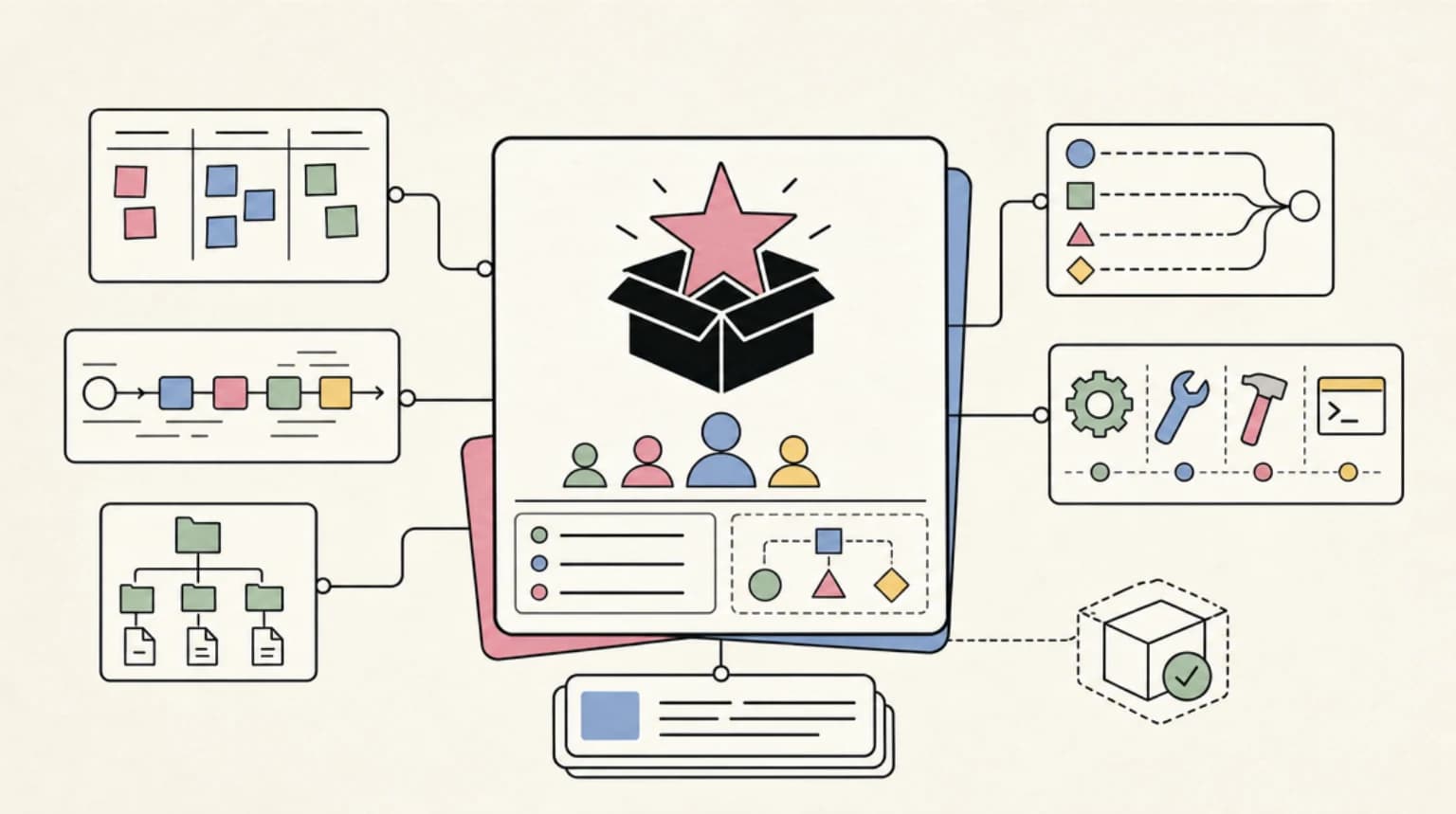
Matt Pocock's Skills Repo Is a Better Pattern Than Vibe Coding
Matt Pocock's Claude Code skills repo shows the useful direction for agent workflows: small, composable skills that encode engineering discipline instead of hiding it.
8 min read
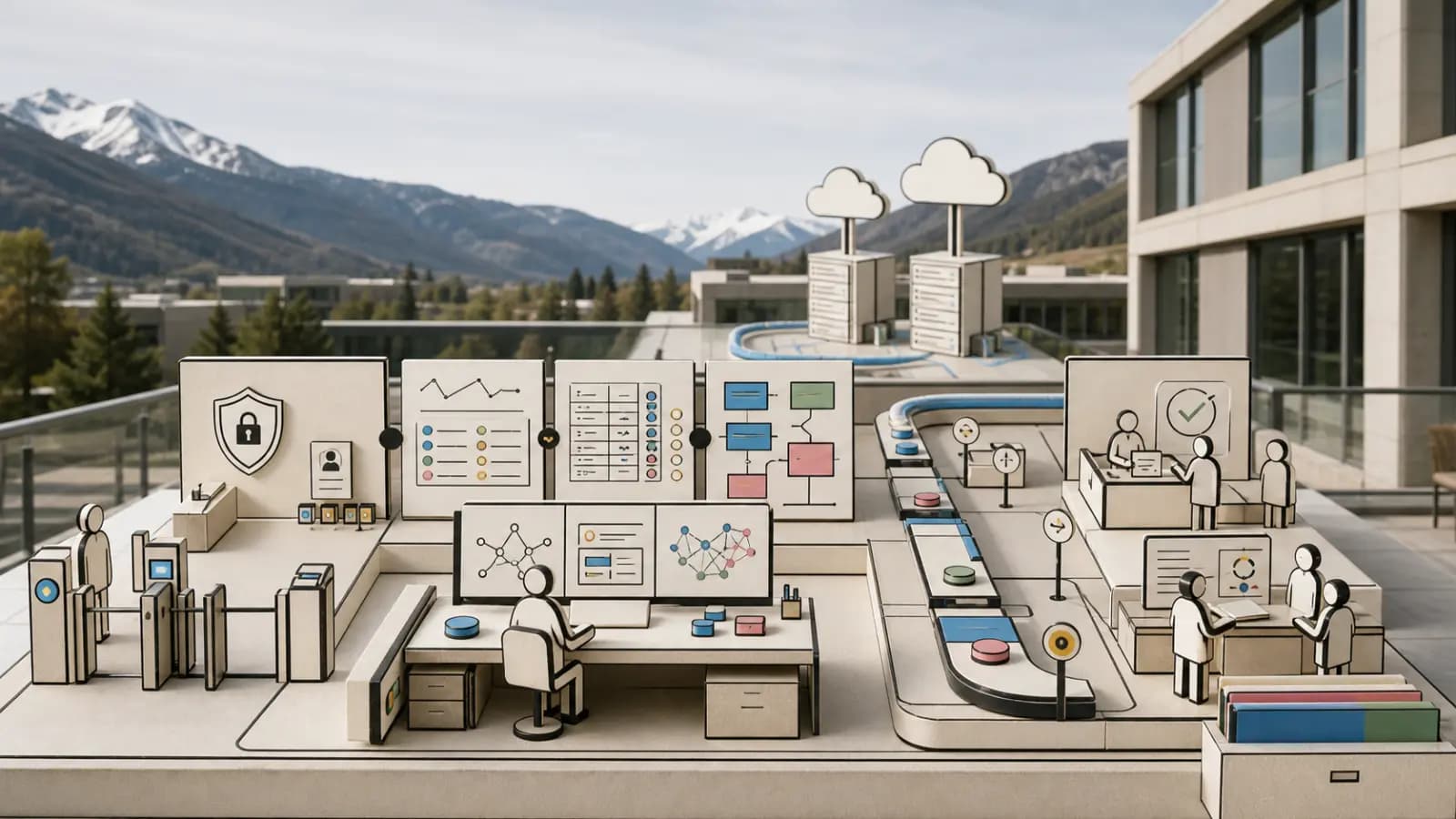
Claude Platform on AWS Is Enterprise Agent Plumbing, Not Just Procurement
Claude Platform on AWS matters because it moves agent adoption into identity, billing, commitments, and platform controls. That is where enterprise AI work gets real.
8 min read

TanStack's npm Compromise Is the CI Lesson Agent Teams Needed
The TanStack npm incident was not just a package-security story. It was a reminder that AI agent workflows inherit every weak trust boundary in CI.
9 min read
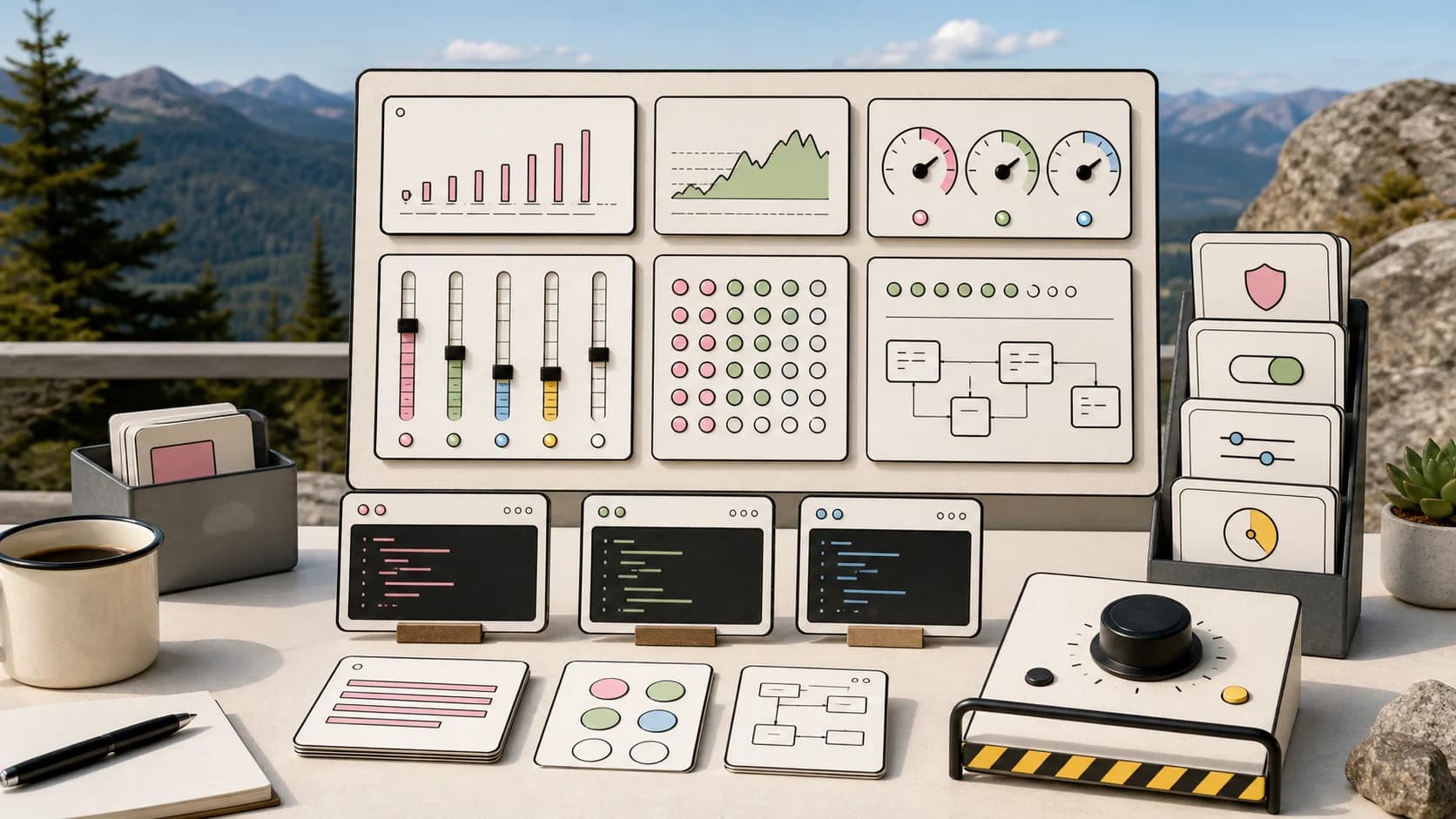
Claude Code Token Burn Is an Observability Problem
The latest Claude Code cache-burn debate is not just a quota complaint. It is a reminder that coding agents need cache-hit telemetry, spend ceilings, and repro-grade usage logs.
8 min read

Claude Code 2.1.128 Is an Ops Release, Not a Feature Drop
Claude Code 2.1.128 is full of small fixes around MCP, worktrees, OTEL, plugins, and permissions. That is exactly why it matters for teams running agents every day.
6 min read
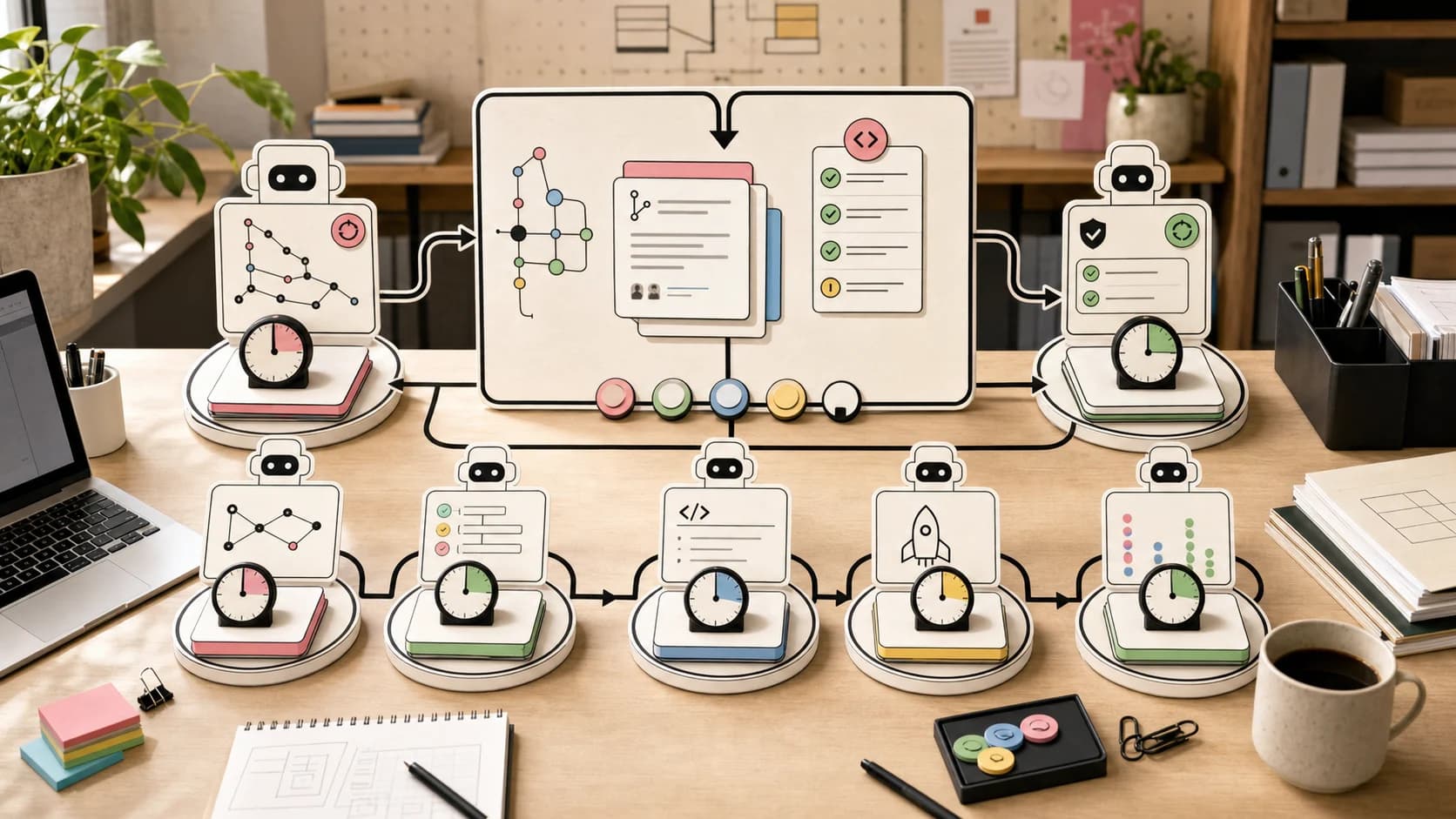
Codex Loops: What Boris Cherny Gets Right About Managing Agent Work
Boris Cherny's loop-heavy Claude Code workflow points at the next Codex content lane: recurring agents that babysit PRs, CI, deploys, and feedback streams.
8 min read

Codex SDK vs CLI vs GitHub Action: Which Surface Should You Build On?
Codex is no longer just a terminal agent. Here is when to use the Codex SDK, Codex CLI, or openai/codex-action, and how to avoid building the same agent loop three times.
8 min read

Free Claude Code Is Really a Model Gateway Bet
The trending Free Claude Code repo is not just about avoiding API bills. It points at a bigger developer-tool pattern: model gateways for AI coding agents.
7 min read

GPT Image 2 Prompt Libraries Are Becoming Production Infrastructure
The latest GPT Image 2 prompt-library repos are not just galleries. They point at a practical workflow for repeatable visual systems, agent-friendly templates, and cheaper creative iteration.
7 min read

Karpathy's Loopy Era Is the Best Way to Understand Codex
Andrej Karpathy's loopy era frame explains why Codex is becoming less like a chatbot and more like an agent loop manager for real software work.
9 min read

OpenAI's Codex Mac Certificate Deadline Is a Runbook Test
OpenAI's May 8 macOS certificate rotation for ChatGPT, Codex, Codex CLI, and Atlas is not just a one-off update. It is a useful test of how your team governs AI developer tools.
7 min read

Agent Skills Need Exit Criteria, Not More Prompt Lore
Addy Osmani's agent-skills repo is trending because it turns vague AI coding advice into reusable engineering checklists. The real value is not the markdown. It is the exit criteria.
7 min read
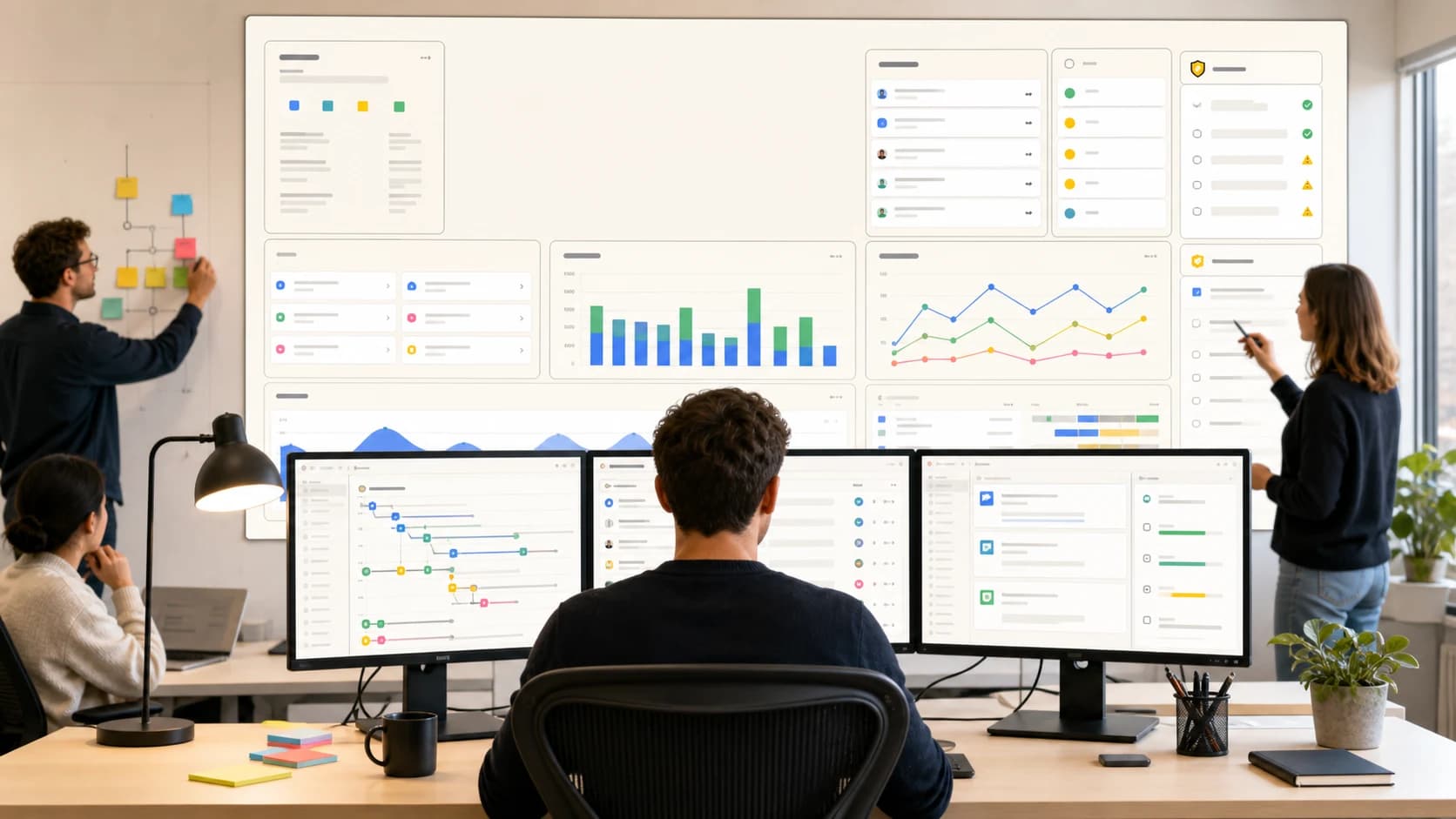
GitHub Copilot Agent Metrics Are the Real Product Update
GitHub's Copilot cloud agent updates are not just about autonomous coding. The bigger shift is usage metrics, session visibility, validation, and review quality.
7 min read
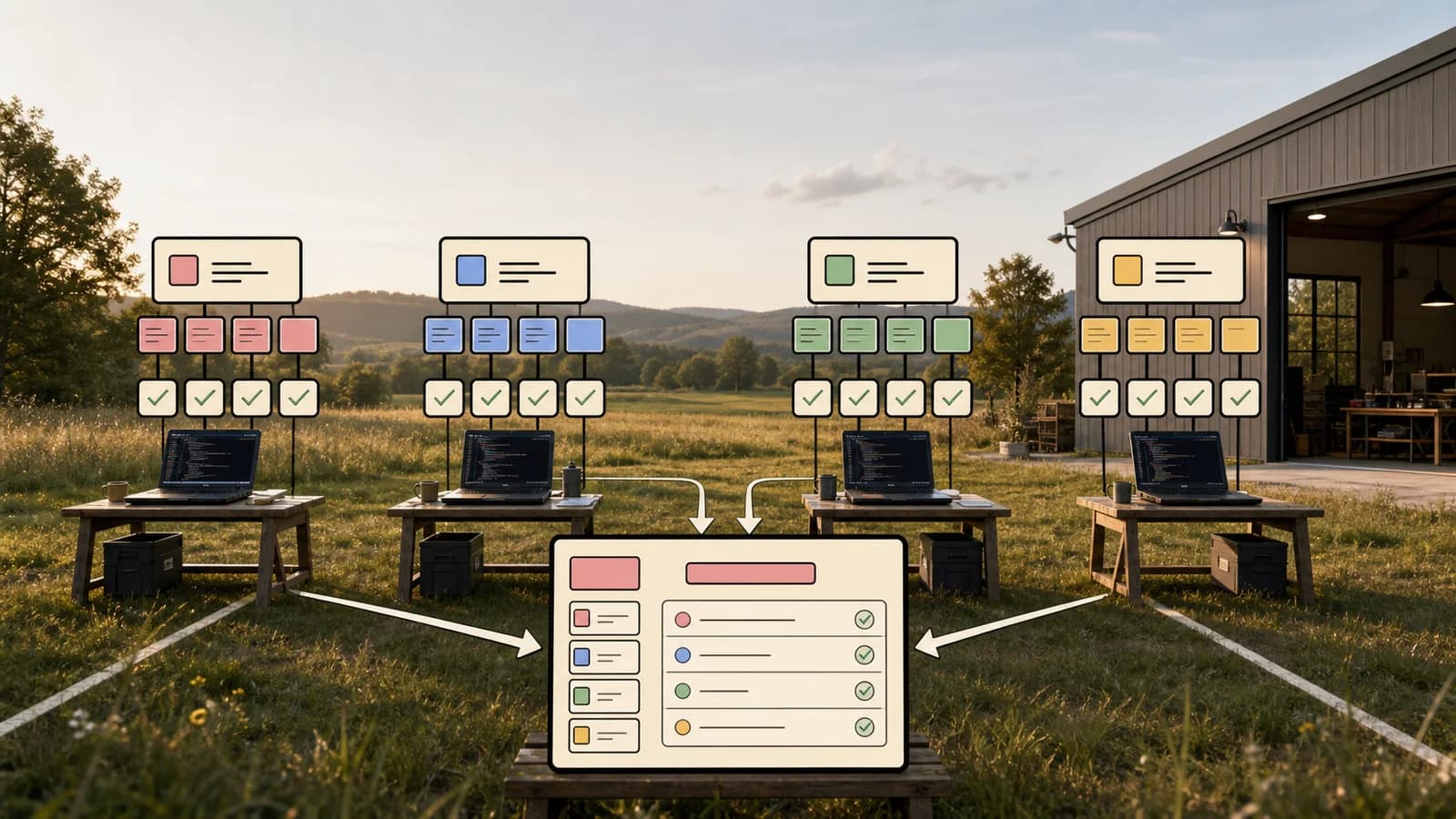
Parallel Coding Agents Need Merge Discipline
Parallel agents can move faster than one agent, but only when tasks have clean ownership, review receipts, and a merge path that does not turn speed into cleanup work.
7 min read
Agent Swarms Need Receipts
GitHub is filling with multi-agent frameworks, skills, and coding harnesses. The useful lesson is not that every team needs a swarm. It is that every agent needs receipts: tests, logs, diffs, and reviewable checkpoints.
8 min read

Approval Fatigue Is an Agent Security Bug
Manual approval prompts stop protecting users when coding agents ask too often. The better pattern is risk-aware autonomy: safe defaults, narrow deny rules, and approvals only for meaningful changes.
7 min read
Long-Running Agents Need Harnesses, Not Hope
A long-running coding agent is only useful if the environment around it can queue tasks, capture logs, checkpoint state, verify behavior, limit cost, and recover from failure.
9 min read
Skills Are How Agents Learn the Job
Skills turn a general coding agent into a trained teammate by packaging runbooks, scripts, examples, and domain-specific judgment into reusable instructions.
7 min read

Skills Are the New Agent Operating System
GitHub trending is full of agent skill frameworks. The real shift is not bigger prompts or more agents. It is turning team process into inspectable, reusable operating instructions.
9 min read

Best Claude Code Skills in 2026: A Curated Directory
A curated list of the Claude Code skills worth installing in 2026, with real install paths, what each one does, and how to build your own when nothing in the directory fits.
10 min read
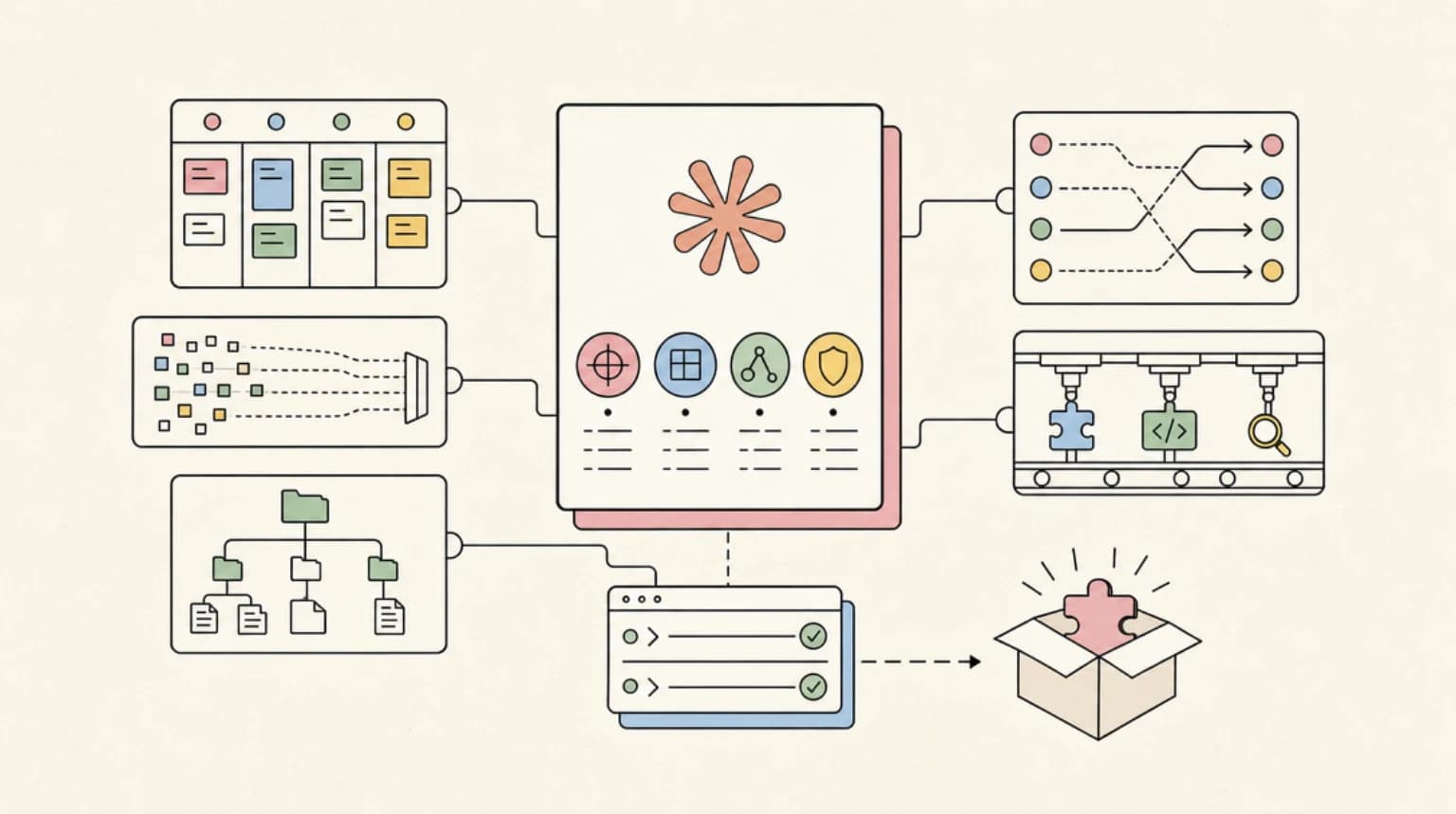
Karpathy Skills Show Why CLAUDE.md Is Product Surface Now
The viral Karpathy-style CLAUDE.md repo is not just a prompt trick. It shows why agent instructions, skills, plugins, and repo rules need ownership, review, and receipts.
8 min read
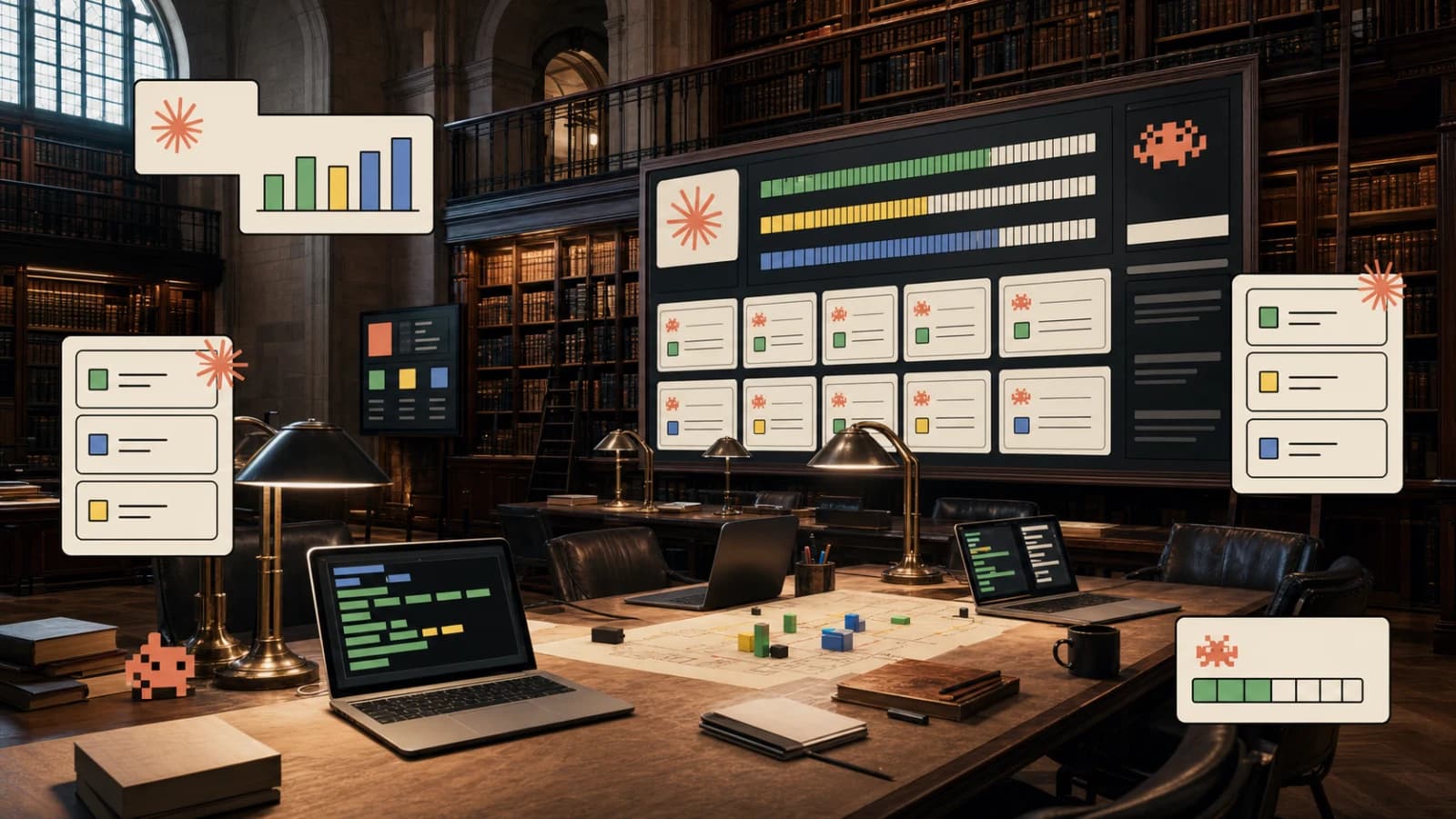
Claude Code Usage Limits in 2026: The Practical Playbook for Pro and Max Teams
A practical operational guide to Claude Code usage limits in 2026: plan behavior, API key pitfalls, routing choices, and team controls using hooks and subagents.
9 min read
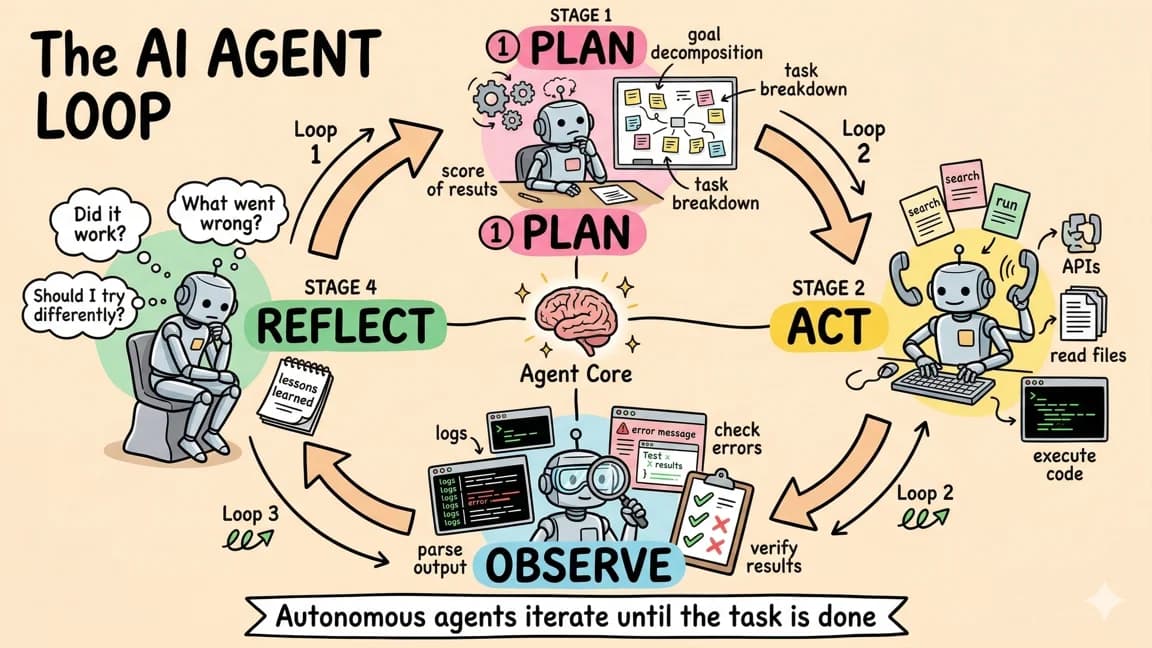
OpenAI Codex Cloud Security Playbook 2026: Internet Access, Prompt Injection, and Safe Defaults
A practical security playbook for running Codex cloud tasks safely in 2026 using OpenAI docs: internet access controls, domain allowlists, HTTP method limits, and review workflows.
10 min read

Why Skills Beat Prompts for Coding Agents in 2026
The coding-agent workflow is maturing past giant hand-written prompts. The winning pattern in 2026 is a control stack: project rules, reusable skills, bounded sub-agents, and deterministic tools around the model.
9 min read
Keep exploring
More on Developer Workflow
- - Compare Tools - dive deeper across the Developers Digest knowledge base
- - All Developer Workflow articles in the blog archive
- - Developers Digest on YouTube - video tutorials covering Developer Workflow and more
Get Smarter About AI Dev
New tutorials, open-source projects, and deep dives on coding agents - delivered weekly.
One email per weekReal code, not theoryFree forever
Explore 688 topics
Browse All Topics