7 min read
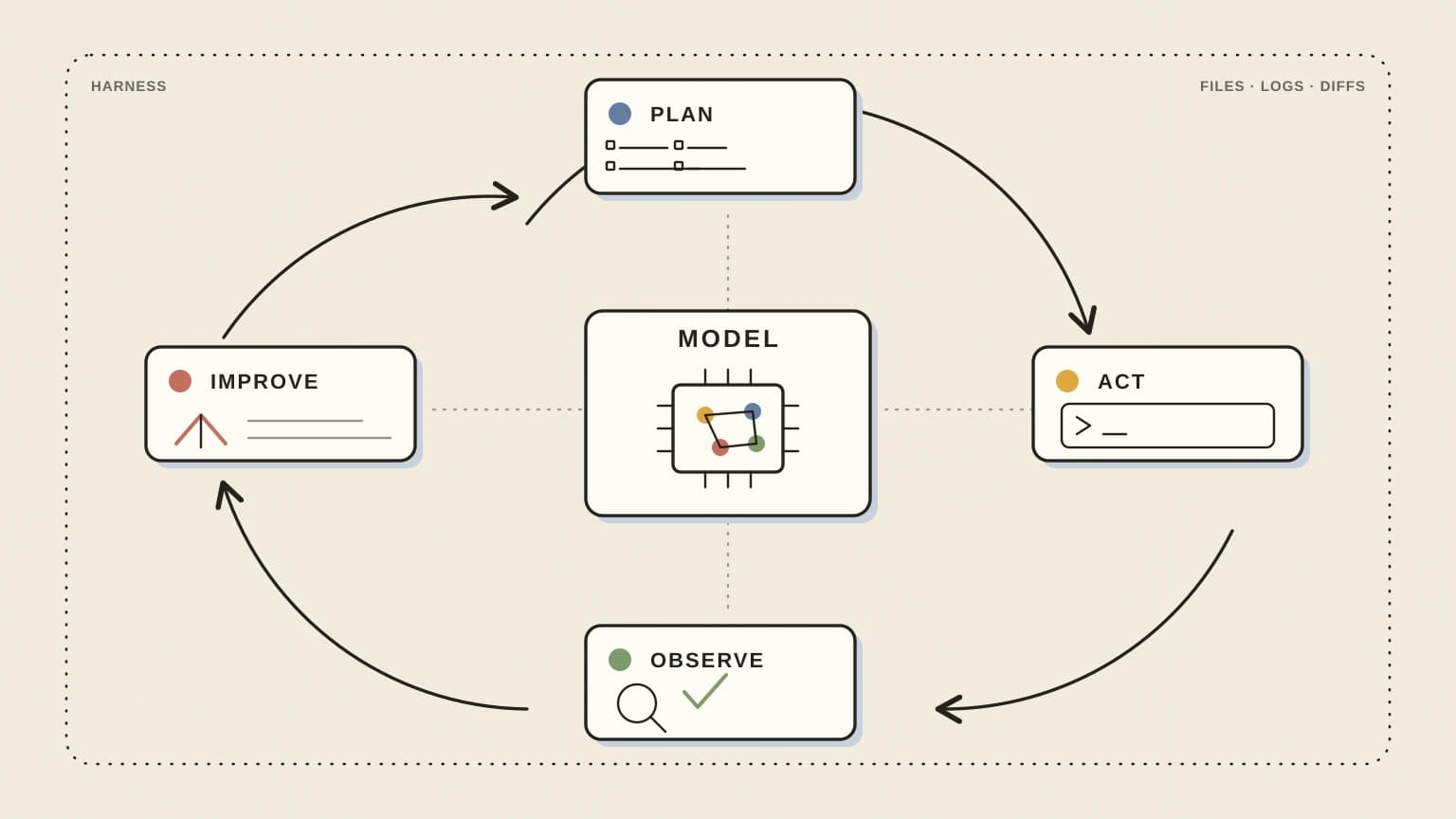
Harness Engineering and the Path to Self-Improving AI
Lilian Weng argues self-improving AI won't start with models rewriting their weights - it starts with the harness. Here's what that means for developers building agents.
201 articles
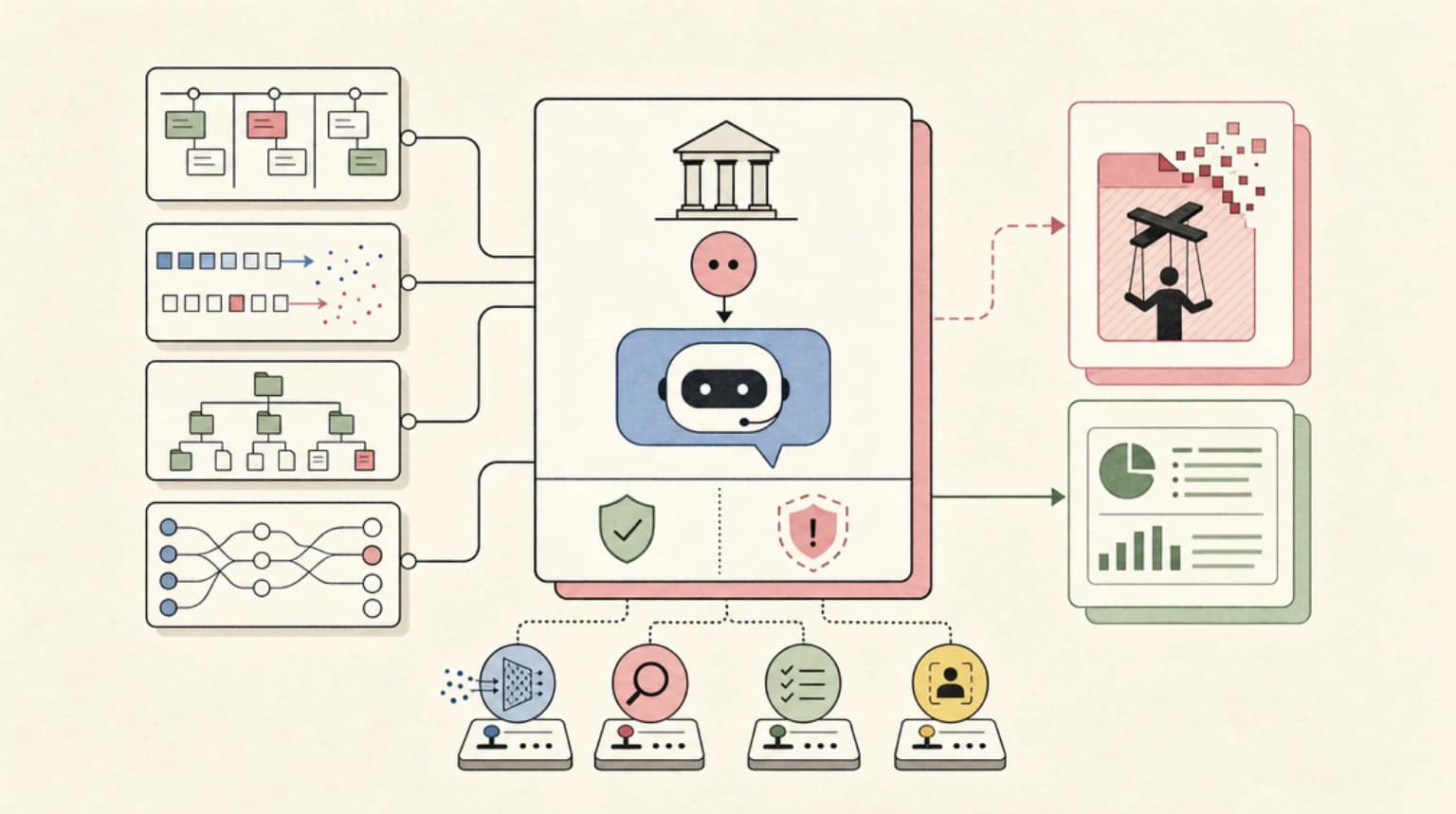
Security researchers discovered a prompt injection vulnerability in GitHub's Agentic Workflows that allows attackers to extract private repository contents through public issues.
Lilian Weng argues self-improving AI won't start with models rewriting their weights - it starts with the harness. Here's what that means for developers building agents.
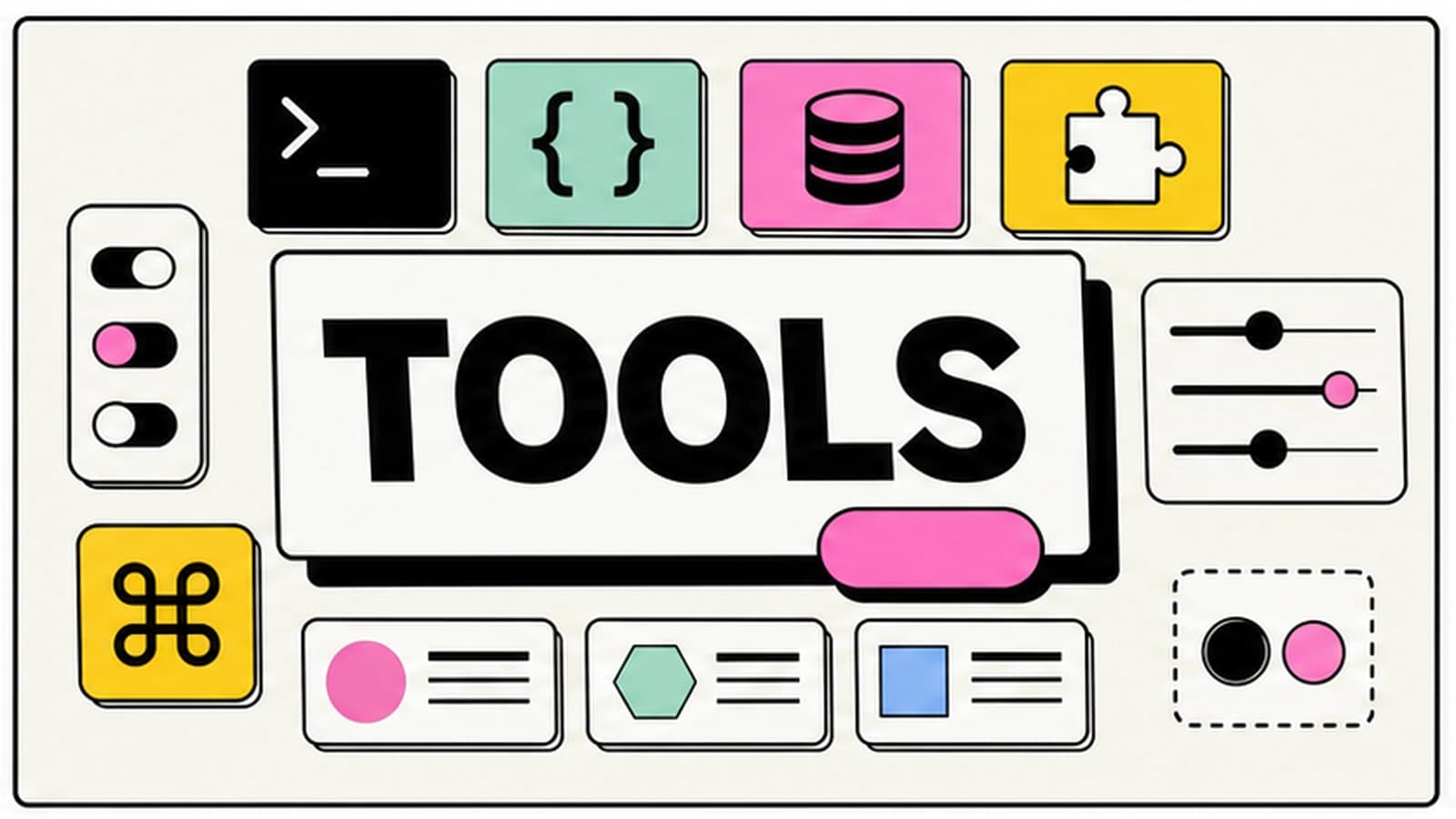
Microsoft Execution Containers (MXC) give your AI agents policy-driven sandboxing across Windows, Linux, and macOS. TypeScript SDK, JSON config, multiple isolation backends. Here is how to use it.
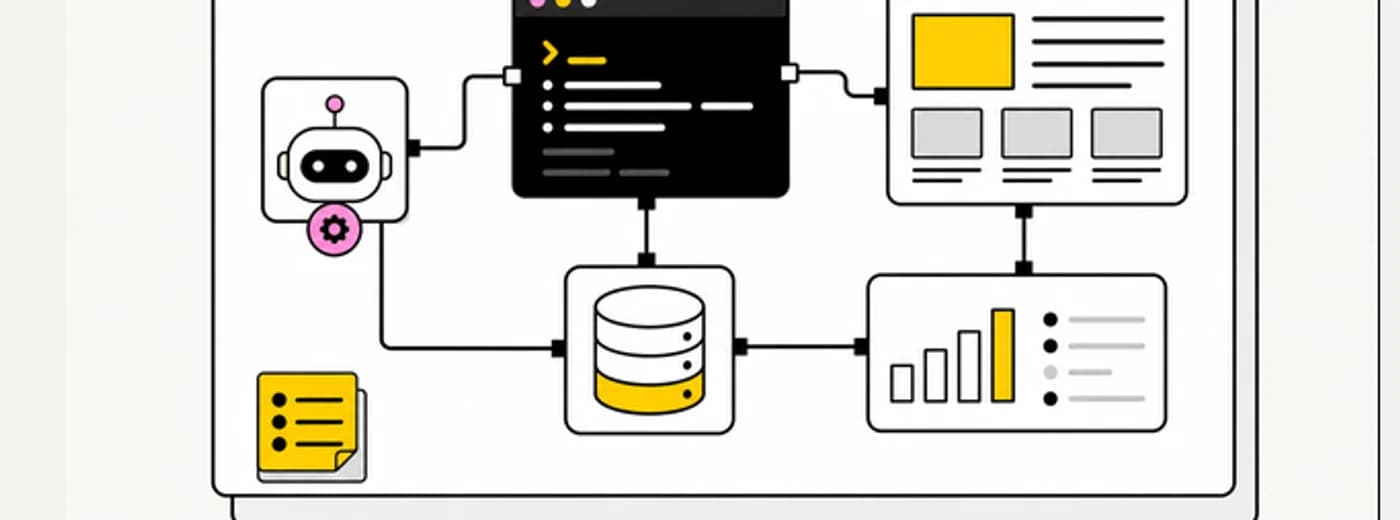
Claude Code and Codex both ship great agents and terrible transcripts. AgentCanvas is a visual adapter that puts the artifacts, decisions, and handoffs on one board so the next agent and the next human can see them.
DeepSeek, Kimi, and GLM are cheap enough to run as sidecar subagents for drafts and exploration. The catch is that cheap work you cannot inspect is just expensive noise. A shared canvas makes the output reviewable.
MCP makes tools callable by agents. That solves invocation. It does not solve visibility. The next agent and the next human still need to see what the tool calls produced, and a transcript is the wrong place for that.
Skills gave an agent what to know. The missing half is what role to play. Agent Studio lets you author subagents next to your skills in one place, serve both over the same MCP endpoint with the same progressive disclosure, browse them over REST and the dd CLI, and publish them to the community under a moderation loop. Here is the design and why the two belong in one studio.

Describe an app in plain language and get a working single-file build back with a live sandboxed preview. Revise it by talking to it, share it with a link, or download the file. Here is what single-file buys you, how revisions work, the honest limits, and what it costs.
Skills, files, memory, and generation do not need four integrations. They need one MCP endpoint with tiered disclosure, one API key that scopes everything to its owner, and one credit balance. The same tools answer to an MCP client, an in-product chat, and a CLI. Here is the whole architecture, and why it is the shape that makes a fleet of agents coherent.
A fair, sourced comparison of the memory layers developers reach for in 2026: Mem0's extract-and-retrieve, Zep's temporal knowledge graph, Letta's self-editing agent memory, and Cloudflare's Durable Objects primitive. Architecture, pricing, the benchmark disputes, and which to pick for your agent.

A decision framework for 2026: MCP servers give an agent access to a live system, Agent Skills teach it how to do a task. Here is when to build each, when to build both, and the criteria that actually decide it, grounded in the MCP spec and Anthropic's skills docs.

OpenAI's workplace agent data points to a practical shift: non-developers are starting to use agents for real work, so engineering teams need paved paths, policy, and receipts.
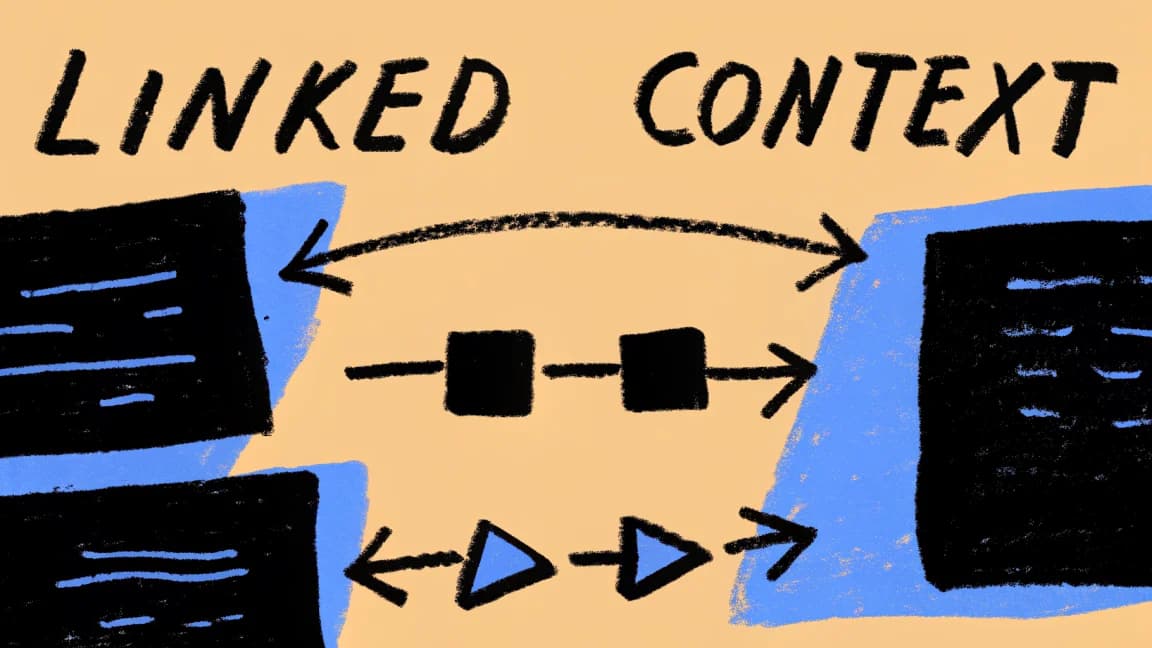
The first version of skills-over-MCP served a fixed first-party catalog. Skill Studio extends it two ways: anyone can author skills that ride the same progressive-disclosure endpoint scoped to their own API key, and a skill file can be a link instead of a copy - a URL whose bytes are only fetched at the moment an agent decides it needs them. Progressive disclosure stops at the skill boundary no longer. It runs out to the open web.
Showing 12 of 200 articles
New tutorials, open-source projects, and deep dives on coding agents - delivered weekly.
Explore 688 topics
Browse All Topics