Topic
HACKER NEWS
All blog posts, tools, and guides about Hacker News from Developers Digest.
64 resources - 64 posts
Blog Posts
View in blog →
GitLost: How Researchers Tricked GitHub's AI Agent Into Leaking Private Repos
Security researchers discovered a prompt injection vulnerability in GitHub's Agentic Workflows that allows attackers to extract private repository contents through public issues.
7 min read
Kokoro: Local, CPU-Friendly TTS That Actually Sounds Good
An 82M parameter text-to-speech model that runs on CPU and produces high-quality speech across multiple languages - no cloud APIs or GPU required.
6 min read

Astro 7.0: Rust Compiler, Vite 8, and Up to 61% Faster Builds
Astro 7.0 rewrites core components in Rust, upgrades to Vite 8 with Rolldown, and delivers significant performance gains for content-heavy sites.
6 min read
Better Auth Joins Vercel: What It Means for the Auth Ecosystem
Vercel acquires the open-source authentication framework that became the go-to Next.js auth solution. HN weighs in on open source sustainability and vendor lock-in concerns.
5 min read
GLM 5.2 and the AI Margin Collapse Thesis
Martin Alderson's argument for why open-weights models like GLM 5.2 will compress frontier lab margins is sparking debate on HN. Here is what the thesis actually says, where HN agrees and disagrees, and why it matters for developers choosing models.
7 min read

Ilya Sutskever's 30 Papers: The Reading List That Covers 90% of What Matters
A CS student built 30papers.com to make Ilya's legendary ML reading list more accessible. HN has thoughts on the source, the format, and why compression equals intelligence.
7 min read
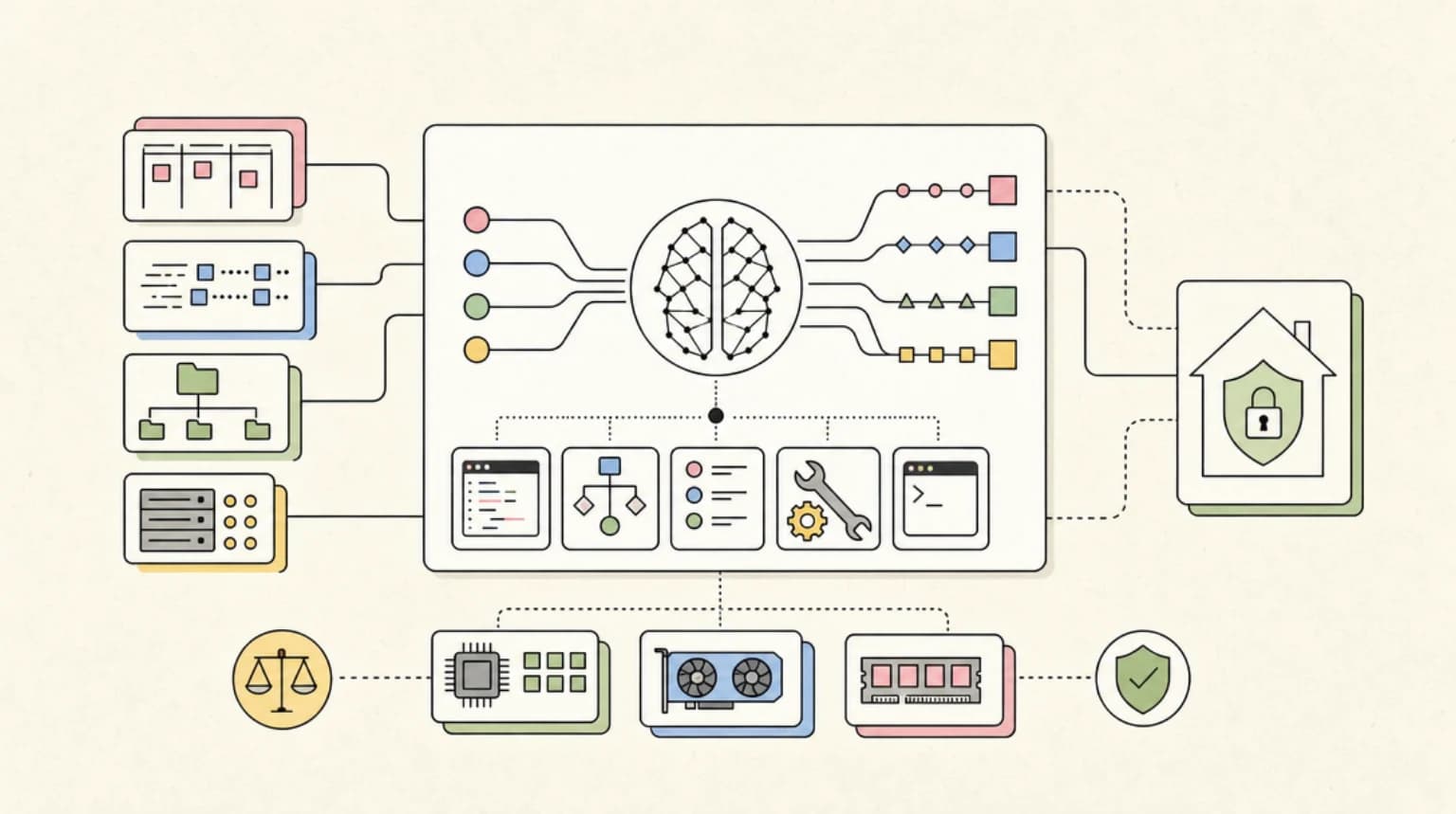
Small AI Models Are Finding Real Users Where Networks Fail
IEEE Spectrum reports on pharmaceutical AI running on handheld devices. HN debates emergency kits, domain-specific models, and whether AGI will emerge from scaling or specialization.
6 min read
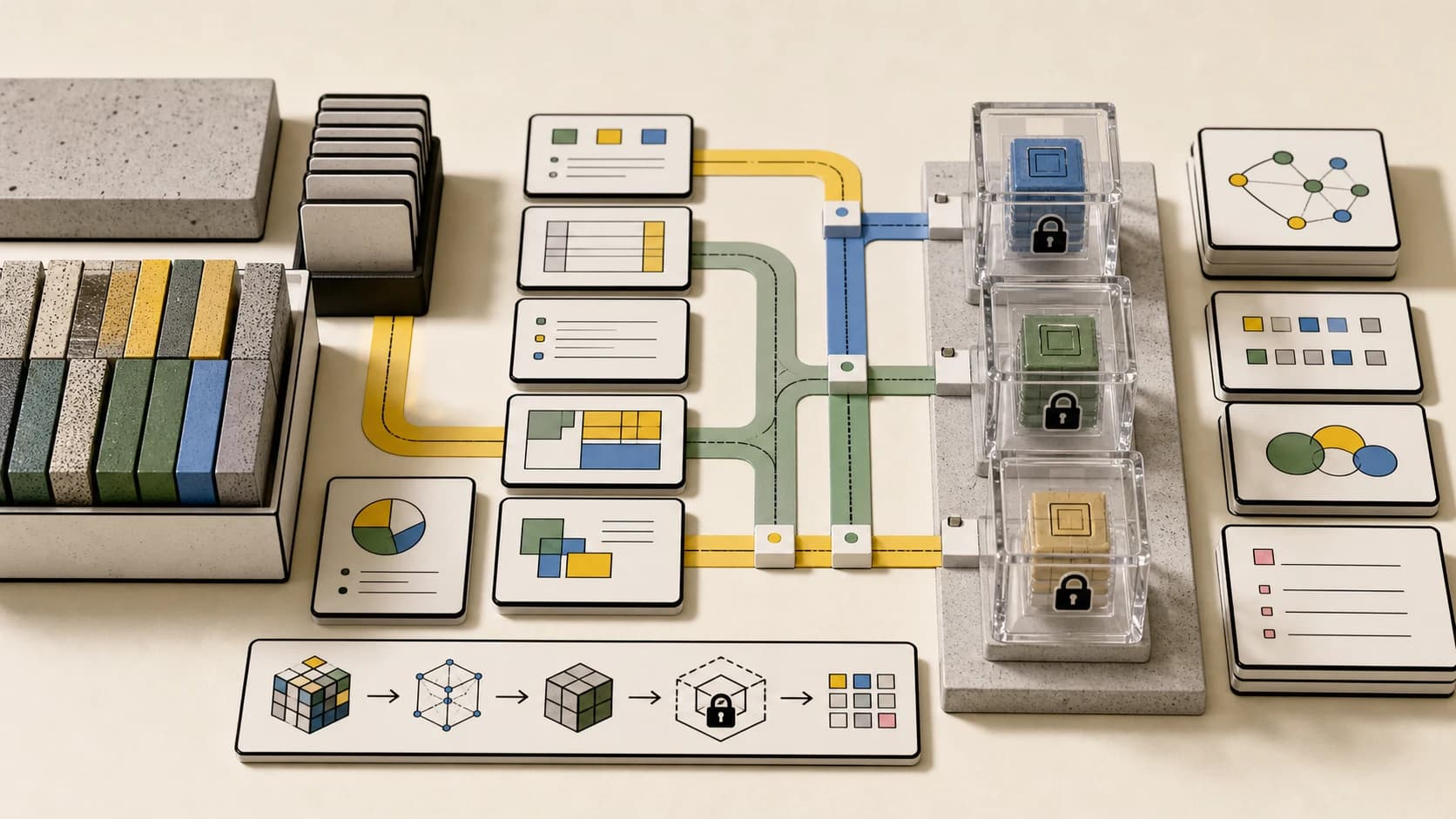
Ternlight: A 7 MB Embedding Model That Runs Entirely in the Browser
Ternlight ships a ternary-quantized sentence encoder at 7 MB that runs semantic search at 5ms per embedding - entirely client-side via WASM, no API calls required. Here is how it works, what HN thinks, and where browser-side embeddings make sense.
6 min read
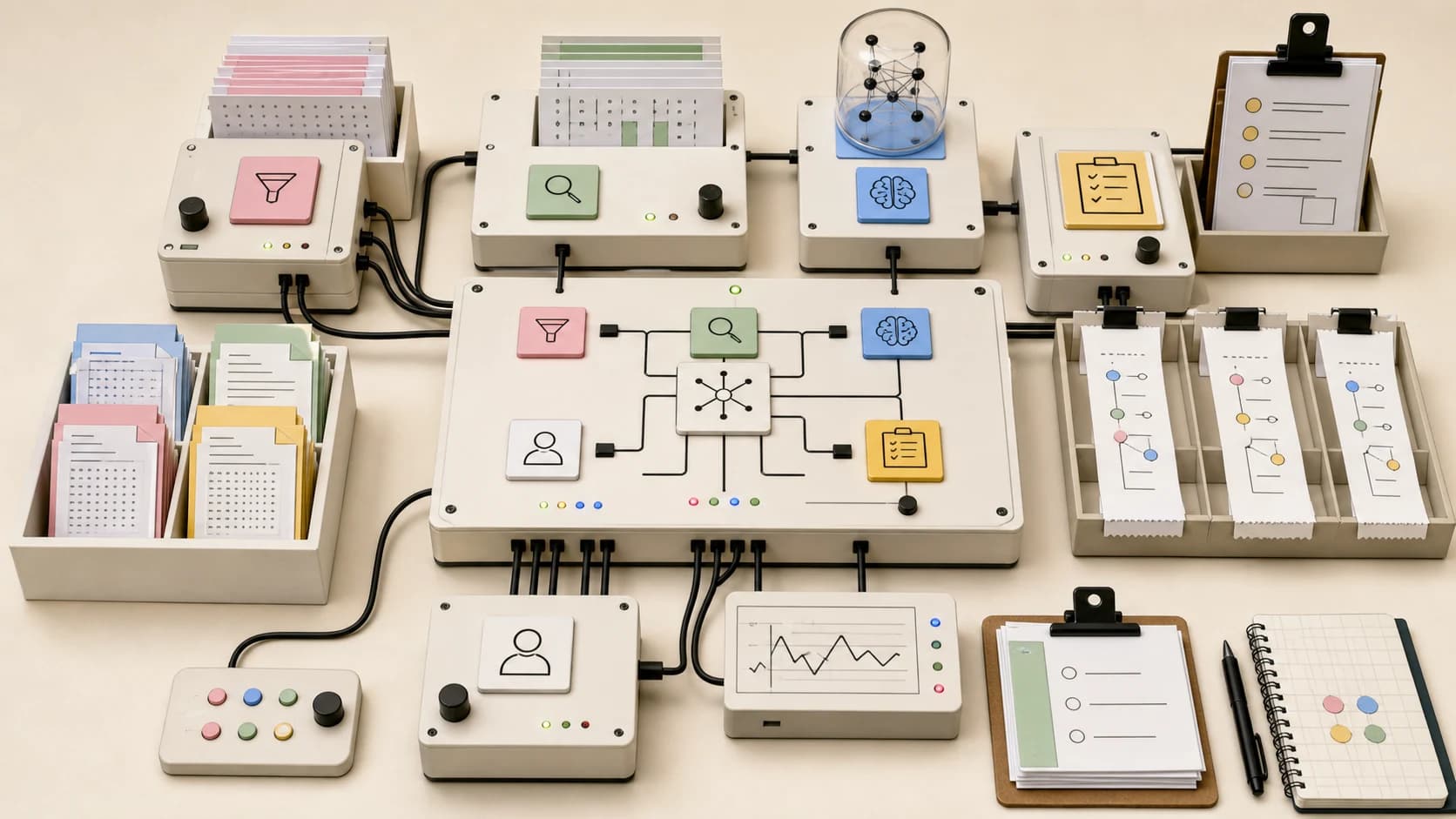
AI Tutor Shows 0.71-1.30 SD Effect Size in Dartmouth Statistics Course
A new study from Dartmouth measures the impact of an AI tutoring platform on introductory statistics performance. Full engagement with the system correlated with significant exam score improvements, though selection bias remains a key limitation.
8 min read
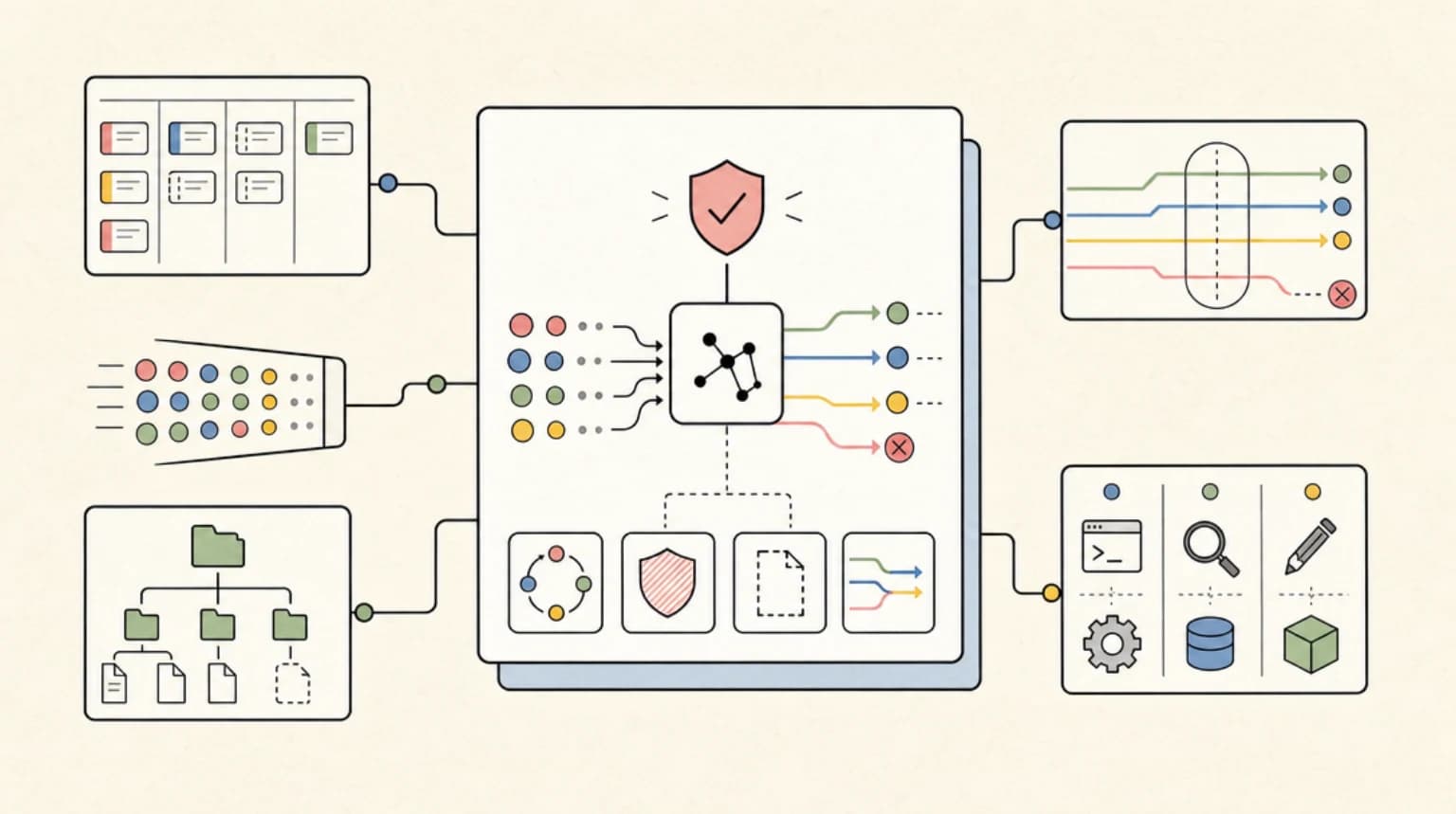
Anthropic Discovers J-Space: A Global Workspace Inside Language Models
Anthropic's new research reveals LLMs have an internal 'workspace' for silent reasoning - and it could change how we build safer AI.
8 min read

Clean Code Makes AI Agents 34% More Efficient - New Research
A controlled study of 660 Claude Code trials shows clean codebases reduce token usage by 7-8% and file revisitations by 34%, while pass rates stay the same. Traditional maintainability principles still matter in the age of AI coding.
7 min read

Elm's Road to 1.0: Faster Builds and the Acadia Future
After years of quiet development, Evan Czaplicki outlines the path to Elm 1.0 - starting with 0.19.2's compiler performance gains and previewing equatable and hashable types from the Acadia project.
5 min read
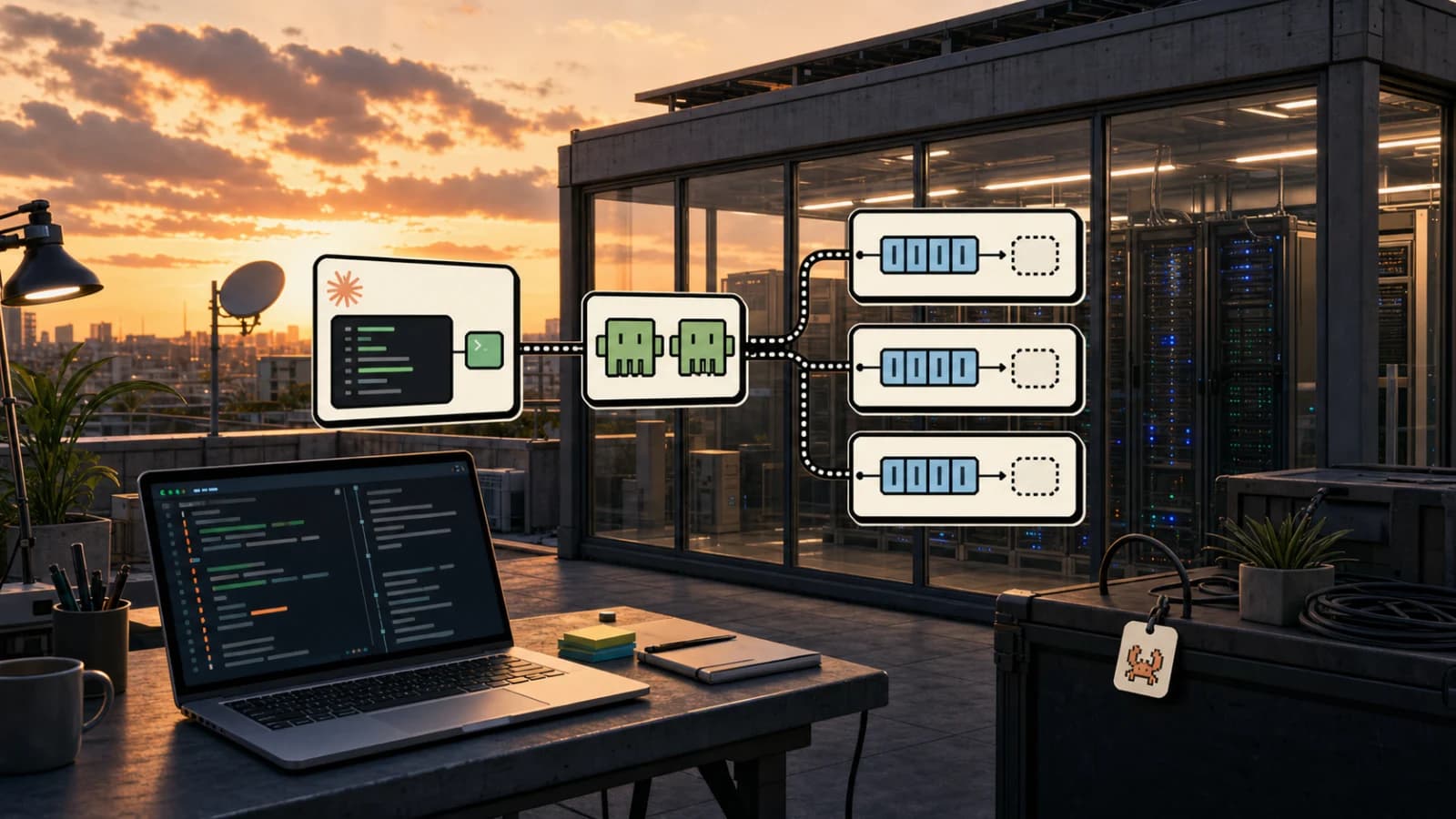
GPT-5.6 Sol Ultra Coming to Codex with Cooperative Subagents
OpenAI teases its most capable coding model yet - Sol Ultra uses trained subagents that communicate during tasks, reportedly hitting 91.9% on Terminal-Bench 2.1.
5 min read
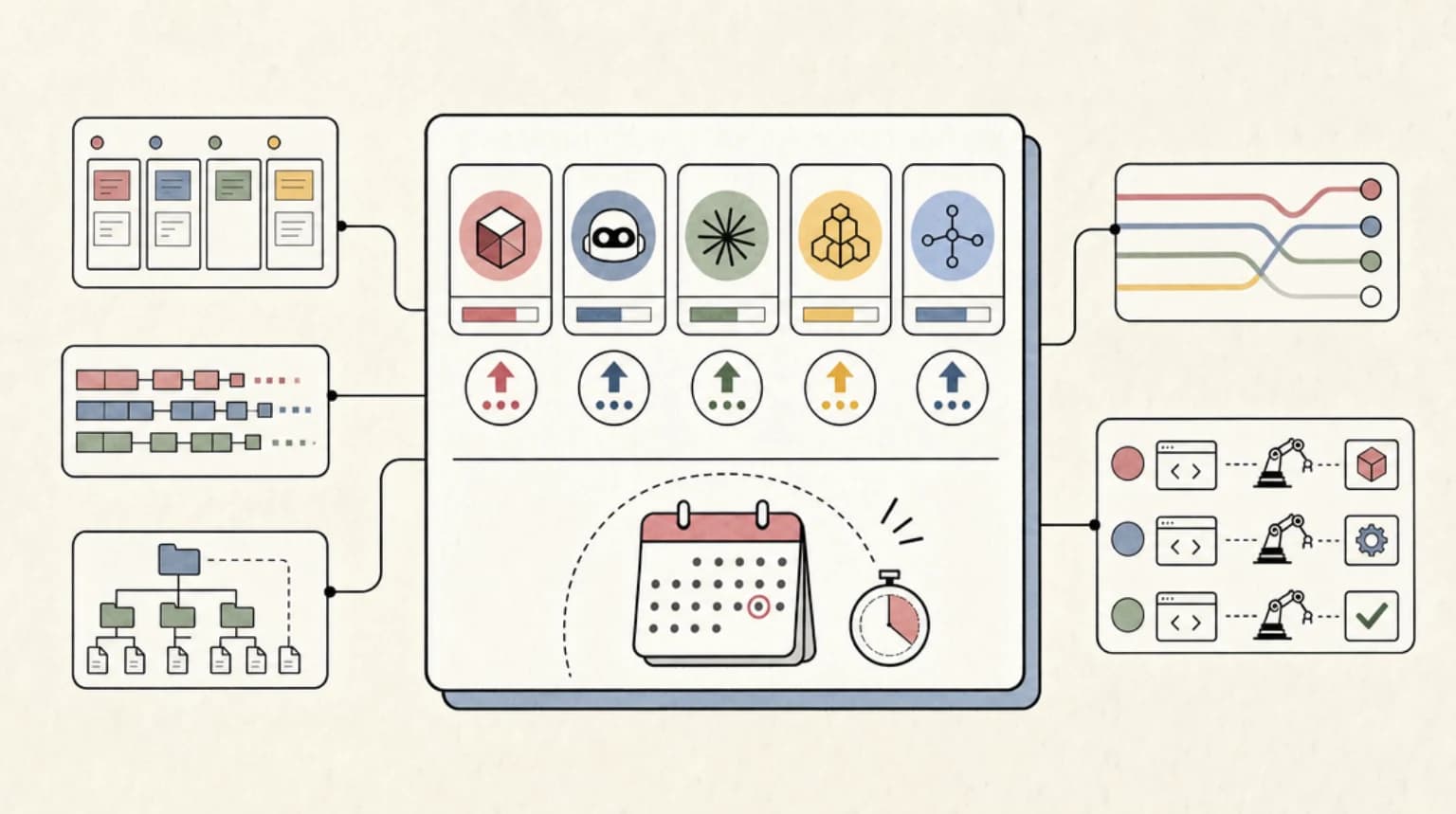
Why Price Per 1M Tokens Is a Misleading Metric for LLM Costs
Comparing LLMs by token pricing alone can lead you to choose worse, more expensive models. Cost per task tells the real story.
6 min read

If You're a Button, You Have One Job: The Case for Responsive UI
A simple image rotation button reveals deep truths about responsive interface design - why buttons must always respond predictably, even during animations.
6 min read

Flipper Zero Shifts to Community-Driven Development
Flipper Devices announces their firmware hit 1.0 stability and outlines a new community contribution model - while HN debates whether 'done' software is actually a good thing.
5 min read

A Free Compilers Textbook That Actually Teaches You to Build One
Douglas Thain's Introduction to Compilers and Language Design is a free undergraduate textbook that walks you through building a real compiler from scratch - and HN developers are enthusiastic.
6 min read
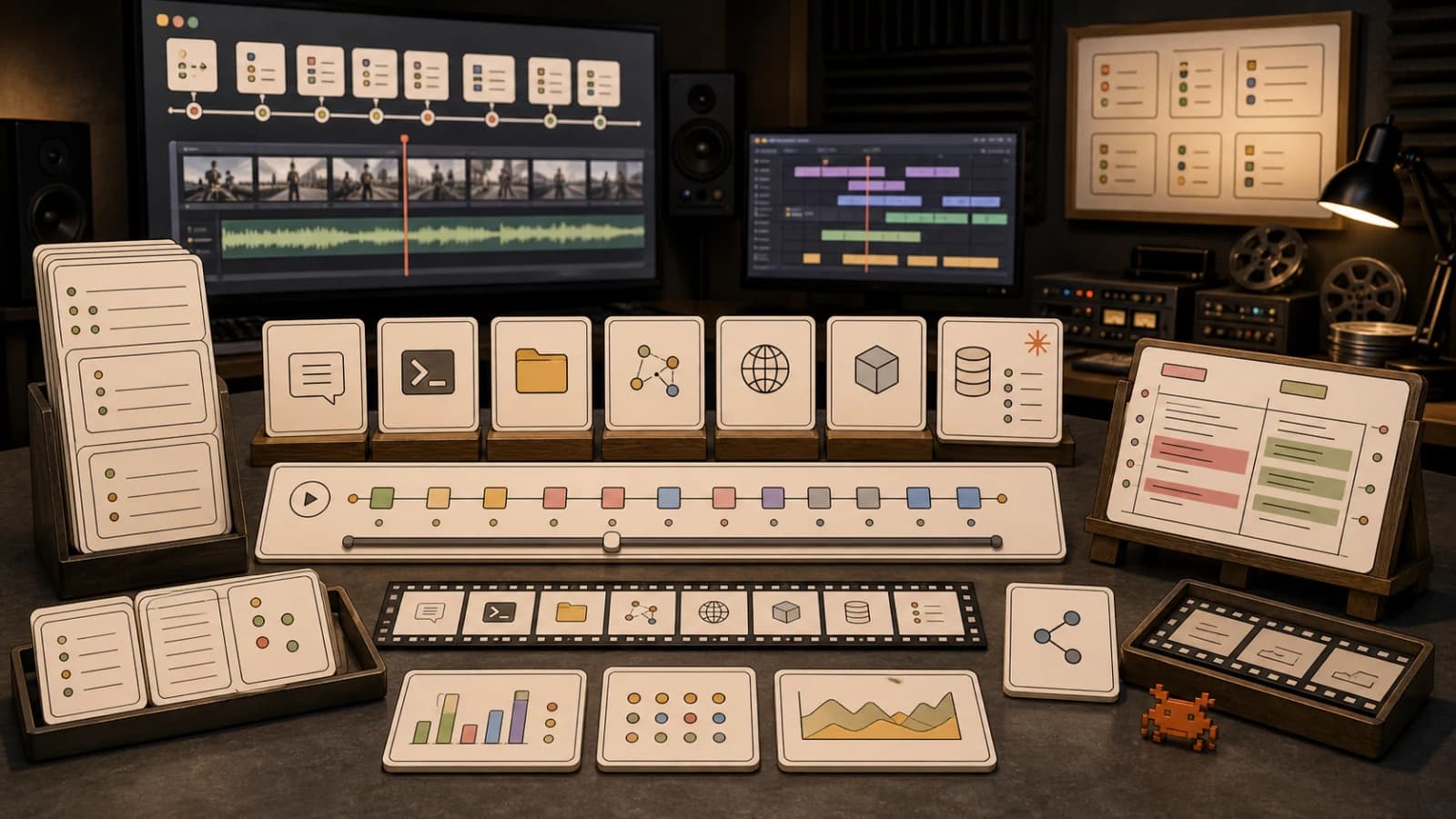
The Log Is the Agent: Event Sourcing Comes to AI Systems
A new paper proposes inverting traditional agent architecture - making the append-only event log the source of truth, not an afterthought. HN debates whether this is novel or just CQRS with extra steps.
7 min read

Dan Luu's Agentic Coding Notes Point to the Real Bottleneck
Dan Luu's new agentic coding essay is not another vibe check. It is a useful reminder that coding agents only compound when the test loop, review loop, and task-selection loop are stronger than the code generator.
8 min read
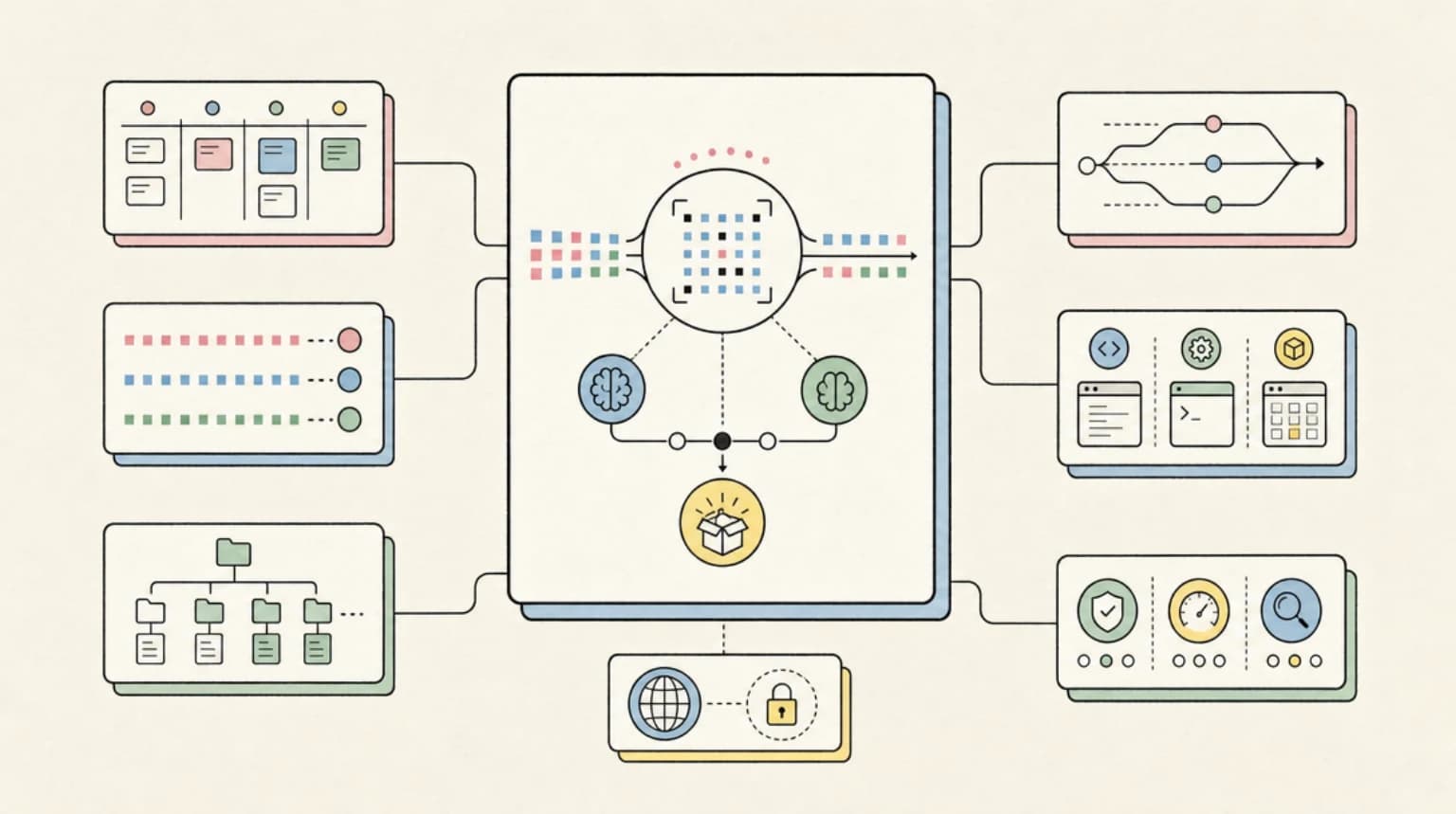
Jamesob's Guide to Running SOTA LLMs Locally: The Hardware and Config That Actually Works
A detailed breakdown of jamesob's viral local LLM guide covering the $2k and $40k hardware paths, critical BIOS settings, and why most setups fail at PCIe negotiation and IOMMU.
9 min read
Leanstral 1.5: Mistral's Open Theorem-Proving Model Hits 100% on miniF2F
Mistral releases Leanstral 1.5, an Apache-2.0 licensed 119B parameter model (6B active) for Lean 4 theorem proving that saturates miniF2F and achieves SOTA on FATE benchmarks.
8 min read

Box3D: Erin Catto Releases an Open Source 3D Physics Engine
The creator of Box2D releases Box3D - an open source 3D physics engine with cross-platform determinism, SIMD contact solving, and heritage from both Box2D and Valve's Rubikon engine.
5 min read

Cloudflare's x402 Monetization Gateway Brings Micropayments to the Edge
Cloudflare announces native support for the x402 HTTP payment protocol, letting developers charge for API calls and web resources with stablecoin micropayments - no accounts or API keys required.
6 min read

Godot Bans AI-Authored Code Contributions - What It Means for Open Source
The Godot Foundation has established a policy banning autonomous AI agent code and substantial AI-generated contributions, citing reviewer burnout and concerns about maintainer mentorship.
6 min read

Webernetes: Kubernetes Ported to the Browser in TypeScript
Ngrok engineer Sam Rose ported 100,000 lines of Kubernetes to TypeScript, creating a browser-based cluster for educational use - with 2,059 tests proving it behaves like real k8s.
5 min read

Claude Code Is Steganographically Marking Requests
A developer reverse-engineered Claude Code and found hidden markers that classify users by timezone, domain, and API keywords - using unicode apostrophe swaps and date format changes.
7 min read
Claude Sonnet 5 Launch Analysis: The Most Agentic Sonnet Yet
Anthropic releases Claude Sonnet 5 with improved agentic capabilities, better tool use, and an introductory pricing deal. Here's what developers need to know.
6 min read
Ornith-1.0: What an Open Source Self-Improving Coding Model Actually Means
DeepReinforce AI released Ornith-1.0, a family of open-source coding models claiming self-improvement. The HN thread reveals a mix of skepticism and genuine interest - here is what the model actually does and whether the hype holds up.
7 min read

Outer Shell: A Graphical Desktop for Your Remote Server via SSH
A new project proposes a graphical shell layer for SSH that turns remote servers into browsable desktops. The HN discussion digs into architecture choices, the terminology debate, and whether this solves a real problem.
8 min read
PostgreSQL 19 Beta: SQL/PGQ, Temporal Tables, and REPACK CONCURRENTLY
The PostgreSQL 19 beta brings native graph queries, SQL:2011 temporal tables, concurrent table reorganization, and logical replication improvements - all in a single release.
8 min read
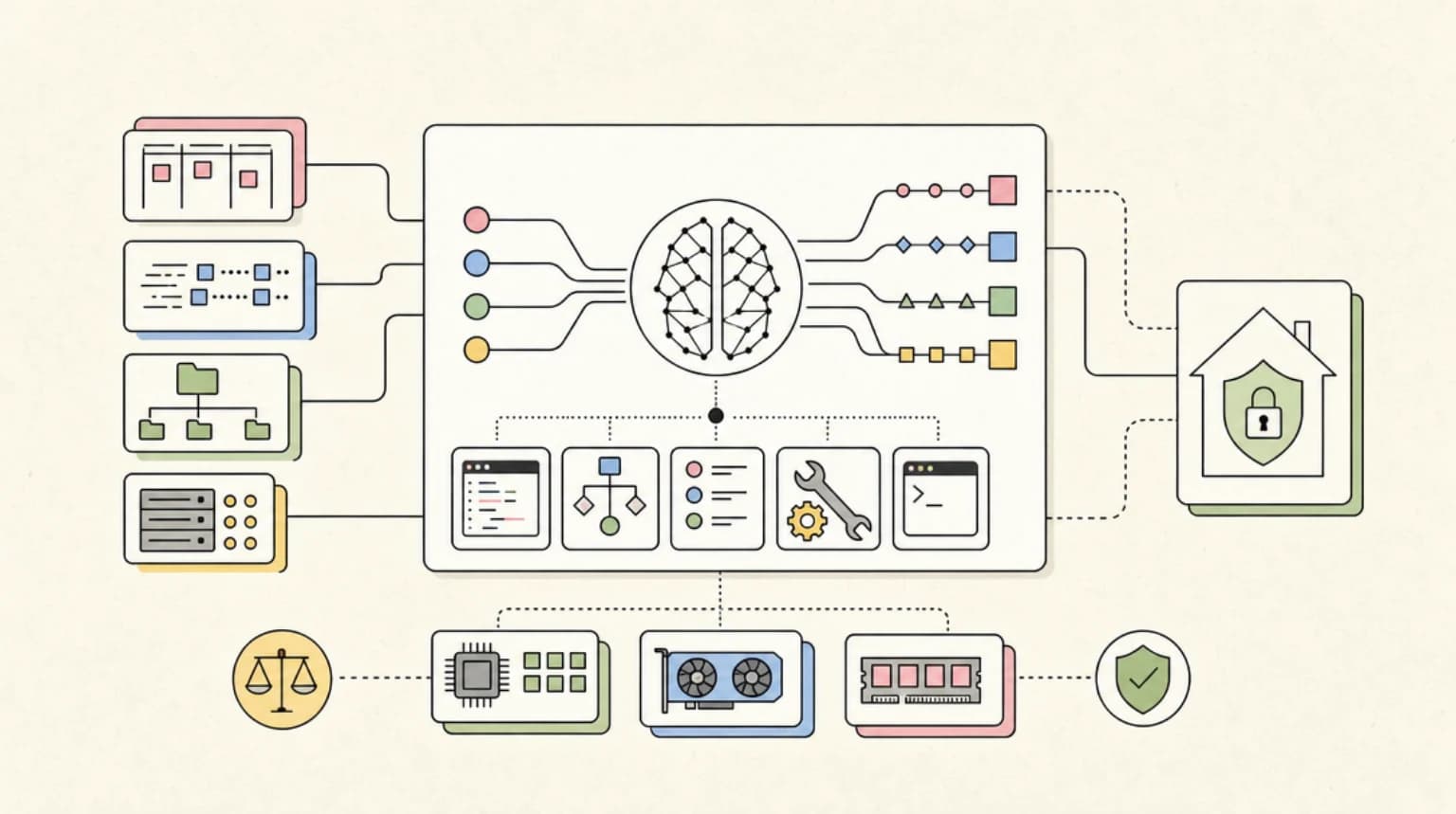
ZLUDA 6: Running CUDA on AMD GPUs Is Now a Hobby Project
ZLUDA 6 adds PhysX support, textures for Blender, and better Windows experience. The catch? Commercial funding ended, so development follows what the author finds entertaining.
5 min read

Using Claude Code for a Second Opinion on MRI Scans - What Actually Happened
A developer fed 266MB of DICOM MRI data to Claude Code Opus for a second opinion on a shoulder diagnosis. The AI disagreed with the doctor. HN radiologists weighed in.
7 min read

GLM 5.2 Outperforms Claude Code on Semgrep's IDOR Vulnerability Benchmarks
Semgrep's security research team benchmarked LLMs on IDOR vulnerability detection. The open-weight GLM 5.2 beat Claude Code by 7 points at roughly one-sixth the cost.
6 min read

Developer Fired by Google for Building Google Workspace CLI
Justin Poehnelt spent seven years at Google building open-source developer tools. His CLI went viral, hit #1 on Hacker News, and got him fired two days before Google announced their own version.
6 min read
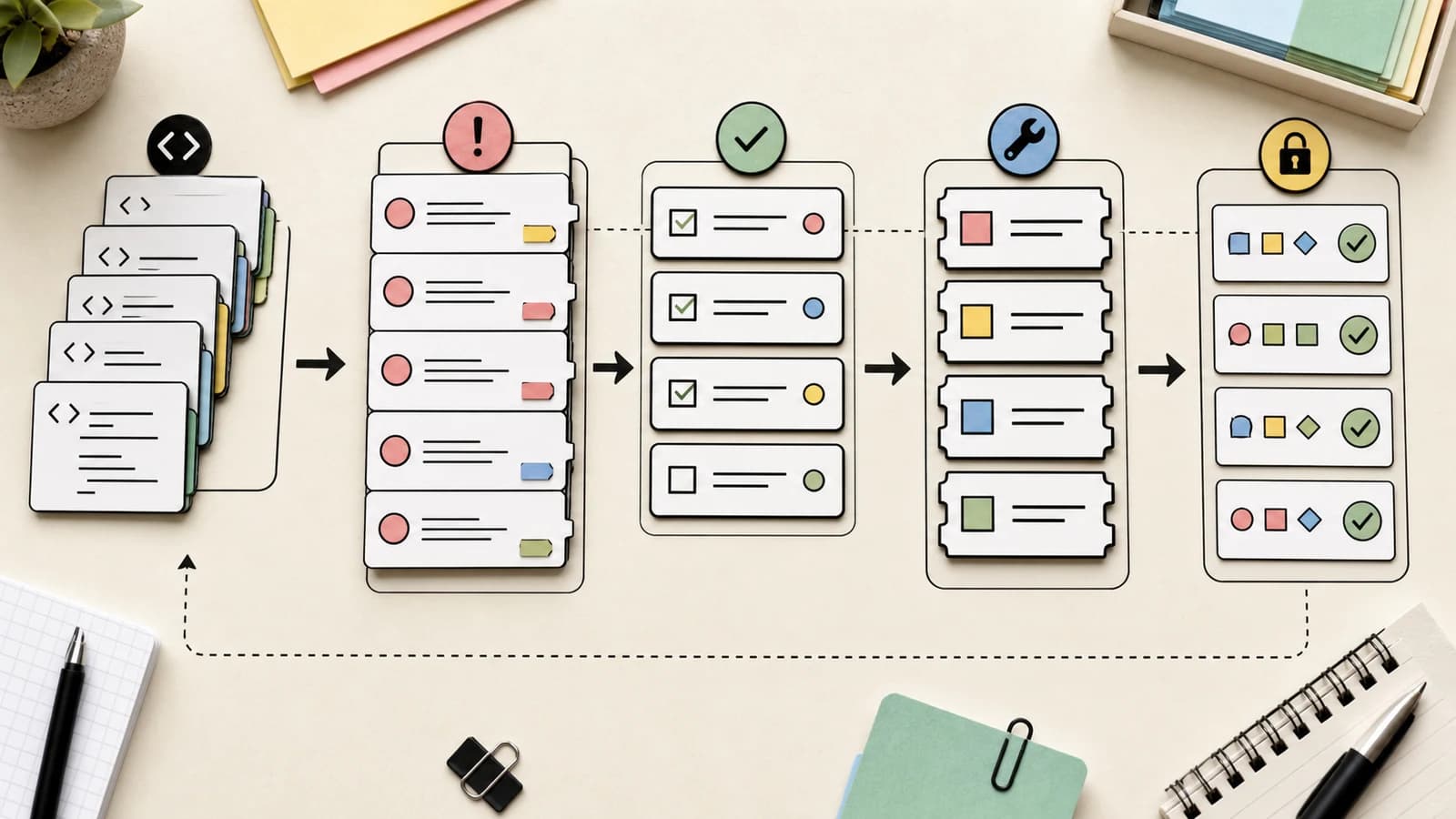
Vulnerability Reports Are Not Special Anymore
Filippo Valsorda argues that LLMs have ended the era of treating security researchers with kid gloves. When anyone can discover vulnerabilities with an AI, the old coordinated disclosure model breaks down.
7 min read
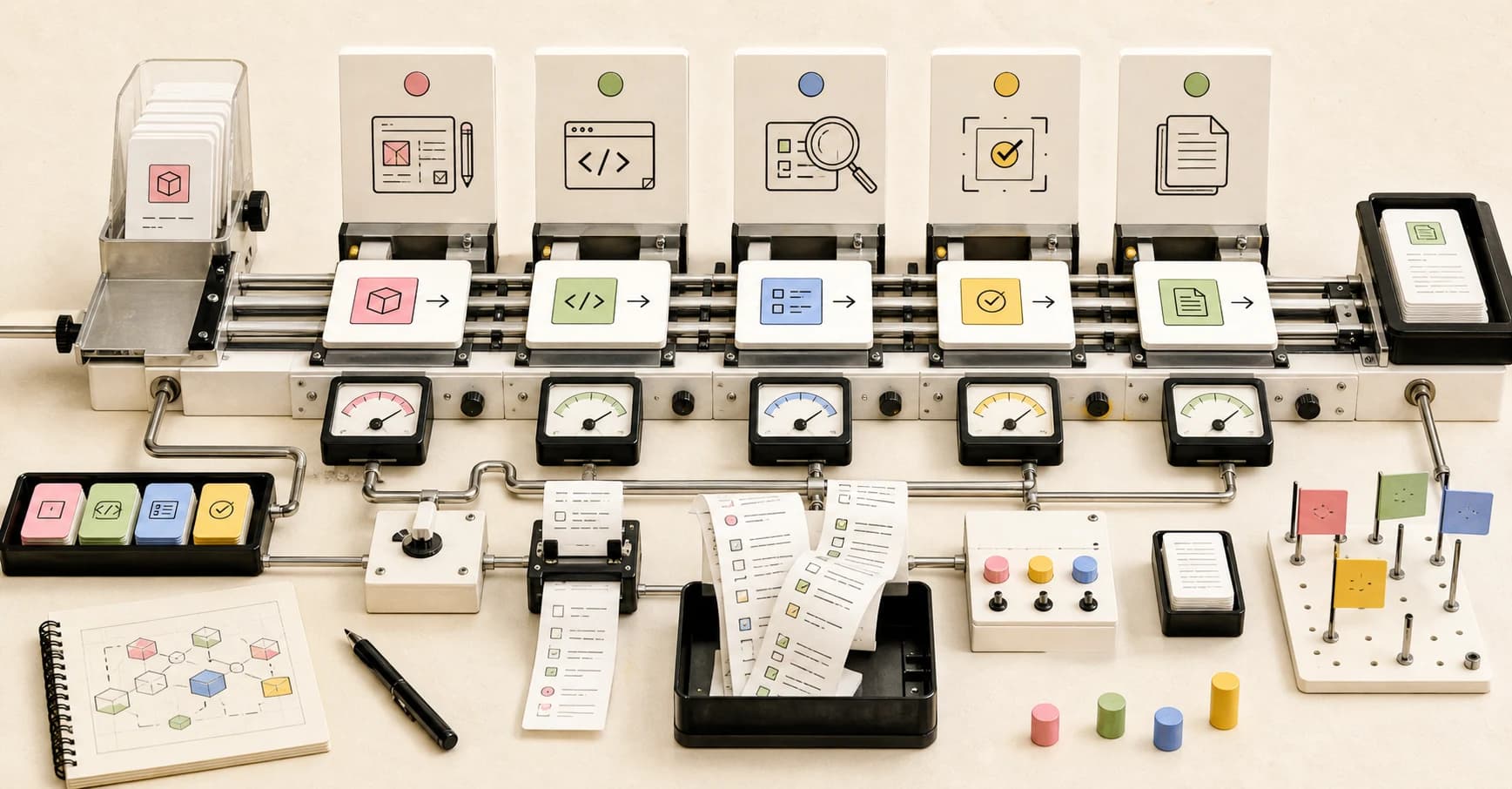
Armin Ronacher on The Coming Loop and Why Agent-Driven Code Still Needs Human Comprehension
Armin Ronacher's new essay explores the tension between letting AI agents loop autonomously and maintaining the engineering comprehension that makes software maintainable. The Hacker News discussion adds practical caveats worth reading.
9 min read
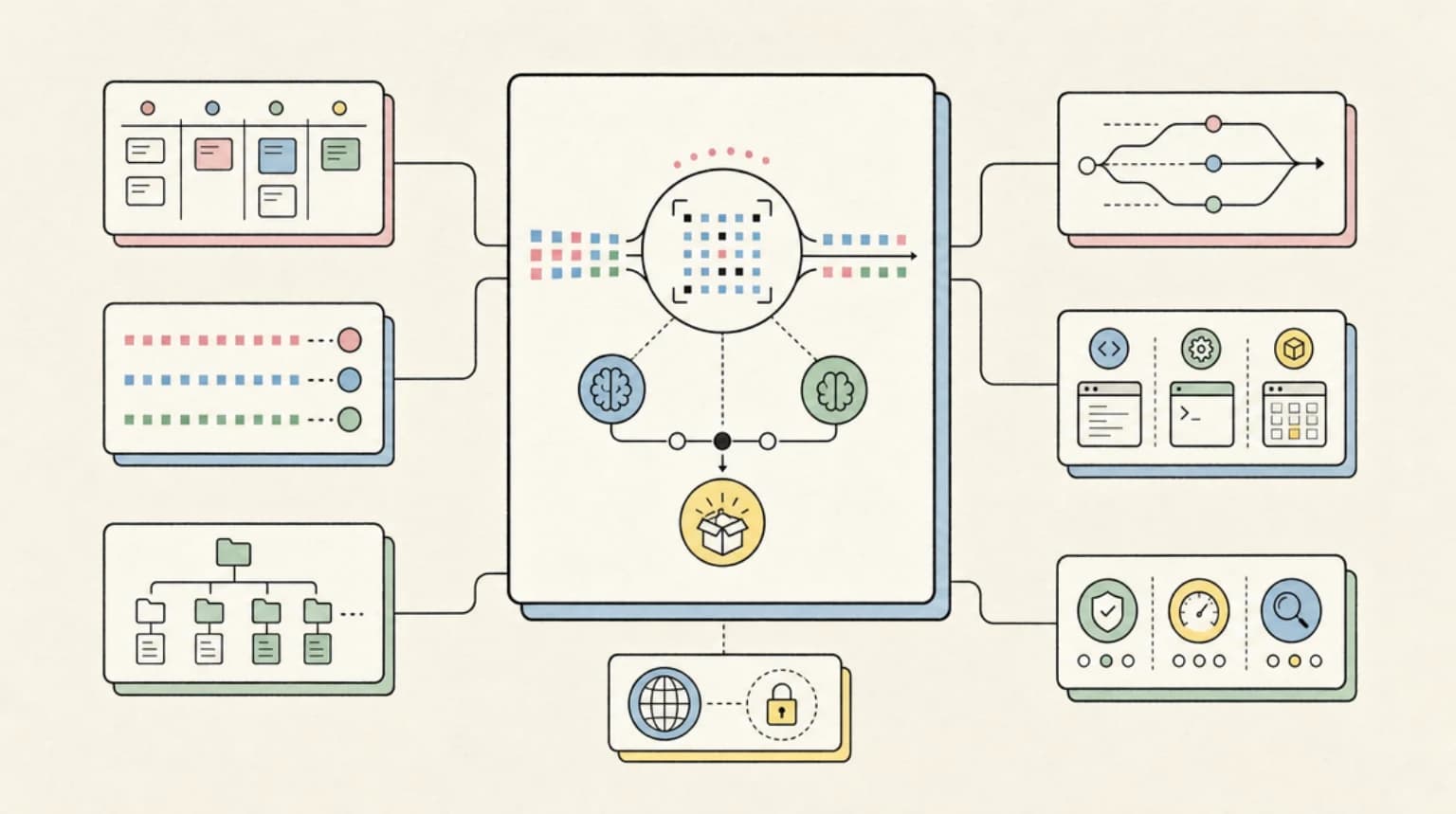
GLM-5.2 Local Deployment: Running Z.ai's 744B Model on Consumer Hardware
Unsloth's dynamic quantization makes GLM-5.2 runnable on a 256GB Mac or a 24GB GPU with CPU offloading. Here is the hardware math, the quantization tradeoffs, and what the HN community learned from actually running it.
7 min read

In Praise of Memcached: Why Simpler Caching Might Be Better
A blog post arguing for memcached over Redis sparked a heated HN debate. Here's the architectural argument for why memcached's constraints might actually be a feature.
7 min read

TikZ Editor Is a WYSIWYG LaTeX Figure Tool Built Almost Entirely by Codex
A developer used OpenAI Codex to build a fully open-source WYSIWYG editor for TikZ figures. The technical approach and reception on Hacker News offer a useful case study in what agent-built software looks like when shipped.
7 min read

Unlimited OCR: Baidu's Open-Source Solution for Long Document Parsing
Baidu releases Unlimited OCR, an open-source vision-language model that parses 100+ page documents in a single pass without memory blowup. Here's what developers need to know.
6 min read
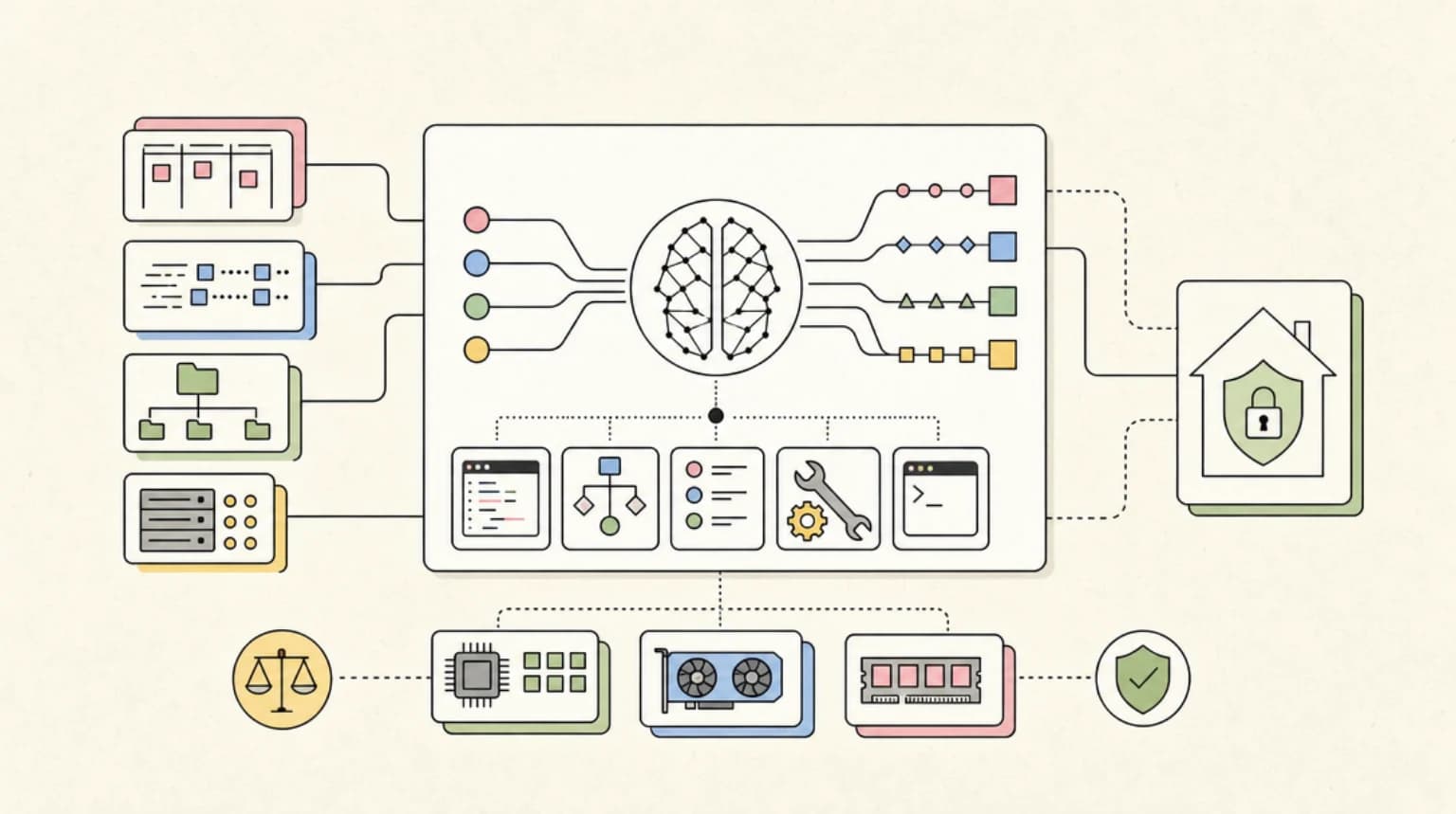
VibeThinker-3B: A 3 Billion Parameter Model That Outscores Opus 4.5 on Reasoning
A new paper shows a 3B parameter model hitting 94.3 on AIME26 and 96.1% on LeetCode contests - matching or exceeding models 100x its size. The catch: it traded general knowledge for pure reasoning ability.
6 min read
Apertus: Europe's Answer to AI Sovereignty - and Why HN Is Skeptical
Switzerland's fully open foundation model promises transparent training data and EU compliance. The HN crowd has questions about actual performance.
6 min read
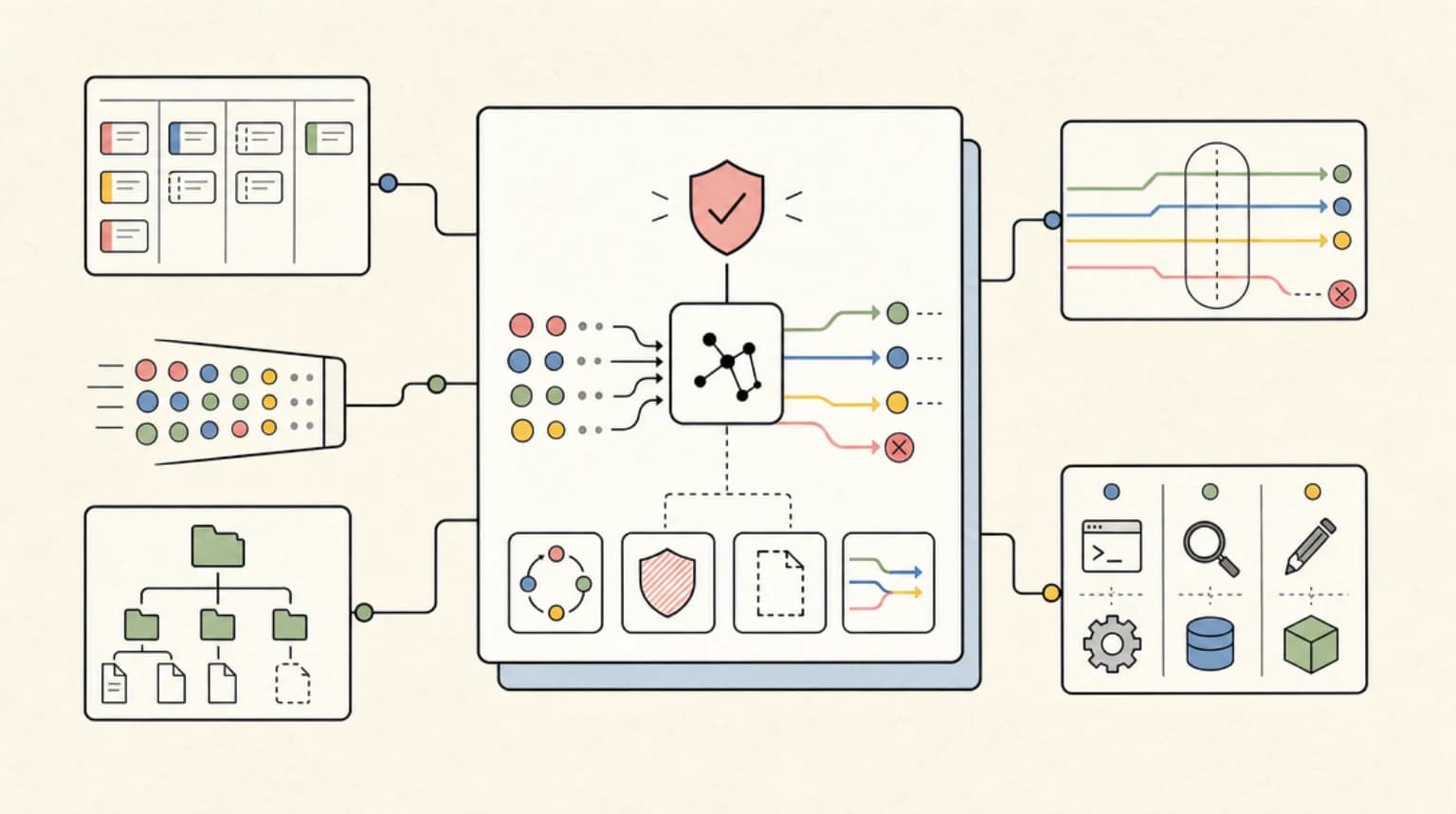
Claude Code's Extended Thinking Is a Summary - What That Means for You
A developer discovered that Claude Code's thinking output is summarized, not the raw reasoning. Here's what Anthropic's docs actually say - and why it matters.
5 min read
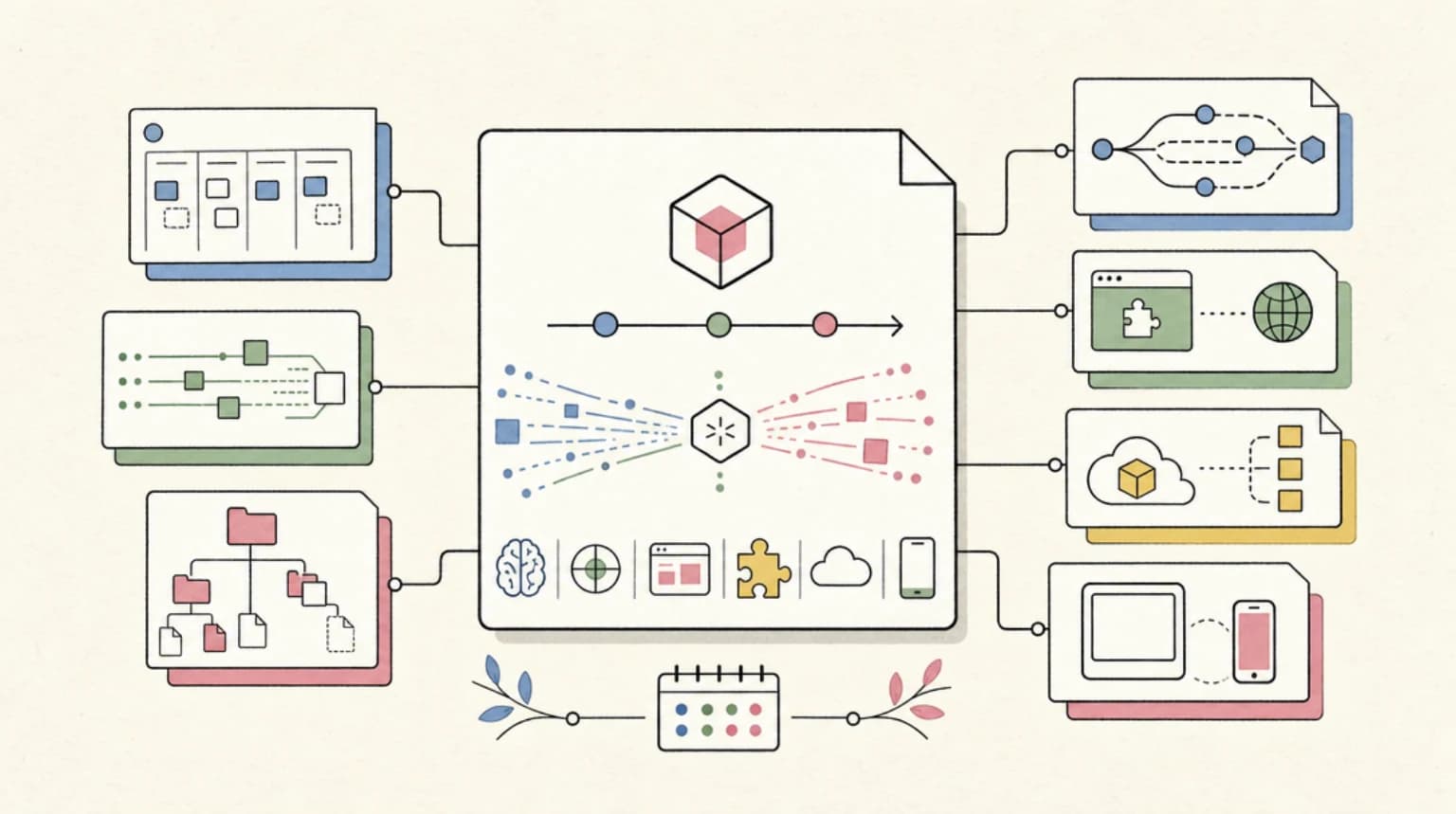
Codex Logging Bug Can Write Terabytes to Your SSD
A Codex CLI SQLite logging bug showed how global TRACE logs can burn SSD write endurance. OpenAI has now merged fixes, but the incident is a useful local-agent operations lesson.
5 min read
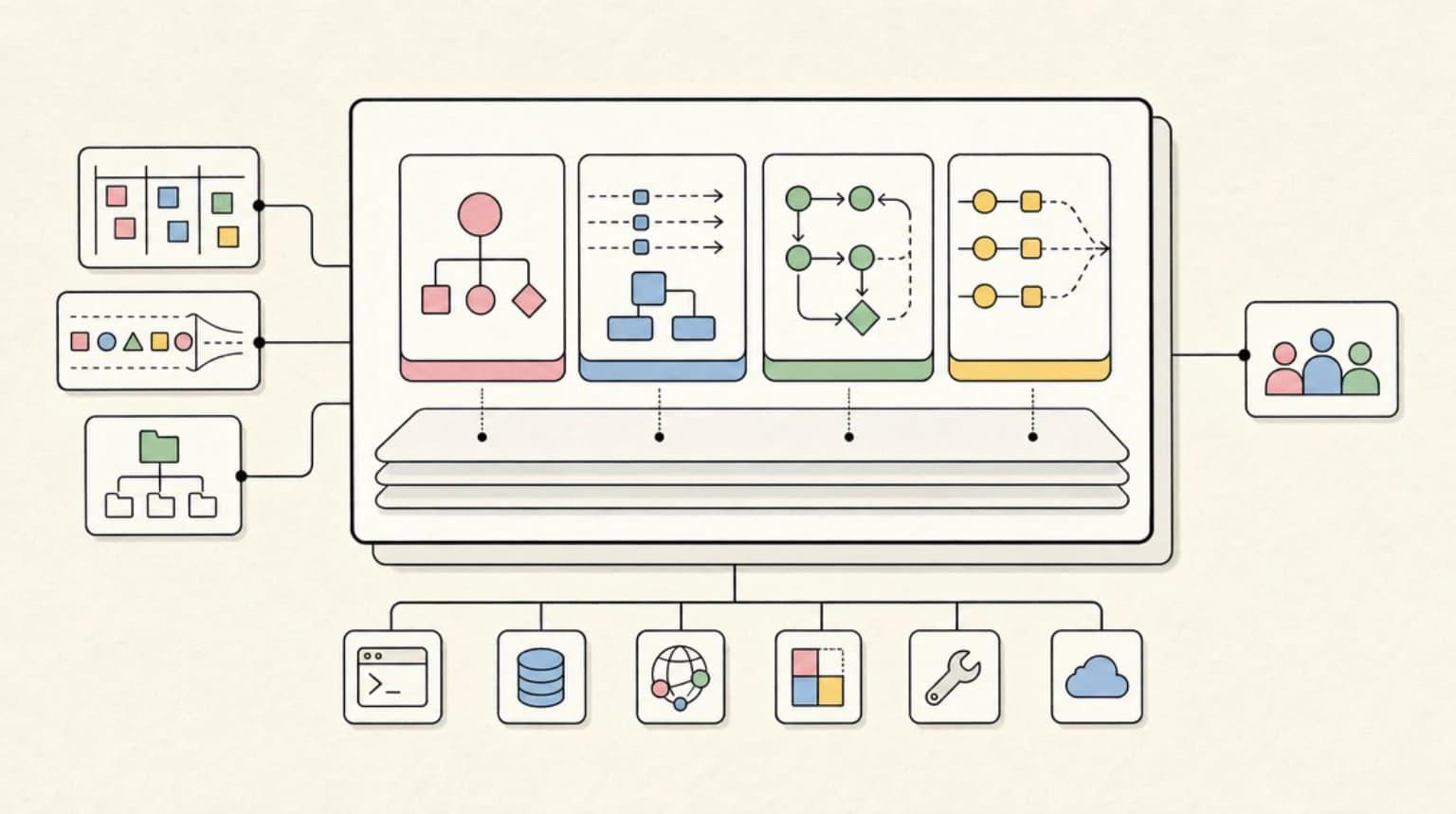
Deno Desktop Lets You Build Native Apps with TypeScript
Deno 2.9 ships a desktop app framework that compiles TypeScript projects into native binaries with WebView or bundled Chromium - a new Electron alternative from the Deno team.
8 min read

Oak: A New Version Control System Built for AI Agents
Oak rethinks version control for agentic workflows with virtual mounts, faster snapshots, and lower VCS-related token overhead. Here's what the HN community thinks about this Show HN.
8 min read
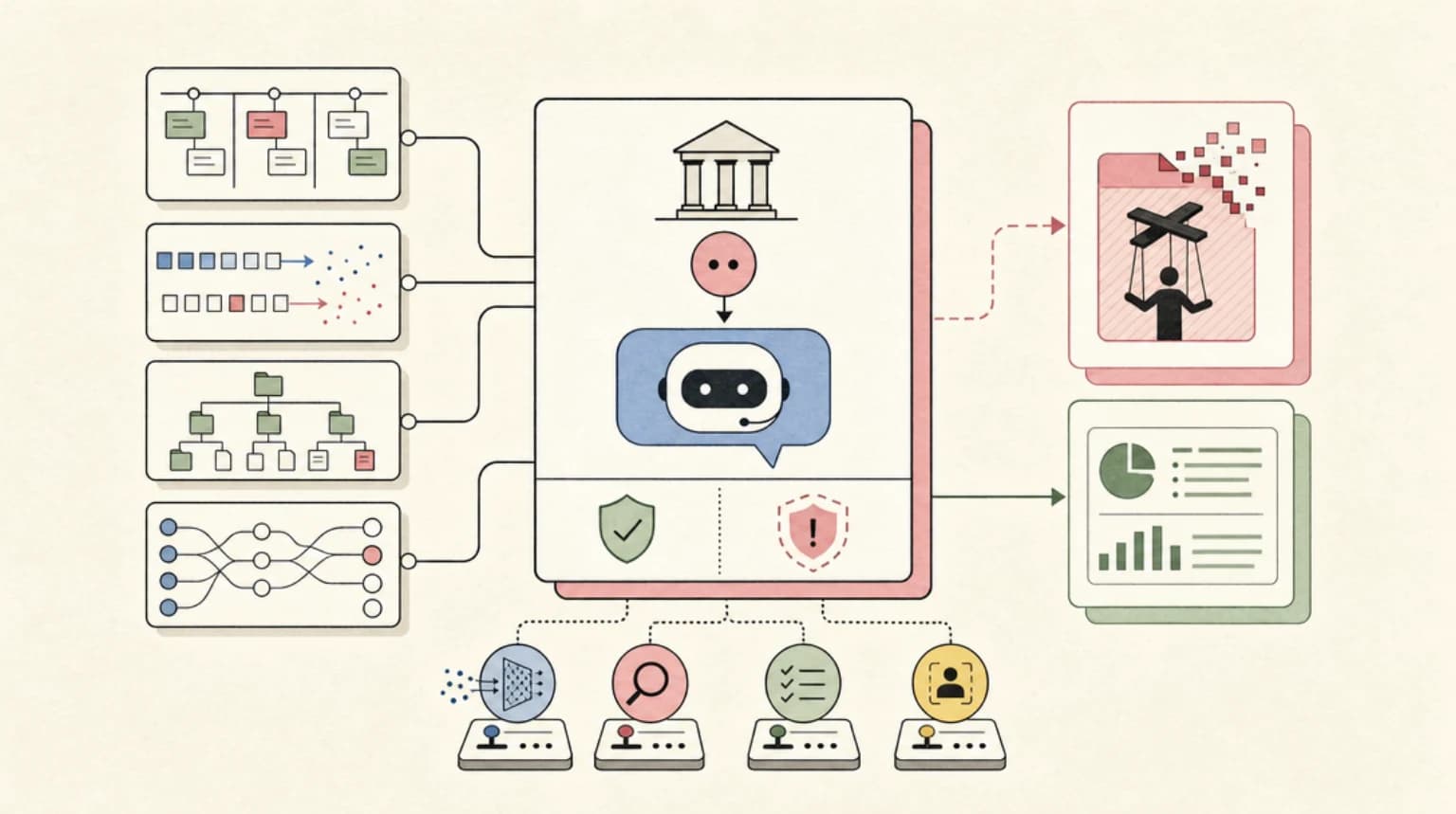
Prompt Injection is Role Confusion - New ICML Research Explains Why LLMs Can't Tell Friend from Foe
New research from MIT reveals that LLMs identify speakers by writing style, not by tags - meaning attackers who sound like the system effectively become the system. The findings explain why prompt injection remains unsolved.
7 min read

There Are No Instances in ATProto - Dan Abramov Explains the Architecture
Dan Abramov's explainer on ATProto architecture is making the rounds. The core insight: Bluesky's protocol separates hosting from applications in a way that Mastodon-style federation fundamentally cannot. Here's what that means for developers.
7 min read

Cloudflare Now Lets AI Agents Deploy Workers Without Signup
The new wrangler deploy --temporary flag creates ephemeral Cloudflare accounts for AI agents. 60-minute deployments, no OAuth, no browser - just deploy and claim later.
8 min read
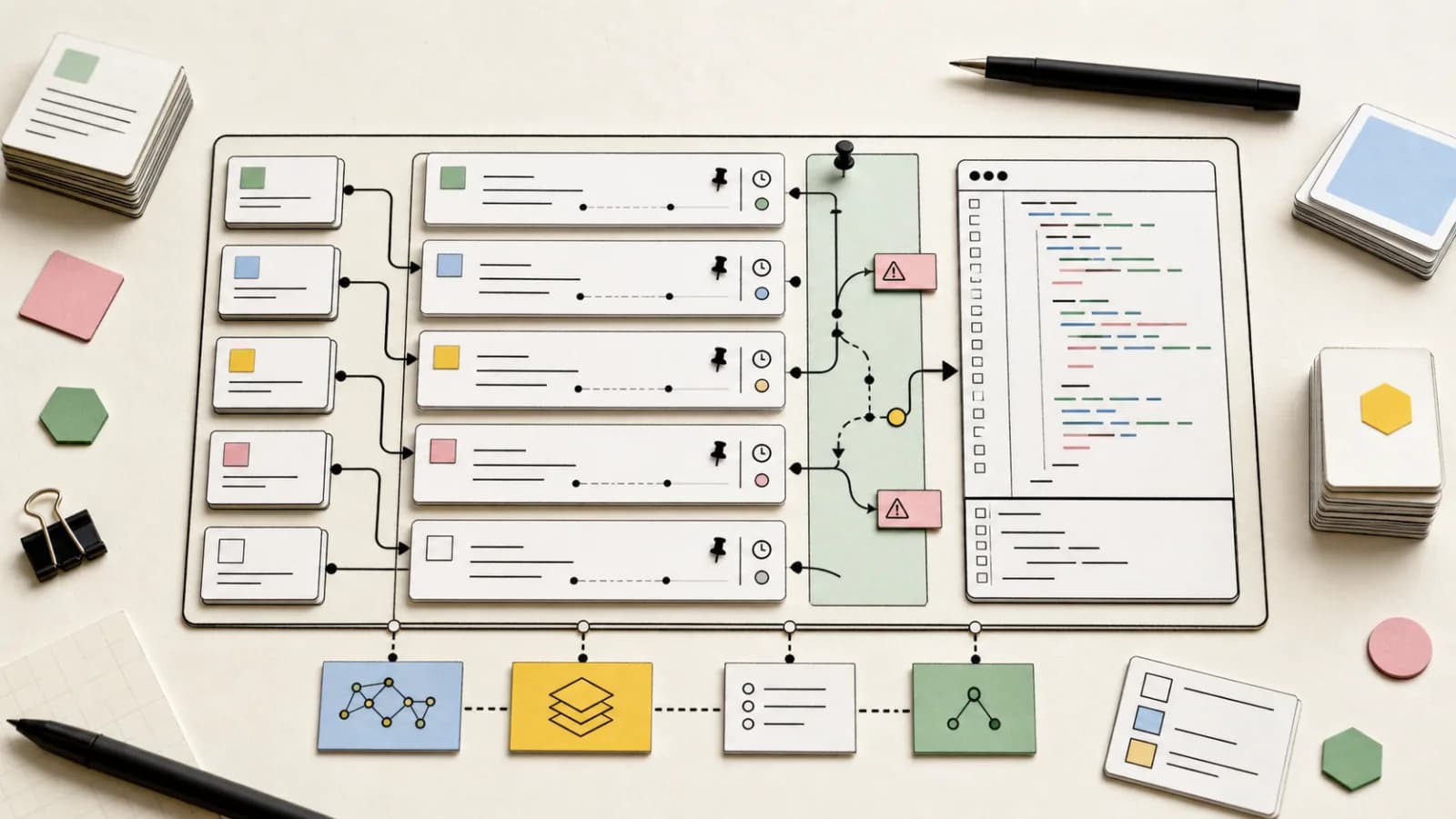
GPT-5.5 Has a 3x Higher Hallucination Rate Than MIT-Licensed GLM-5.2
New benchmark data shows GPT-5.5 hallucinates 86% of the time when it does not know the answer - versus 28% for the open-weights GLM-5.2. The numbers challenge the assumption that bigger models equal more reliable output.
6 min read
LLM Architectures Got Complicated Fast
Modern LLMs now use MoE routing, mixed attention variants, and fused vision encoders. The simple transformer stack is gone - here's what replaced it and why it matters for developers.
6 min read

DuckDB Internals: What Makes It So Fast
A deep dive into DuckDB's architecture - columnar storage, vectorized execution, and zero-copy design that lets it compete with million-dollar clusters on a laptop.
8 min read

Three Ways to Ignore Files in Git (Beyond .gitignore)
Most developers only know .gitignore, but Git offers two other ignore mechanisms for local workflows and machine-wide patterns. Here's when to use each.
5 min read

Project Valhalla Arrives: Value Classes Ship in JDK 28 After a Decade of Work
Java's most anticipated performance feature is finally landing. Value classes eliminate object identity overhead and enable dense memory layouts - here's what changes.
8 min read

Zero-Touch OAuth for MCP: Enterprise Auth Gets Practical
MCP's new Enterprise-Managed Authorization removes per-user OAuth friction. Anthropic, Okta, Figma, and Linear ship centralized auth for AI agent tooling.
7 min read

Adam (YC W25): Open Source AI CAD That Generates OpenSCAD from Text
A YC W25 startup open-sources CADAM, a browser-based tool that converts natural language to parametric OpenSCAD models. HN debate: is text-to-CAD genuinely useful or just another demo?
6 min read

Emacs 31 is Around the Corner: The Features Worth Daily Driving
Auto-installing tree-sitter grammars, built-in markdown mode, window layout commands, and more - the upcoming Emacs release absorbs features that used to require external packages.
6 min read

Local Qwen Is a Different Tool, Not a Worse Opus
Alex Ellis shares real production experience running local LLMs: $12k hardware investment, 2-3 month ROI, and why treating local models as Opus substitutes misses the point entirely.
7 min read
Noam Shazeer Joins OpenAI After Two Years Back at Google
The Transformer co-creator leaves Google DeepMind for OpenAI just two years after Google paid $2.7 billion to bring him back from Character.AI.
5 min read

Epic Games Releases Lore: A Version Control System Built for Game Development
Epic Games open-sourced Lore, a centralized version control system designed for binary-heavy game projects. It uses Merkle trees, on-demand file hydration, and native chunked storage to handle terabyte-scale repos that Git struggles with.
7 min read

RFC 10008: The New HTTP QUERY Method Explained
The IETF published RFC 10008 defining a new HTTP QUERY method - GET with a request body. It is safe, idempotent, cacheable, and solves the longstanding problem of complex queries hitting URL length limits.
6 min read
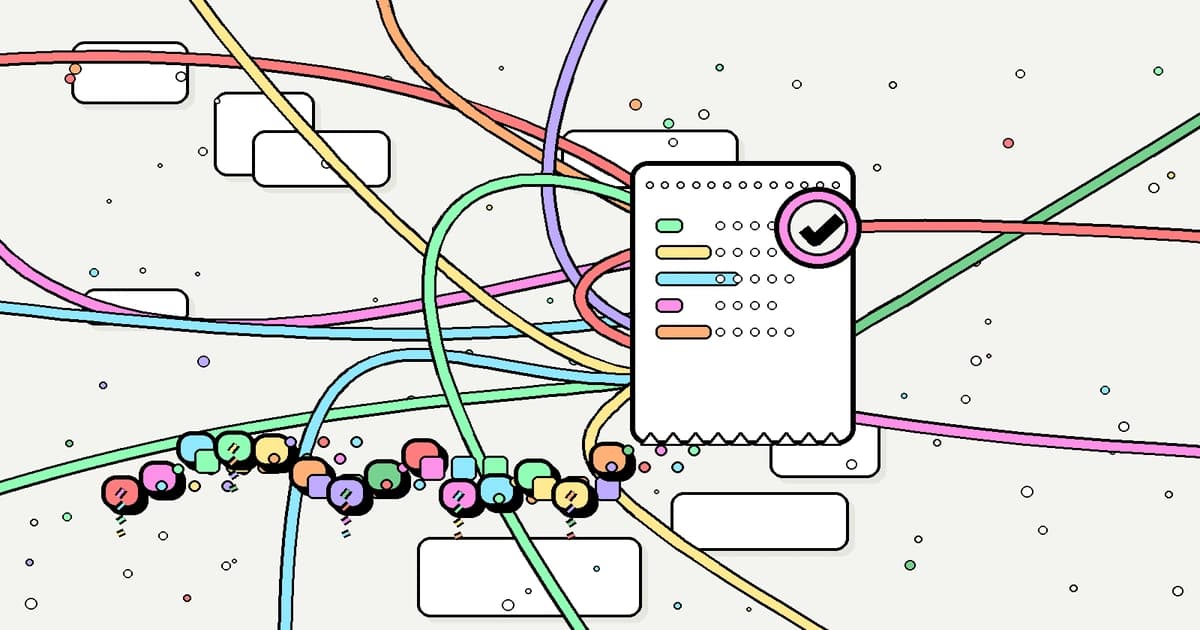
Agent Swarms Need Receipts
GitHub is filling with multi-agent frameworks, skills, and coding harnesses. The useful lesson is not that every team needs a swarm. It is that every agent needs receipts: tests, logs, diffs, and reviewable checkpoints.
8 min read
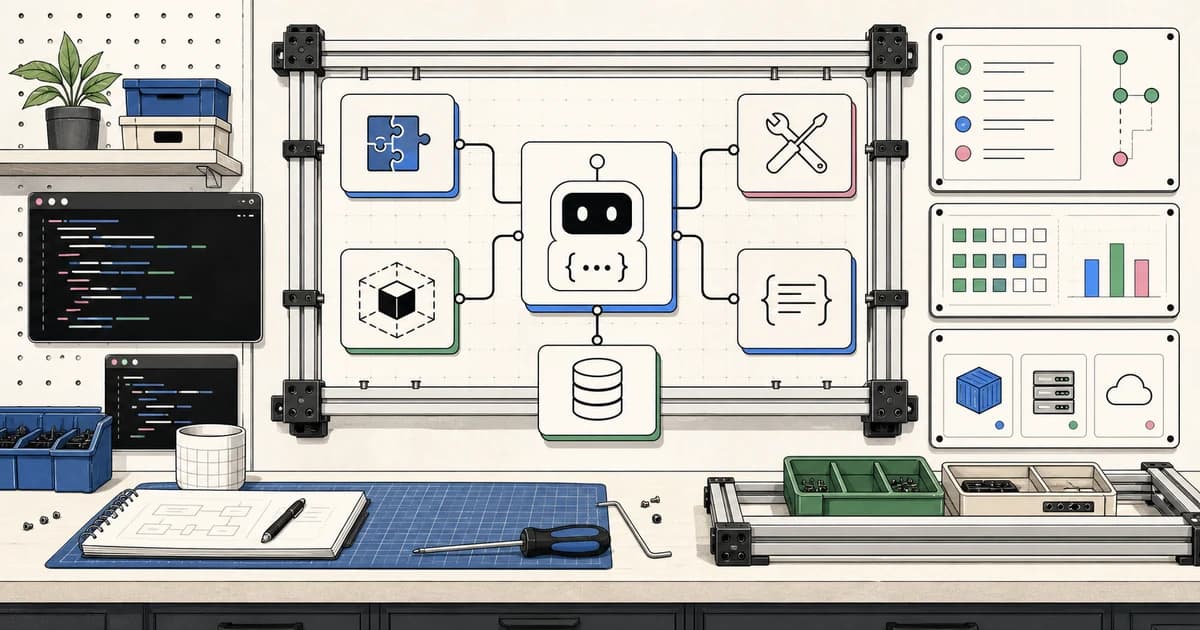
Flue and the Agent Harness Layer
Flue is trending because it names the part of agent infrastructure that is becoming product-critical: the programmable harness around the model.
8 min read

Open Design Shows the Next Agent Wrapper
Open Design is trending because it turns Claude Code, Codex, Cursor, Gemini, and other CLIs into a design engine. The useful lesson is not design automation. It is artifact-first agent wrappers.
8 min read
Keep exploring
More on Hacker News
- - Tools Directory - dive deeper across the Developers Digest knowledge base
- - All Hacker News articles in the blog archive
- - Developers Digest on YouTube - video tutorials covering Hacker News and more
Get Smarter About AI Dev
New tutorials, open-source projects, and deep dives on coding agents - delivered weekly.
One email per weekReal code, not theoryFree forever
Explore 688 topics
Browse All Topics