10 min read
Fable 5 with 1M Context: What Actually Works in Practice
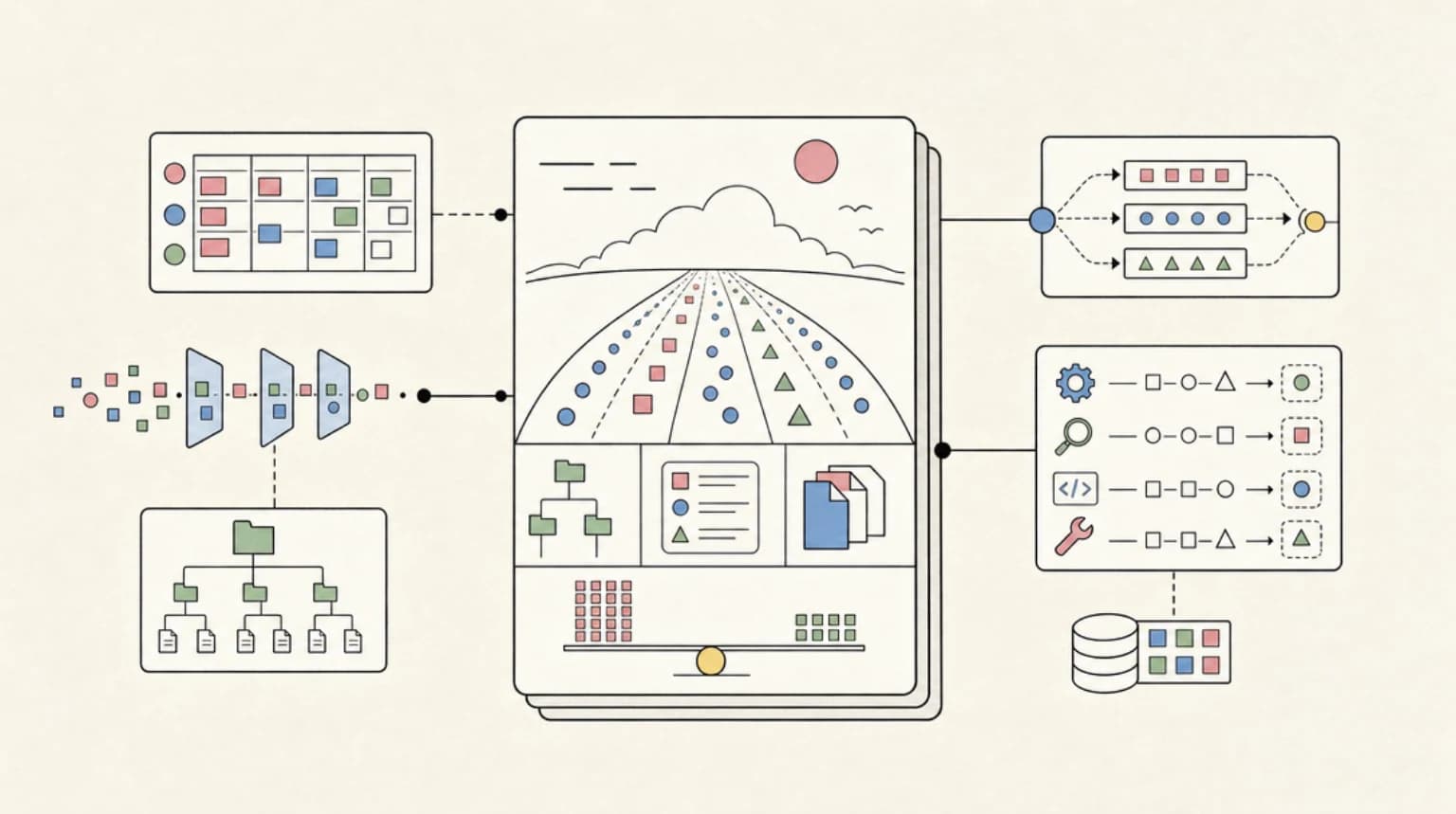
Fable 5 1M context workflows that actually work: whole-repo reviews, log archaeology, multi-doc synthesis - plus the honest math on when RAG still wins.
8 articles
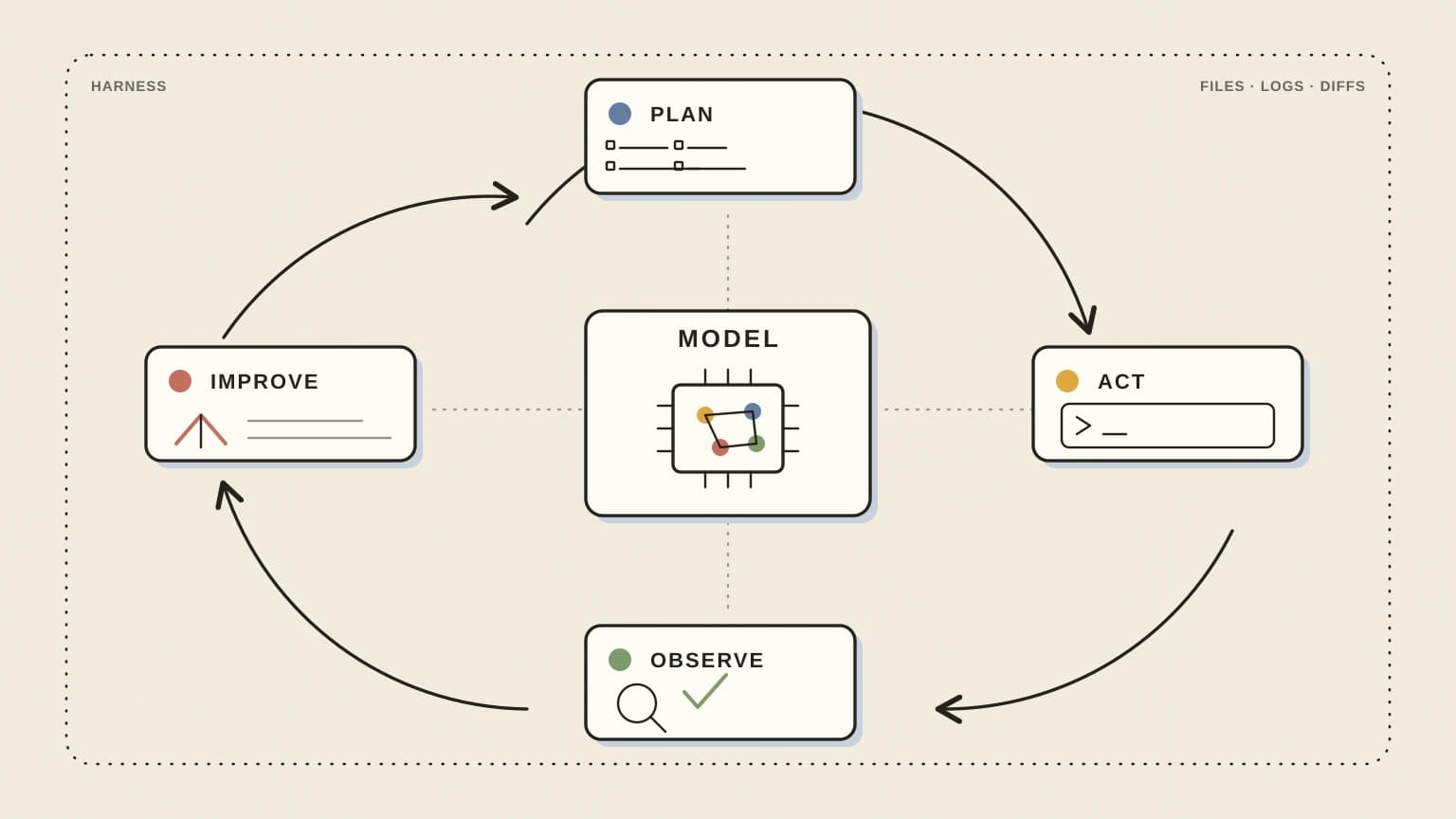
Lilian Weng argues self-improving AI won't start with models rewriting their weights - it starts with the harness. Here's what that means for developers building agents.
Fable 5 1M context workflows that actually work: whole-repo reviews, log archaeology, multi-doc synthesis - plus the honest math on when RAG still wins.
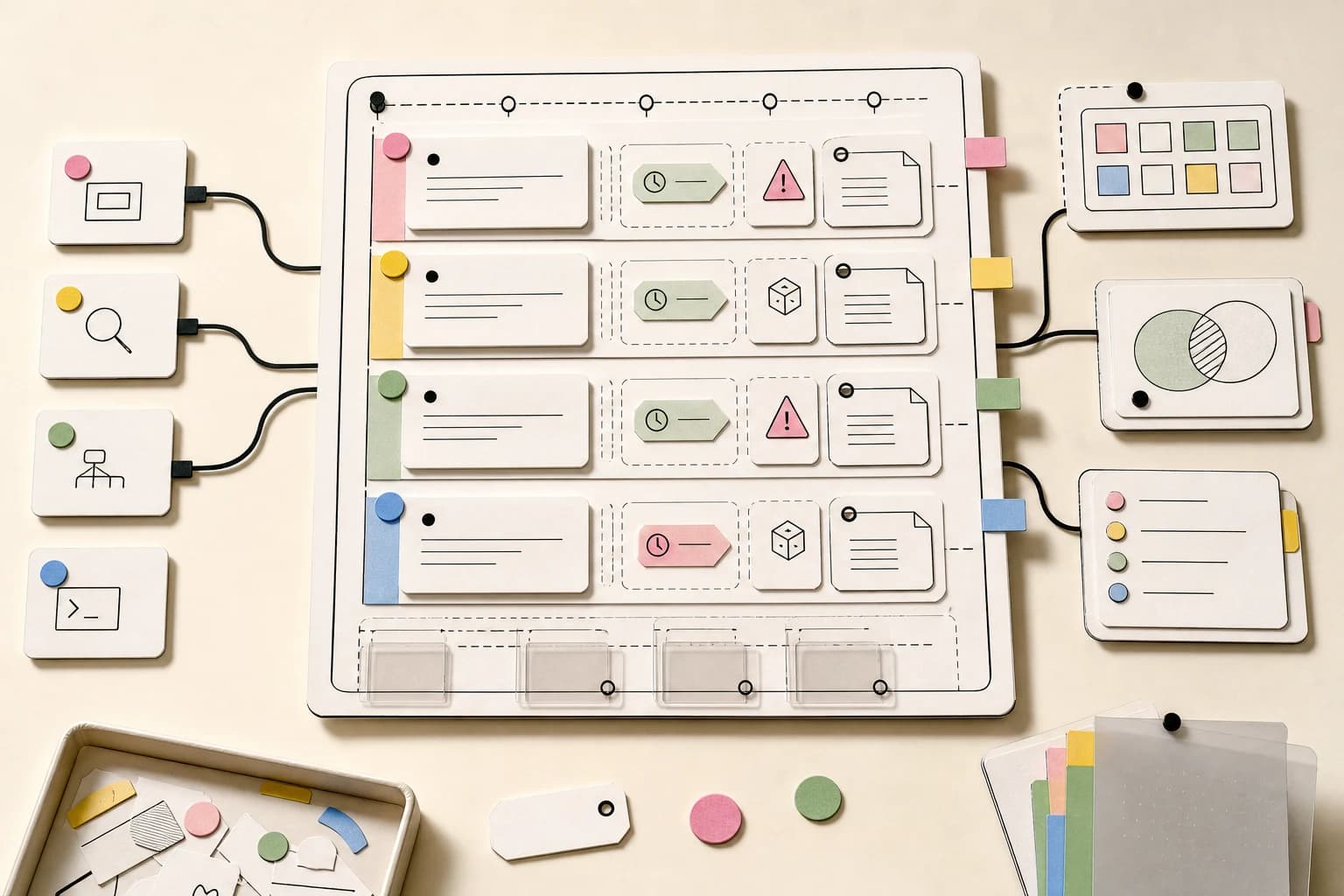
GitHub Trending is full of agent memory and context tools. The useful version is not magic recall. It is a context ledger: source-linked, scoped, expiring memory that agents can inspect and users can audit.
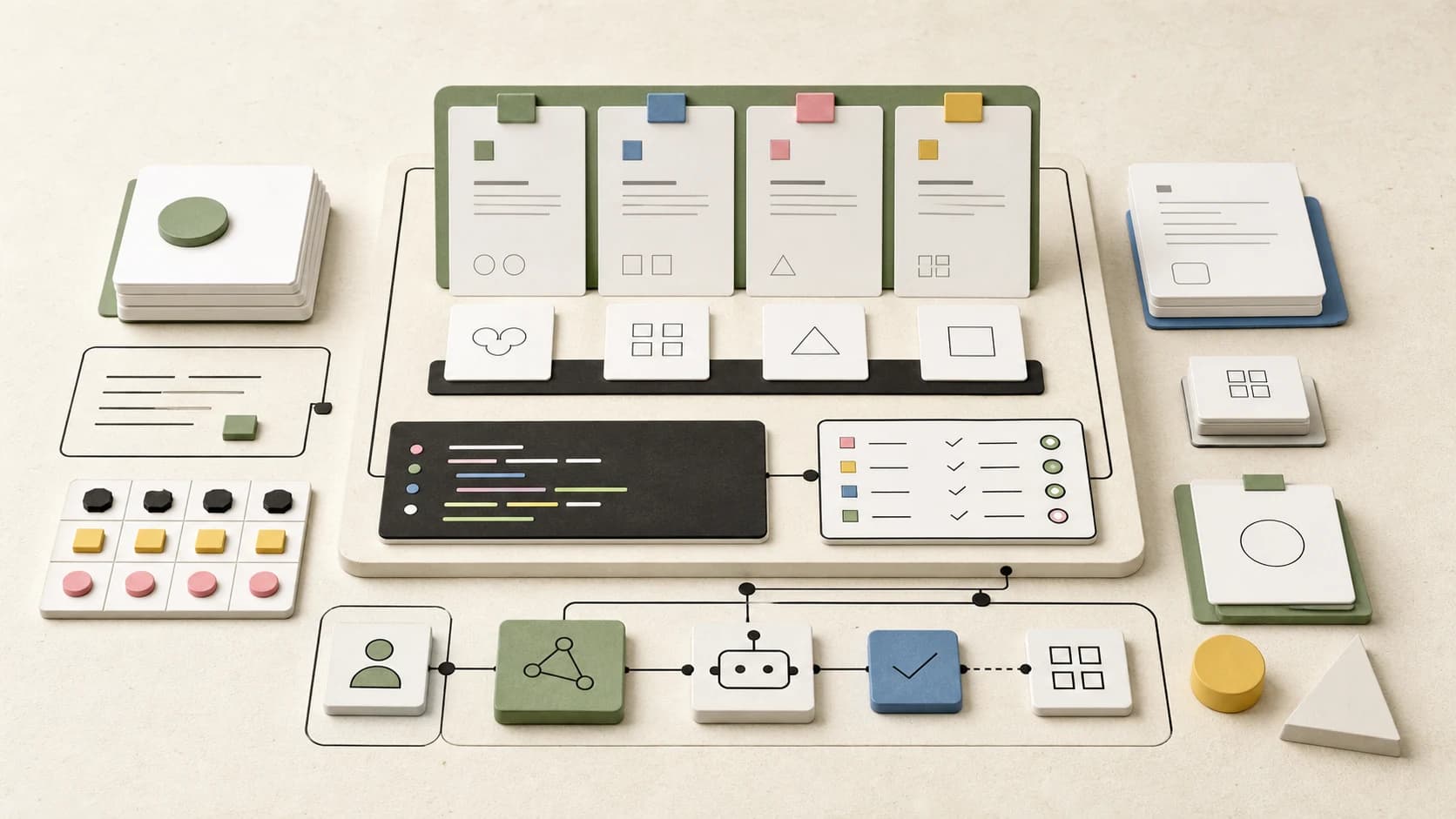
A huge Hacker News thread says domain expertise is the real moat in agentic coding. The sharper version: tacit judgment only compounds when you turn it into examples, tests, DSLs, and review gates.

GitHub is suddenly full of codebase knowledge graph projects for Claude Code, Codex, Cursor, and other agents. The useful version is not a pretty graph. It is a map that changes planning, editing, and review.
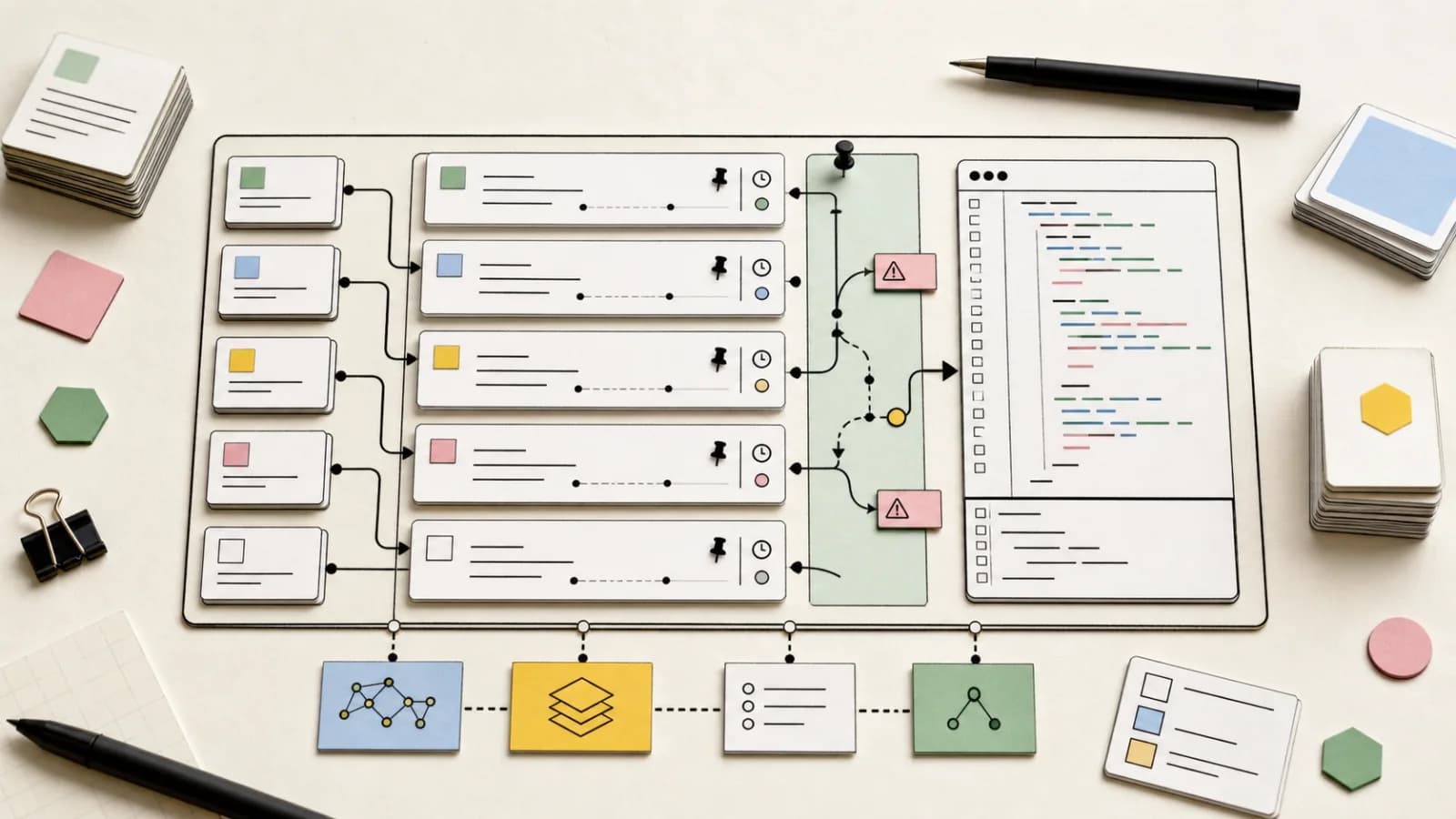
Persistent memory for coding agents is trending because every session still starts too cold. The hard part is not saving facts. It is proving recall, freshness, deletion, and rollback under real development pressure.

Efficient agents do not stuff every tool result into the model context. They keep intermediate state in code, files, and execution environments, then return compact summaries and receipts.

Context engineering is the practice of designing the persistent information that surrounds every AI interaction. CLAUDE.md files, system prompts, skill libraries, and memory systems. It is the single highest-leverage skill for developers working with AI agents in 2026.
Showing 7 of 7 articles
New tutorials, open-source projects, and deep dives on coding agents - delivered weekly.
Explore 688 topics
Browse All Topics