Topic
AGENT INFRASTRUCTURE
All blog posts, tools, and guides about Agent Infrastructure from Developers Digest.
12 resources - 12 posts
Blog Posts
View in blog →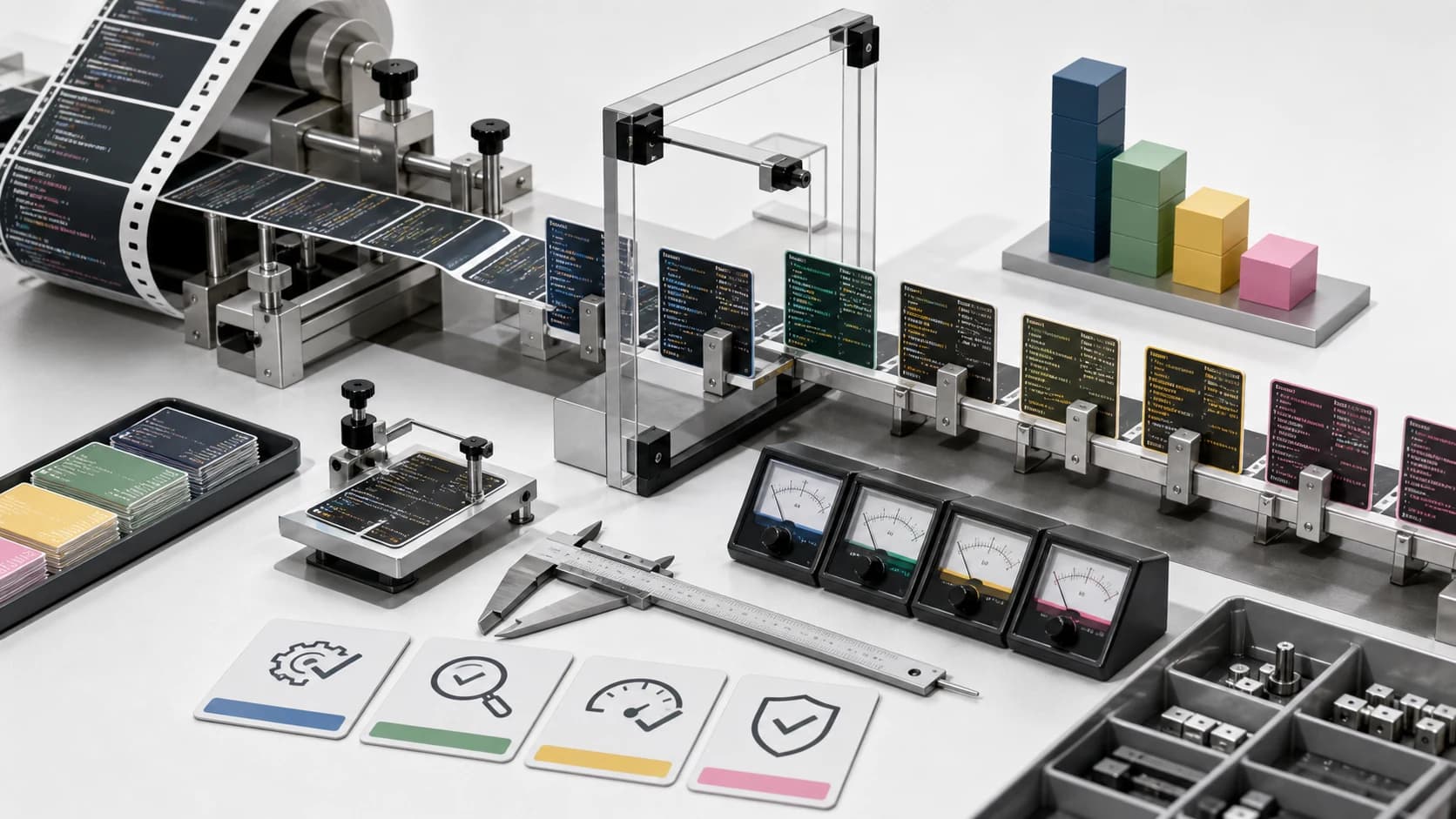
Image Token Compression Is a Real Agent Cost Lever
A Show HN project claims large agent-cost cuts by rendering bulky context as images. The useful lesson is not the trick itself. It is that compression needs evals, byte-safety rules, and per-request accounting.
8 min read
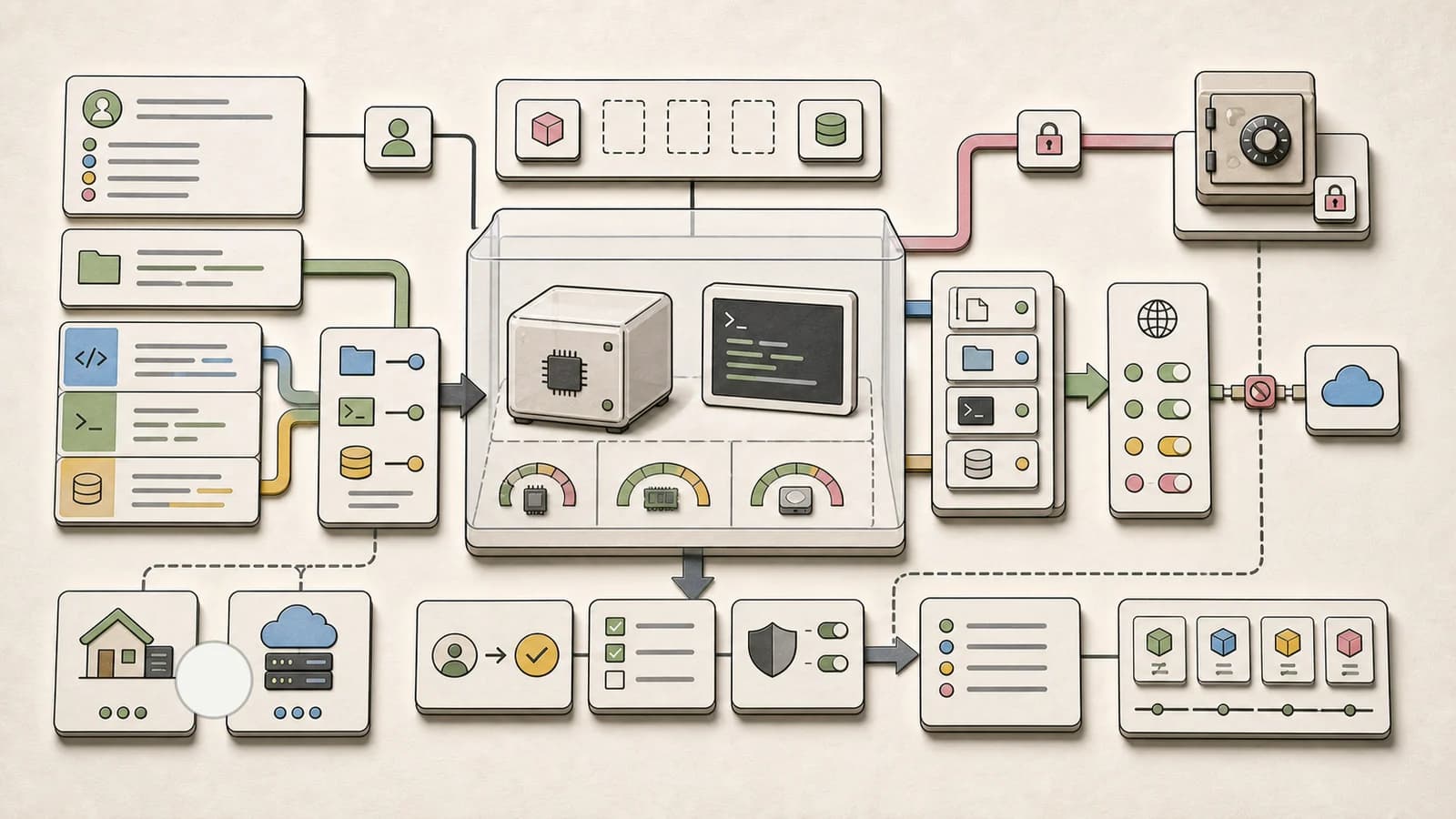
Agent Sandbox Architecture: How to Choose the Right Runtime Boundary
AI agents are getting their own computers. Here is how to choose a sandbox architecture: filesystem isolation, network policy, secrets boundaries, snapshots, and when shell access is overkill.
8 min read
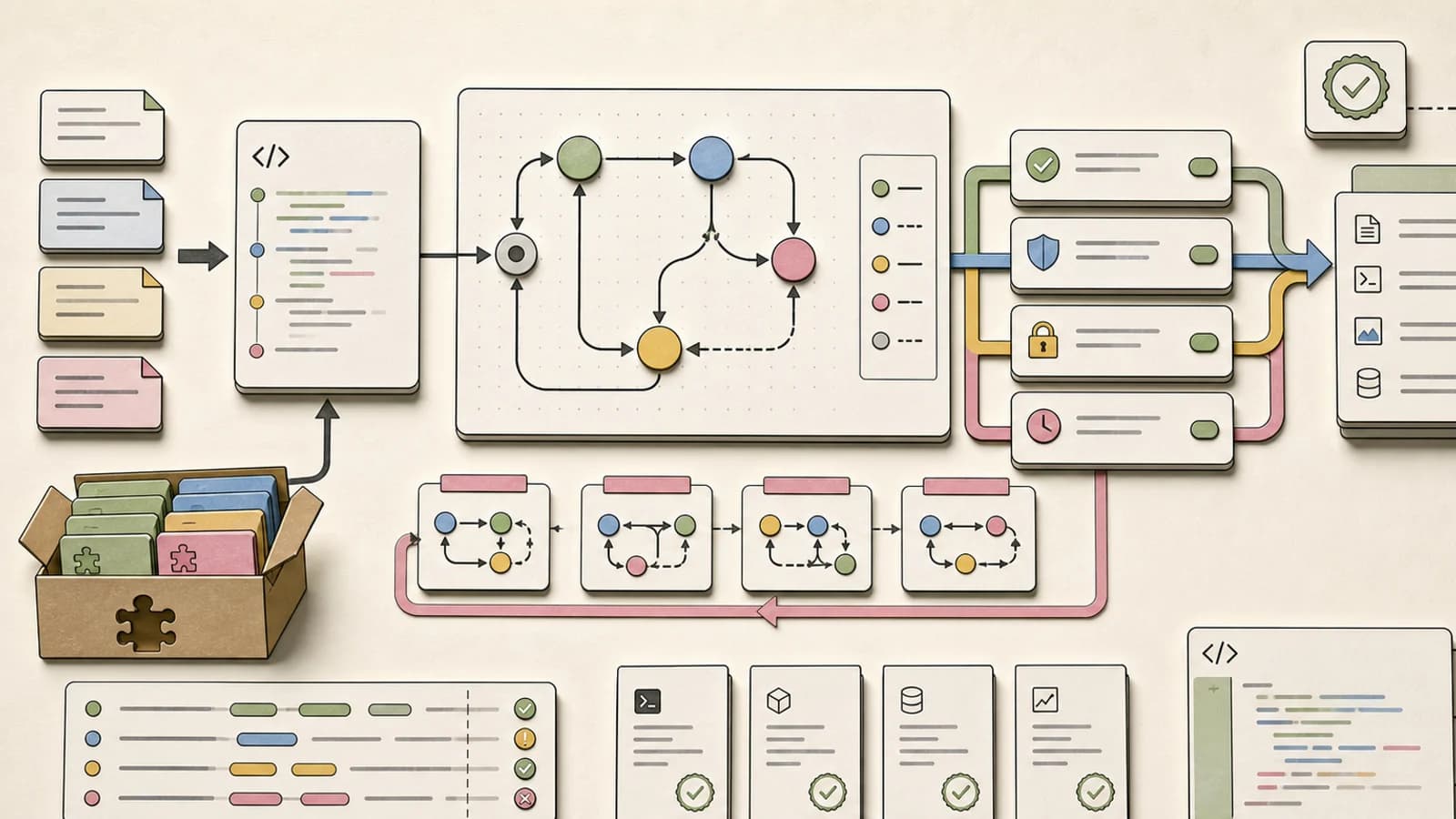
Agent Workflows as Code: Why State Machines Beat Prompt Checklists
Aharness, LangChain's custom harness pattern, and OpenAI's code-first migration all point to the same next step: agent processes need typed gates, validated evidence, and controlled transitions.
8 min read

Do AI Coding Agents Need Their Own Version Control?
Oak is an early bet that AI coding agents need version control shaped around sessions, virtual workspaces, and token budgets. The idea is risky, but the pressure on Git workflows is real.
8 min read
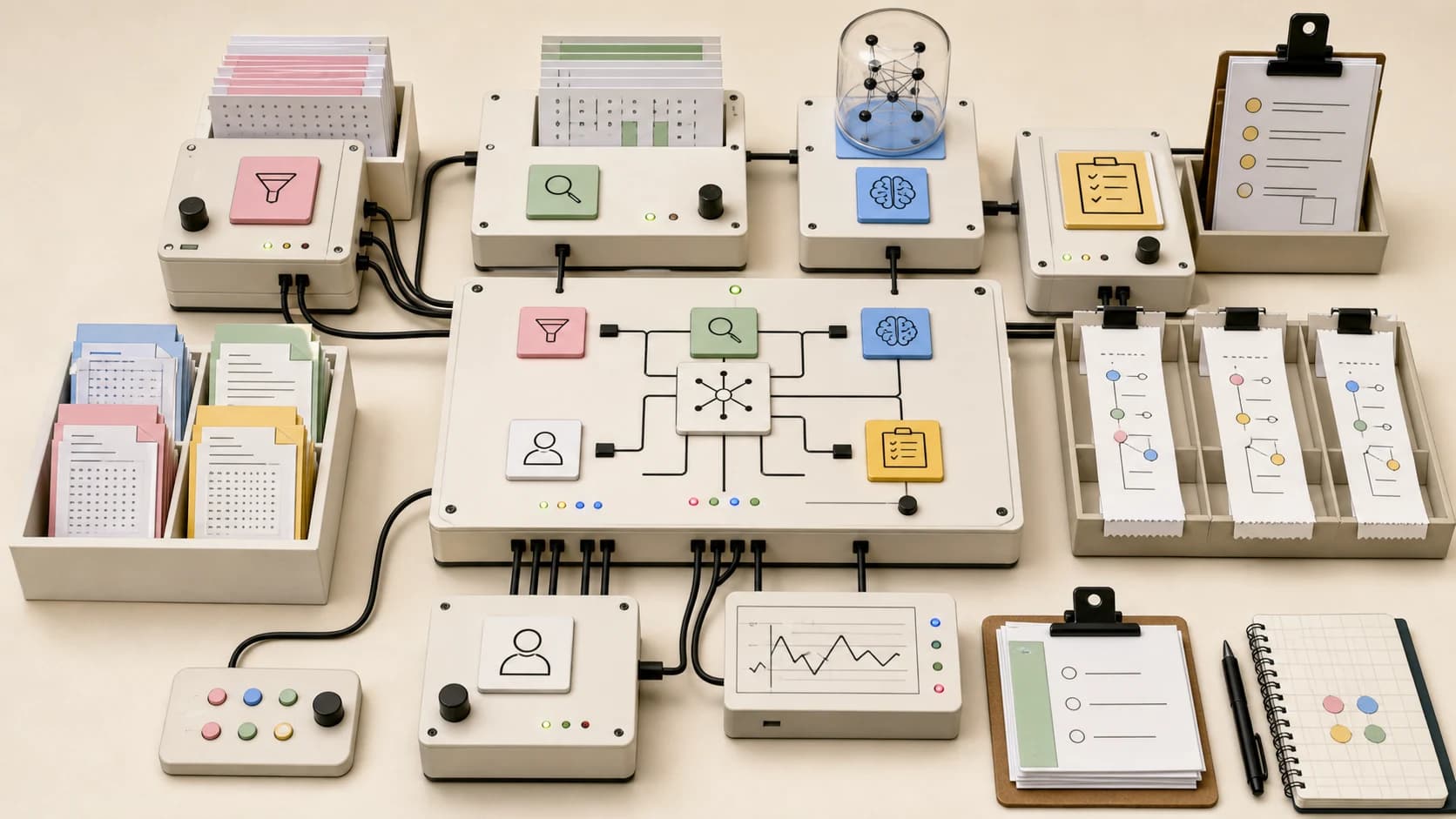
Agentic AI Reliability Is a Systems Problem
The Bayer and Thoughtworks PRINCE case study is a useful reminder that reliable agentic AI comes from context routing, traces, evals, monitoring, and human review, not from a better prompt alone.
7 min read
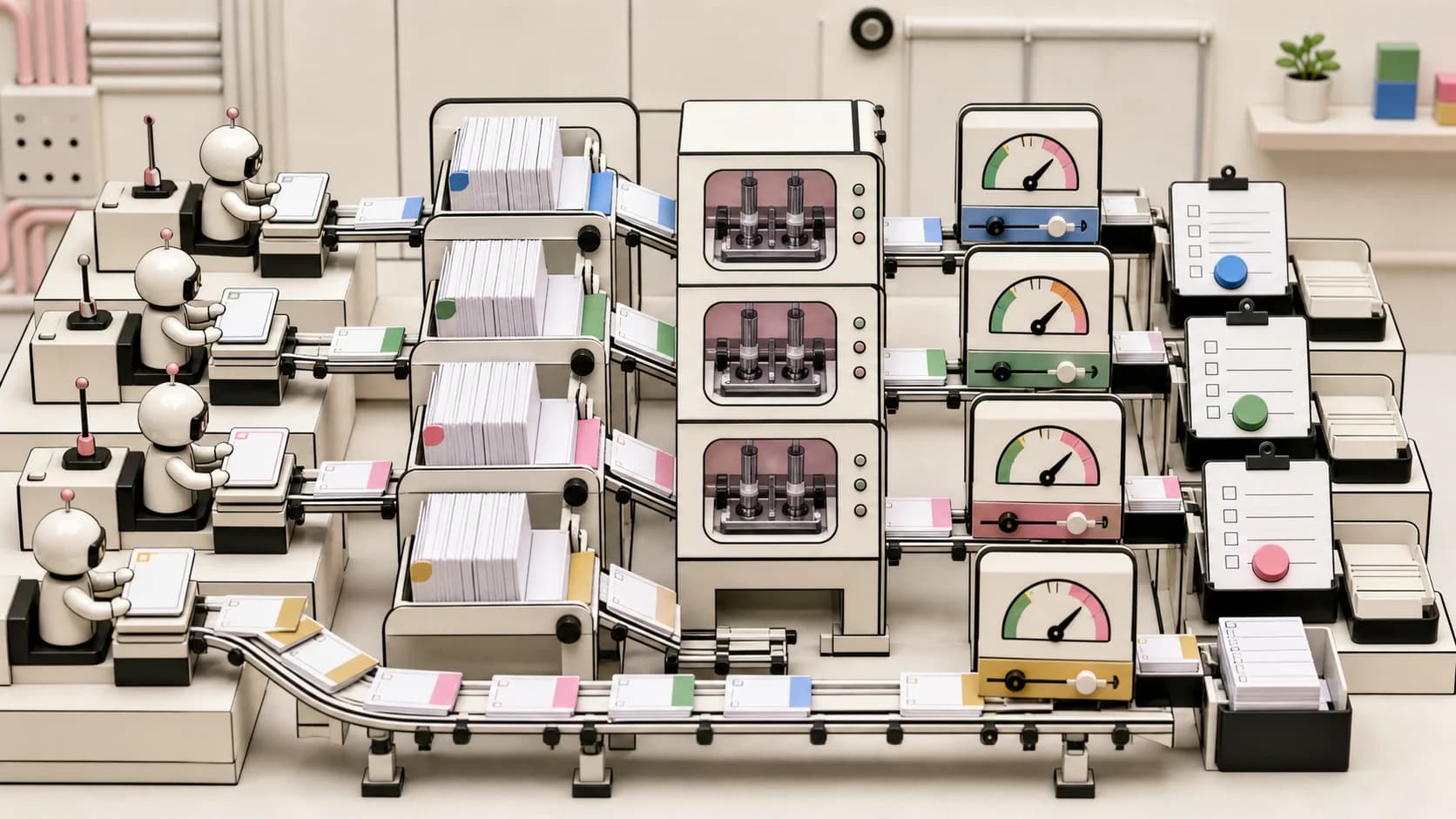
AI Coding Agents Move the Bottleneck to Review Queues
As coding agents get easier to delegate to, the scarce resource shifts from code generation to review capacity, CI minutes, environment reliability, and merge discipline.
8 min read
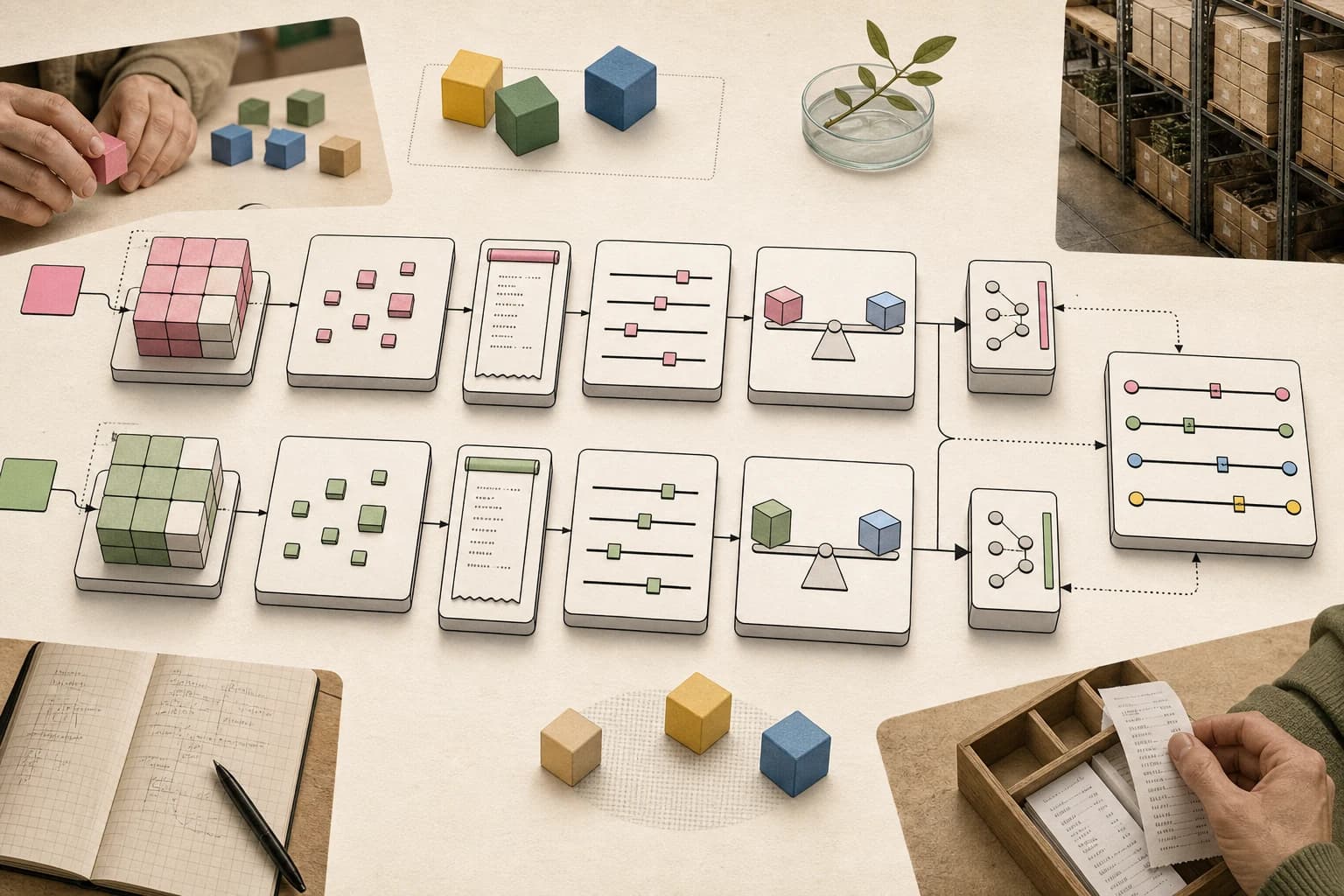
Agent Evals Need Baseline Receipts
Hex's data-agent lab shows the practical eval pattern AI teams should copy: compare candidates against stable baselines, keep receipts, and judge changes by task behavior.
8 min read
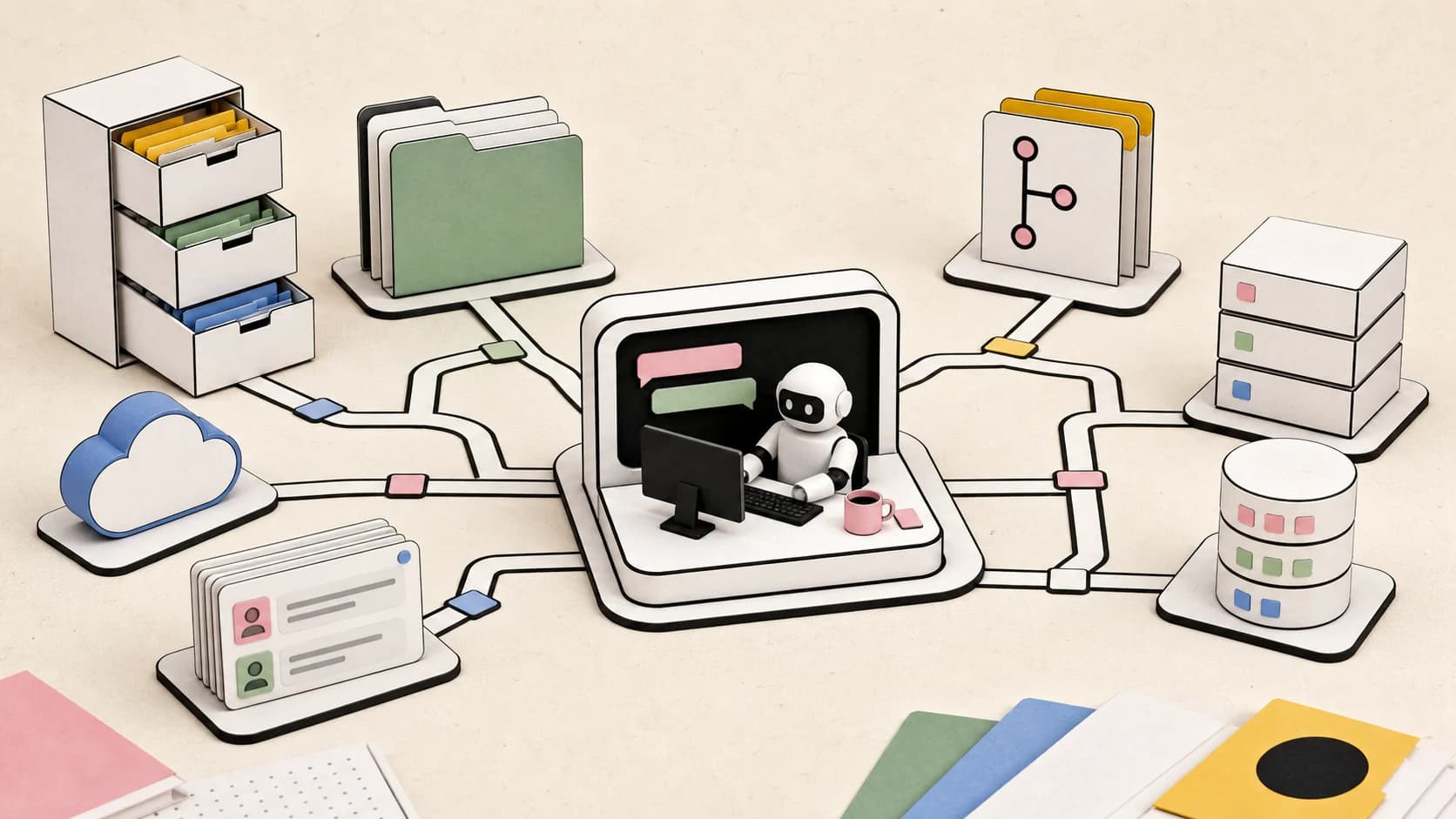
Agent Workspaces Need Filesystem Contracts
GitHub's latest agent workspace trend points at a boring but important primitive: agents need explicit filesystem contracts before they get more tools.
8 min read
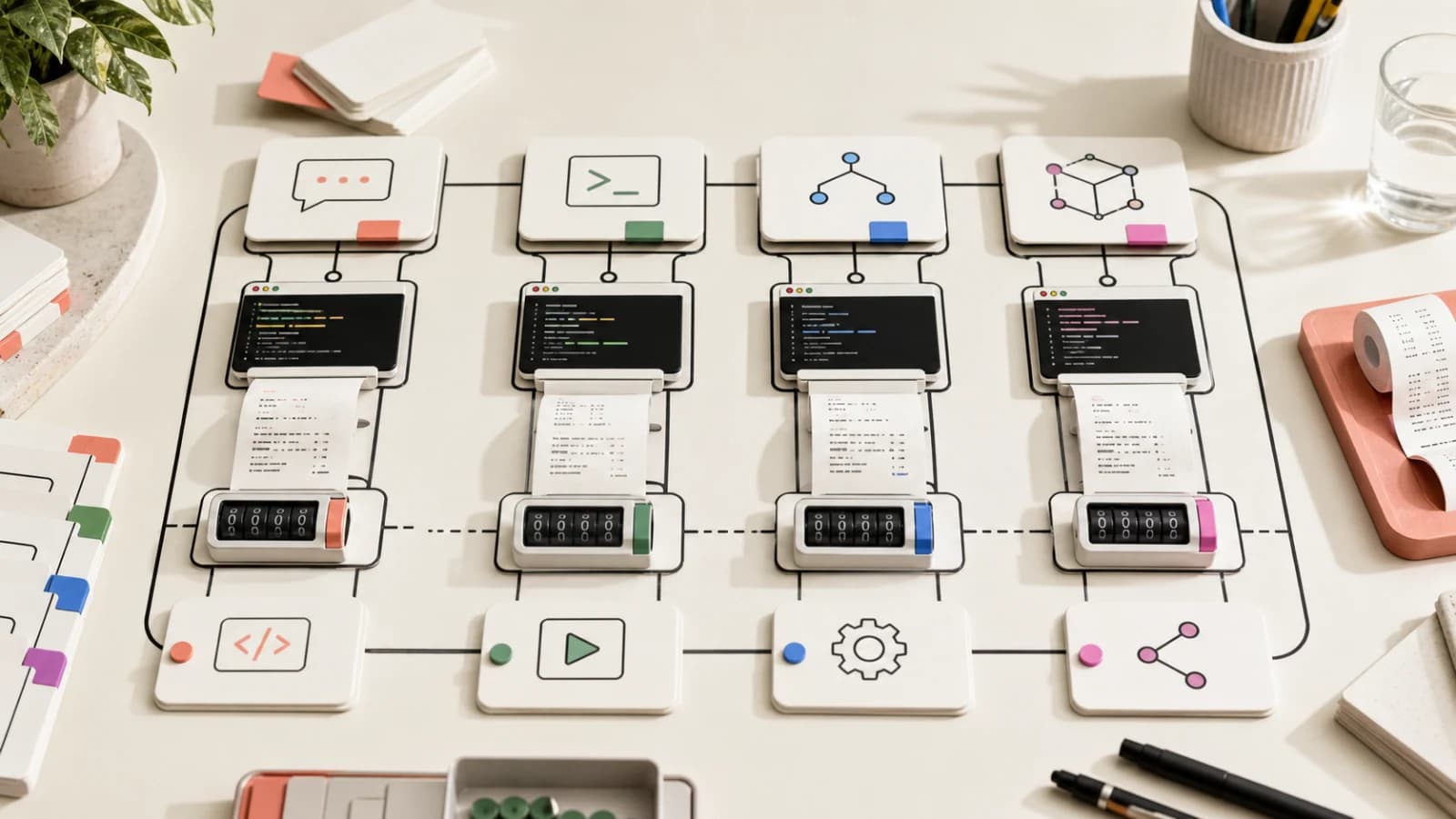
Claude Agent SDK Credits End the Subscription Arbitrage
Anthropic's June 15 Agent SDK credit split is not just a pricing tweak. It is a signal that autonomous coding workflows need separate budgets, lanes, and receipts.
7 min read
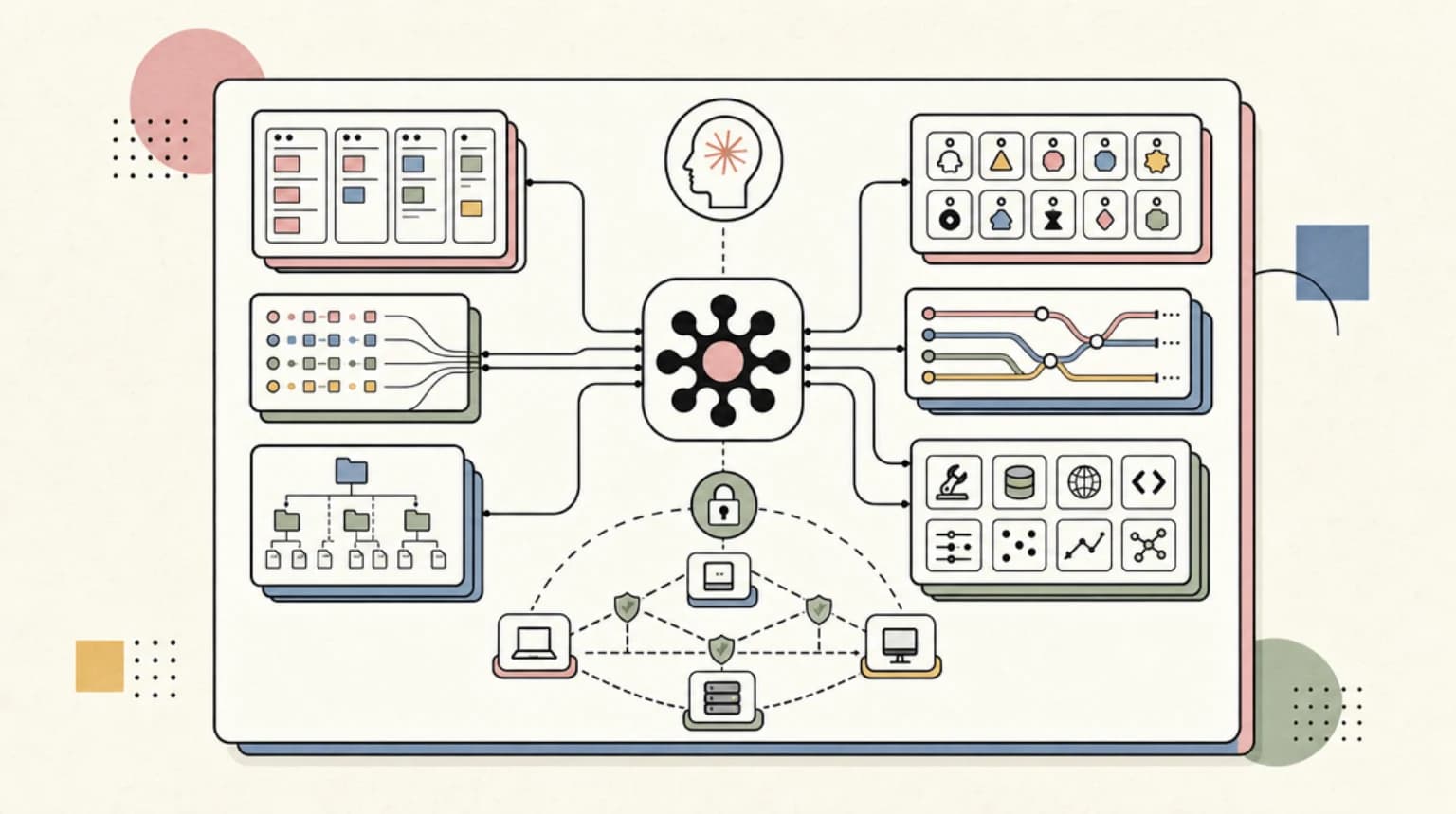
Ruflo Is an Agent Meta-Harness. Treat the Star Count as a Warning Label.
Ruflo turns Claude Code and Codex into a larger agent harness with plugins, memory, swarms, MCP tools, and federation. The useful question is not the star count. It is how much harness you actually need.
8 min read
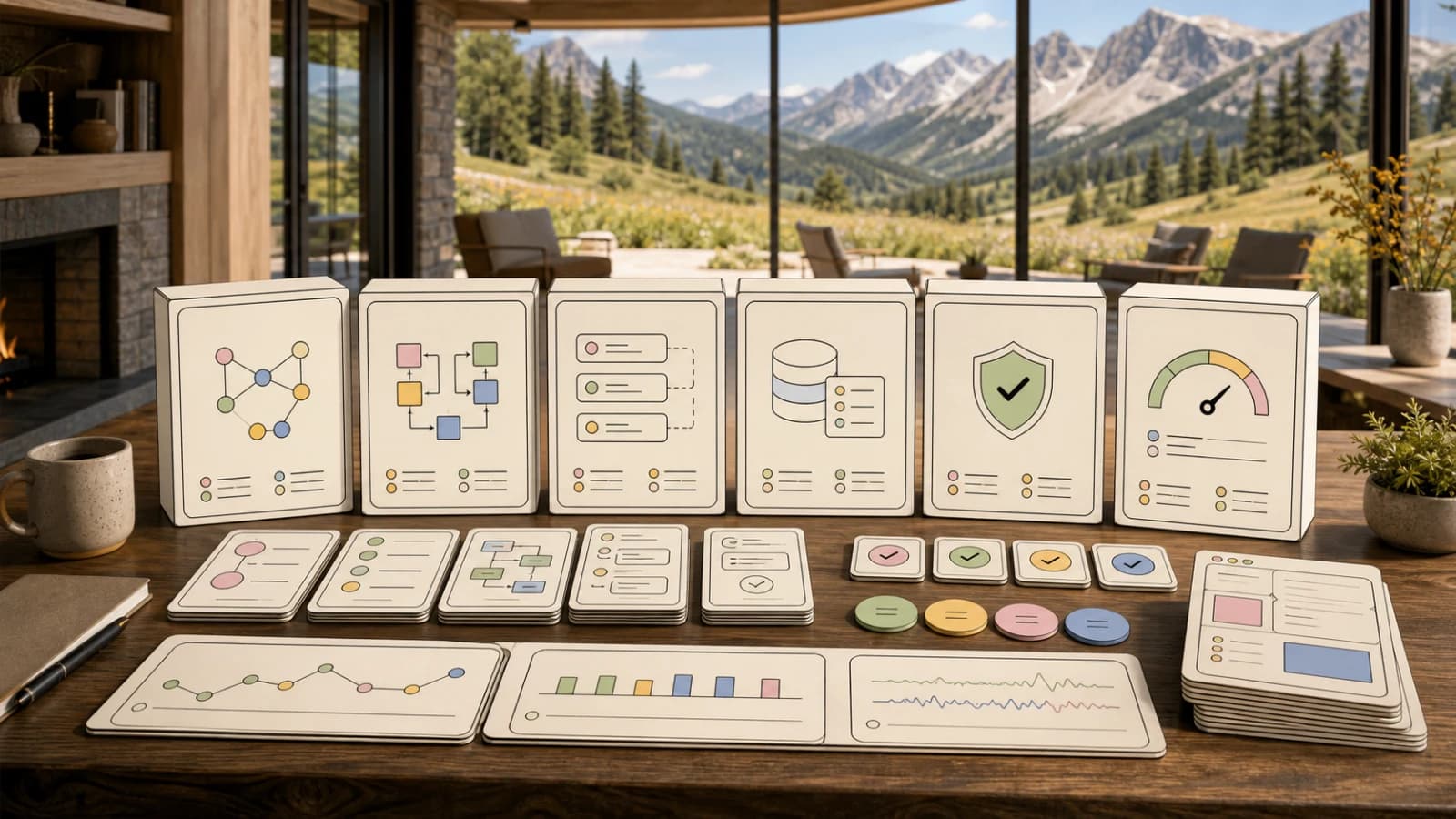
Six Paid Products in a Day: DD's Bet on Agent Infra for Small Teams
DD shipped six paid products in a single day. The thesis is simple: agent infra for small teams. $20 a month each, $50 for the bundle. Here's what we shipped, what's alpha, and what's still being wired.
9 min read
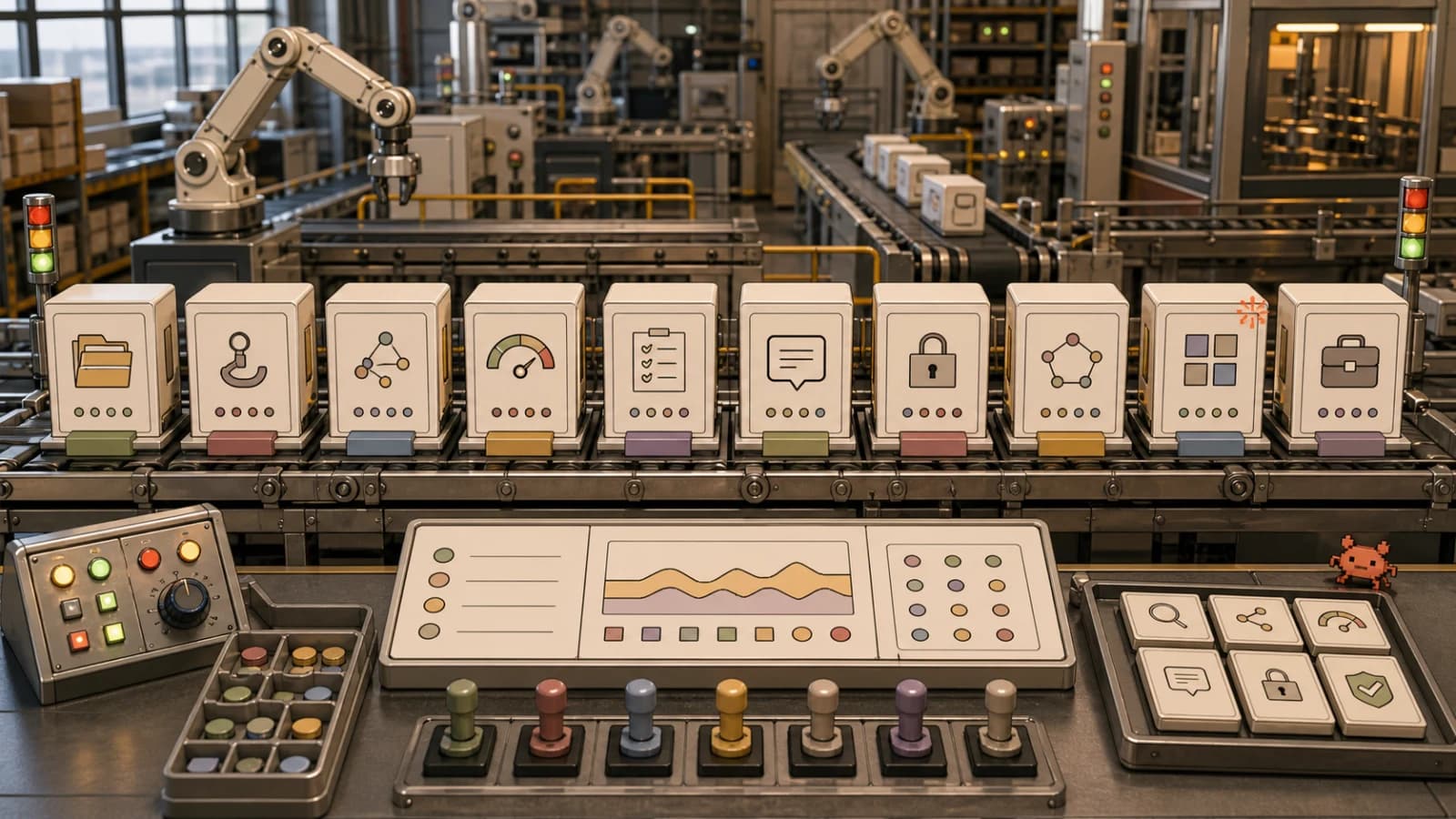
10 Tools We Built for Agent Infrastructure
Ten private tools shipped overnight - observability, skills, hooks, prompts, and evals - aimed at the agent infrastructure gap small teams keep falling into.
11 min read
Keep exploring
More on Agent Infrastructure
- - Tools Directory - dive deeper across the Developers Digest knowledge base
- - All Agent Infrastructure articles in the blog archive
- - Developers Digest on YouTube - video tutorials covering Agent Infrastructure and more
Get Smarter About AI Dev
New tutorials, open-source projects, and deep dives on coding agents - delivered weekly.
One email per weekReal code, not theoryFree forever
Explore 688 topics
Browse All Topics